Advertisement
The psychology of locs: How growing a long-commitment hairstyle changes you
24th June, 2026 07:05 PM

Anyone who has ever grown locs knows it is never just about the hair. It’s a psychological test disguised as a hairstyle.
From the moment you decide to let nature take over, you sign up for a long-term commitment that challenges how you view yourself and how the world treats you.
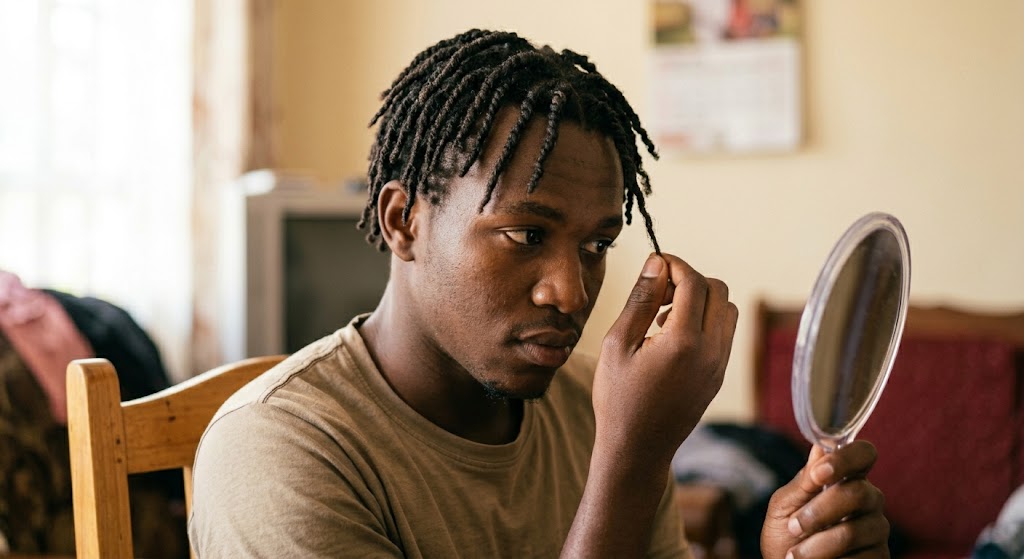
The real transformation does not happen on your scalp; it happens in your mind, especially when navigating the messy “baby locs” phase while your hair is still figuring itself out.
The waiting process
Starting a loc journey forces you to look at how you view your own beauty and worth. While most hairstyles give you a fresh look in just a few hours, locs make you wait for months or even years before the strands finally lock together.
This slow pace changes how you look at yourself in the mirror every day, helping you build a deeper level of self-acceptance.
In a study on how natural hair connects to mental well-being, clinical psychologist Dr Afiya Mbilishaka explains that “hair represents a complex language system for Black folks” and works as “an external and visual cue of how someone approaches self-care and the negotiation of their cultural lens of self-expression.”
The research simply shows that choosing your natural hair texture builds real internal confidence. The patience you need for this journey teaches you to be resilient, helping you love your look through every awkward transition.
Handling the side-eye
Even though you see beautiful locs all over Kenya today, people still face unique forms of social scrutiny for wearing them. Whether you are walking into a corporate boardroom, a school compound, or a family gathering, someone might still look at your hair and make wrong assumptions about your lifestyle, professionalism, or character.
These daily pressures carry a lot of emotional and psychological weight for people of African heritage.
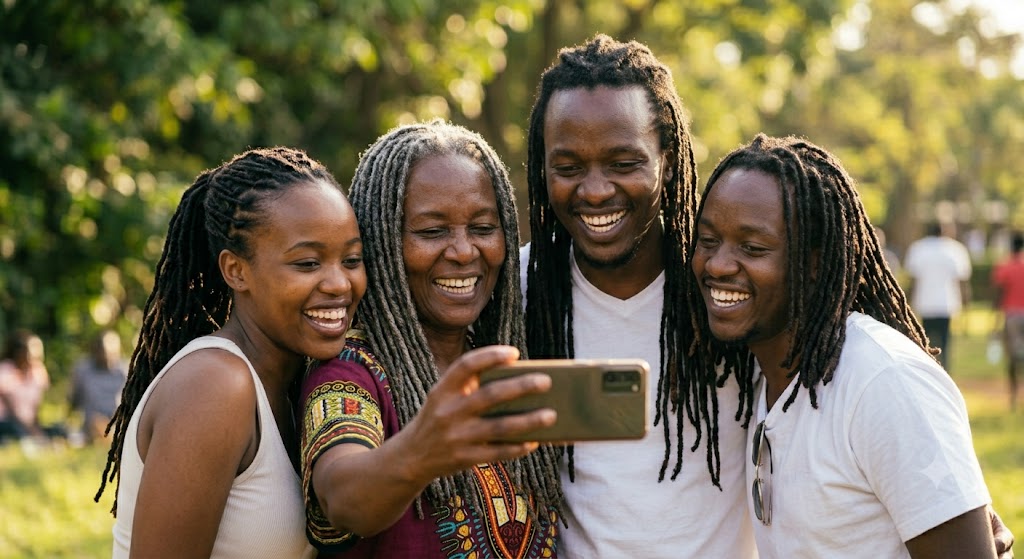
According to a peer-reviewed paper titled Don’t Get It Twisted: Untangling the Psychology of Hair Discrimination Within Black Communities, “systems of oppression have shaped the prejudicial treatment of Black people based on the appearance of their hair.”
The study connects modern hair bias directly to old Eurocentric rules. Staying true to your locs despite this outside judgment turns your hair into a true symbol of personal pride.
In the end, you stop waiting for other people to validate your looks, and you start defining beauty entirely on your own terms.