Trump fears midterm backlash as Democrats eye major 2026 victories
By CNN, November 3, 2025Even as Tuesday’s elections hang in the balance, President Donald Trump has bluntly suggested that he is already looking ahead to the 2026 midterm races with a sense of dread.
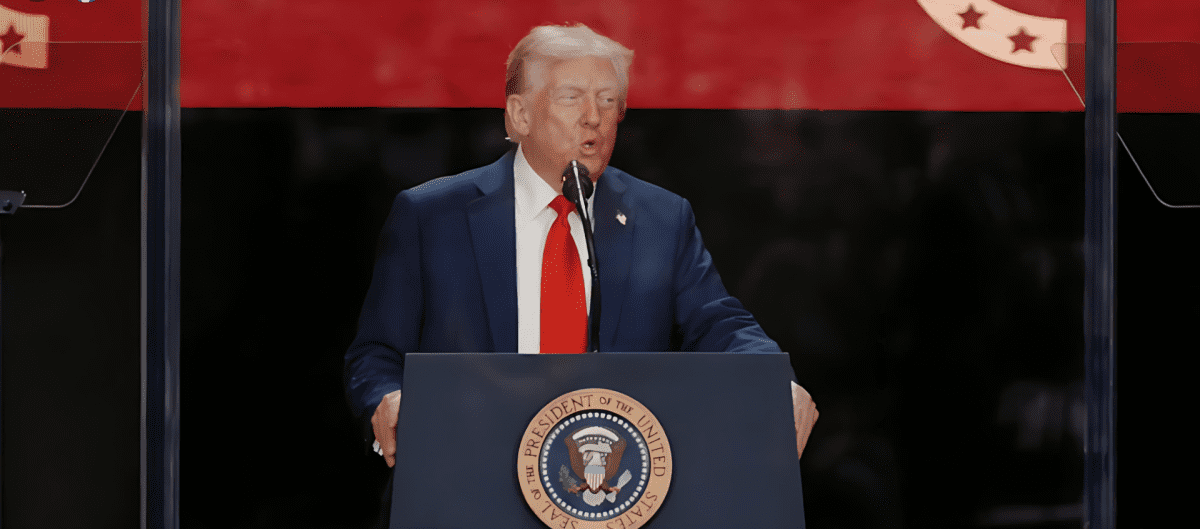
“We’ve had success like nobody, but for some reason, you lose the midterms,” Trump said late last month at the White House, reflecting aloud on the political backlash that most presidents face during midterm elections. “I don’t know why. It doesn’t make sense.”
A year after winning back the White House, the first major electoral test of Trump’s second term is taking shape in key elections on Tuesday, when Virginia and New Jersey will elect governors, California will vote on a pivotal ballot measure to redraw its congressional maps, and New York City will choose its next mayor.
It is a chance for some voters to deliver a verdict on the actions of the new Trump administration. While hardly a perfect indicator, the results could offer clues about the political climate heading into next year’s elections, when voters will determine control of Congress for the remainder of Trump’s presidency.

“We have to win the midterms,” Trump said as he addressed Senate Republicans during a lunch in the Rose Garden. “Otherwise, all the things that we’ve done, so many of them, are going to be taken away by the radical left lunatics. I mean, we’re going to end up with a communist mayor in New York. Can you believe it?”
As Trump has repeatedly made clear, the race for New York City mayor has been on his mind far more than any of the other contests being decided on Tuesday. He frequently criticises the positions of Zohran Mamdani, a self-proclaimed democratic socialist who is well on his way to becoming the newest target for Republicans as Democrats seek to rebuild their party.
The president has followed the other contests to varying degrees, aides say, asking for more updates in recent days and directing some campaign funds to help voter turnout efforts. He fully endorsed Jack Ciattarelli, the Republican gubernatorial nominee in New Jersey, but stopped short of doing the same in Virginia, where Lieutenant Governor Winsome Earle-Sears, the GOP candidate, is seen as less competitive.
“People like me there,” Trump said of New Jersey, a state where he owns golf courses and spends considerable time during the summer. “It’s typically not Republican, but turning Republican very quickly.”
That assessment will be tested in the contest between Ciattarelli and Democrat Mikie Sherrill.
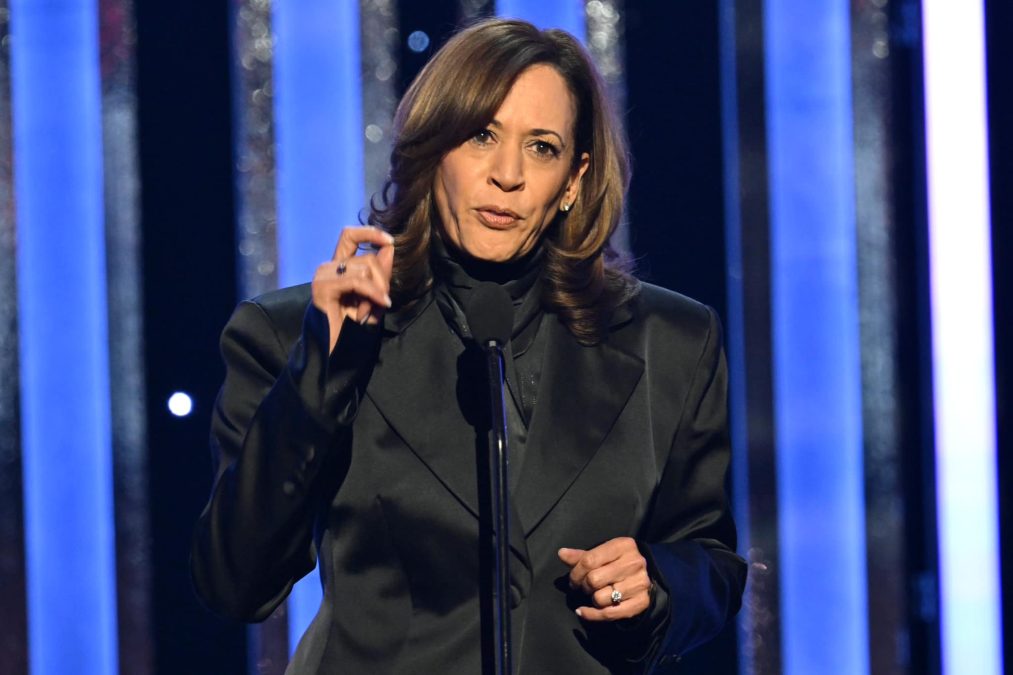
Trump made significant gains in New Jersey last autumn — losing by six points to Kamala Harris, compared with a resounding 16-point defeat to Joe Biden in 2020 — but Democrats still hold considerable structural advantages, including a voter registration edge over Republicans of more than 800,000.
In Virginia, a government shutdown entering its second month weighs heavily on the election, with hundreds of thousands of federal workers, active-duty military and government contractors living in the state. Trump also made gains in Virginia in 2024 but still fell short of Harris by six points.
Former Representative Abigail Spanberger, a Democrat, has maintained a consistent lead over Earle-Sears, which is among the reasons Trump’s aides say he has not become more directly involved. He called into a tele-rally on Thursday night in hopes of boosting turnout for the Republican ticket. He is scheduled to give a final push on Monday night from the Oval Office when he holds a telephone pep rally in Virginia and New Jersey to energise GOP voters.
In the final days of the campaign, Trump spent the weekend at his Mar-a-Lago resort in Florida — far from both states. Former President Barack Obama visited Virginia and New Jersey to rally the Democratic base and highlight the stakes of the elections.
“Let’s face it, our country and our politics are in a pretty dark place right now,” Obama said on Saturday night in Newark. “Every day this White House offers up a fresh batch of lawlessness, carelessness, mean-spiritedness and just plain old craziness.”
The Trump Effect
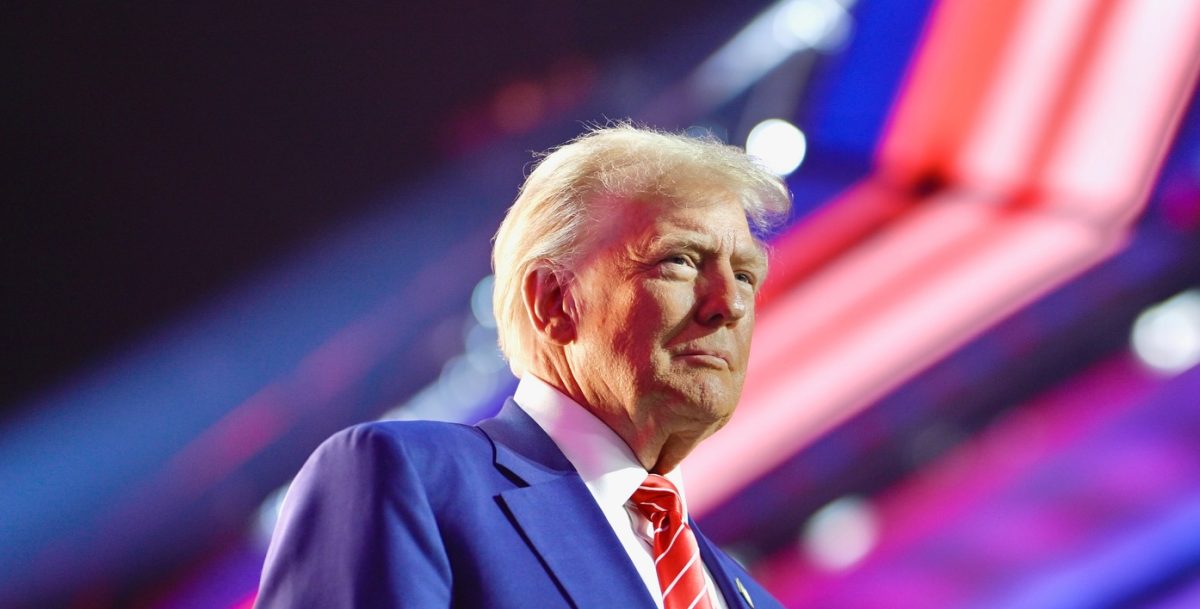
If Democrats win their races in Virginia and New Jersey, the outcome could offer a window into some of the headwinds facing Trump and Republicans heading into next year’s elections. Yet if Republicans win — or deliver a split verdict — it may suggest that Democrats have misjudged how much of a liability Trump could be for his party.
“If you get a flat tyre on the way home today, she’s going to blame President Trump,” Ciattarelli tells supporters of Sherrill at nearly every campaign stop, hoping to mock Democratic finger-pointing at Trump. “There’s nothing she won’t blame on the president.”
Democrats are seeking to ride an early wave of voter discontent, hoping to deal a political setback to Trump a year after his historic return to power. In his first term, Democrats won the races for governor in Virginia and New Jersey in 2017 before going on to take control of the House the following year in a sweeping victory.
The White House is working hard to avoid a repeat of that scenario.
That is the driving force behind a redistricting arms race playing out across the country. After Texas drew new congressional lines that could add up to five Republican seats in the House, California responded with a ballot initiative to redraw districts to favour Democrats.
North Carolina and Missouri have already followed the president’s call to squeeze more Republican seats by redrawing congressional districts, while efforts are underway to do the same in other GOP-led states such as Indiana and Kansas, where political and procedural obstacles remain. Democrats in Virginia approved a proposed constitutional amendment on Friday to pursue similar changes, while some party leaders in Illinois are exploring potential alterations to their state’s map.
It is an unprecedented mid-decade gerrymandering effort akin to changing the rules in the middle of the game — that started with an order from the Oval Office. Trump still fumes about the investigations and impeachment proceedings that played out during the second half of his first term after Democrats won control of the House.
“The president is obsessively focused on the midterms,” a senior Trump adviser told CNN, speaking on the condition of anonymity to discuss internal discussions. “He remembers what happened the first time he was in office.”
Trump’s name, of course, is not actually on Tuesday’s ballot. If it were, Republican strategists say they would feel far more confident about rebuilding a Trump coalition that could provide a stronger path to victory.
He figures prominently in the strategies of both sides.
Democrats are counting on disdain for the president and opposition to his policies to help energise and unify their base. Republicans are working overtime to motivate those who support Trump, paying extra attention to voters with inconsistent attendance records in off-year elections.
“We have to send a message to Washington,” said Neil Wintfeld, a Virginia Democratic voter who attended a Spanberger rally in Alexandria during the closing days of the race. “President Trump generates a lot of negative enthusiasm and motivates people to react to the destruction he is visiting upon our institutions.”
Sharon Cox, a Republican who voted for Trump in each of his three presidential bids, said she was tired of politicians of all stripes invoking the president’s name in every election.
“Everything’s about Trump, it seems,” Cox said after casting an early ballot in Hampton, Virginia. “I know everybody’s not going to like Trump. I know everybody’s not going to like someone on the Democratic side, but the hate has to go before our country can move forward.”
While the lessons of these elections can be overstated, there is little doubt that the results in Virginia and New Jersey will be analysed — at least in part — through a Trump-coloured lens, given how he is already laser-focused on the 2026 midterm elections.
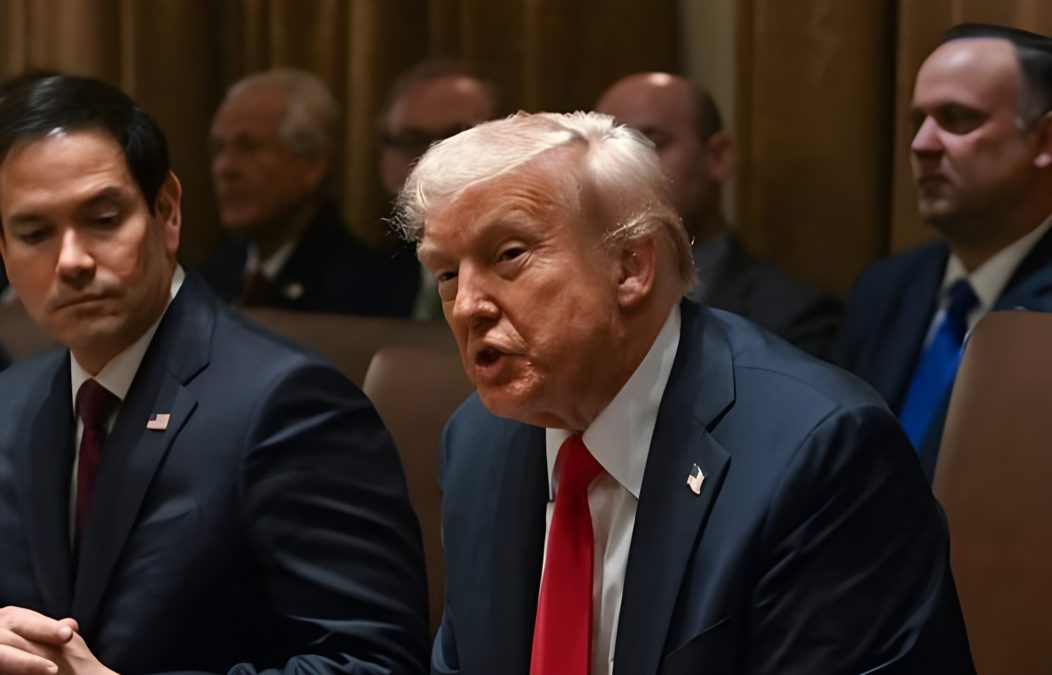
“If you have a great presidency, it only makes sense that you win the midterms,” Trump said in his Rose Garden remarks, expressing his bafflement that only twice in nearly a century has the president’s party not lost House seats in a midterm election.
“There might be some dark, deep psychological reason why they want to vote the opposite way. I don’t know what it is.”