Advertisement
Revealed: Where uninsured drivers are most common
10th November, 2025 08:46 AM
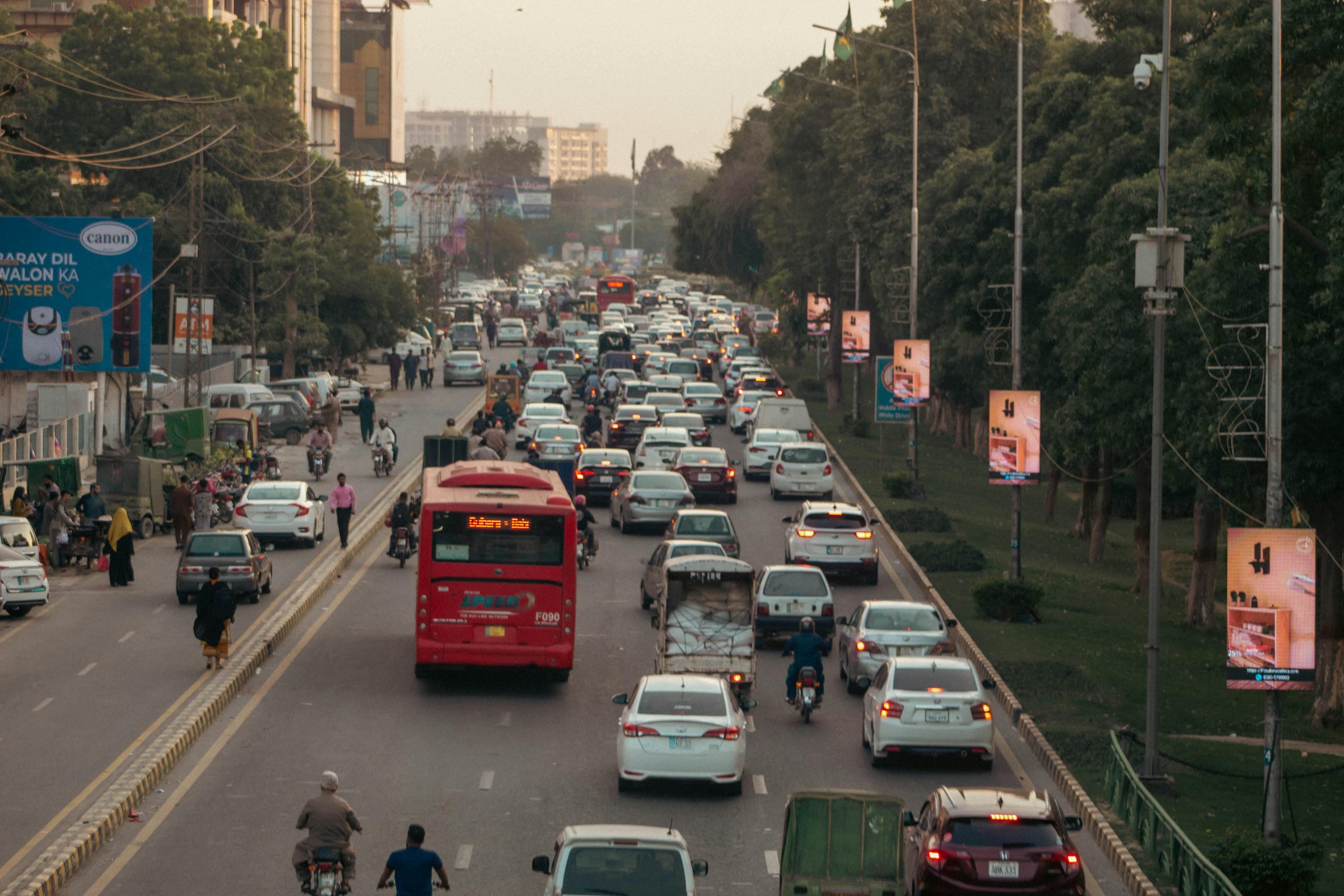
The worst offending areas for uninsured driving in the UK have been revealed – as a hit-and-run victim described how he was “left for dead” with catastrophic injuries.
Every 20 minutes, someone in the UK is hit by an uninsured or hit-and-run driver, the Motor Insurers’ Bureau (MIB) said, based on claims from over 26,000 victims each year.
Every day, at least one person is so seriously injured by an uninsured or hit-and-run driver that they need life-long care, and every week, at least one person is killed by an uninsured driver, according to the bureau.
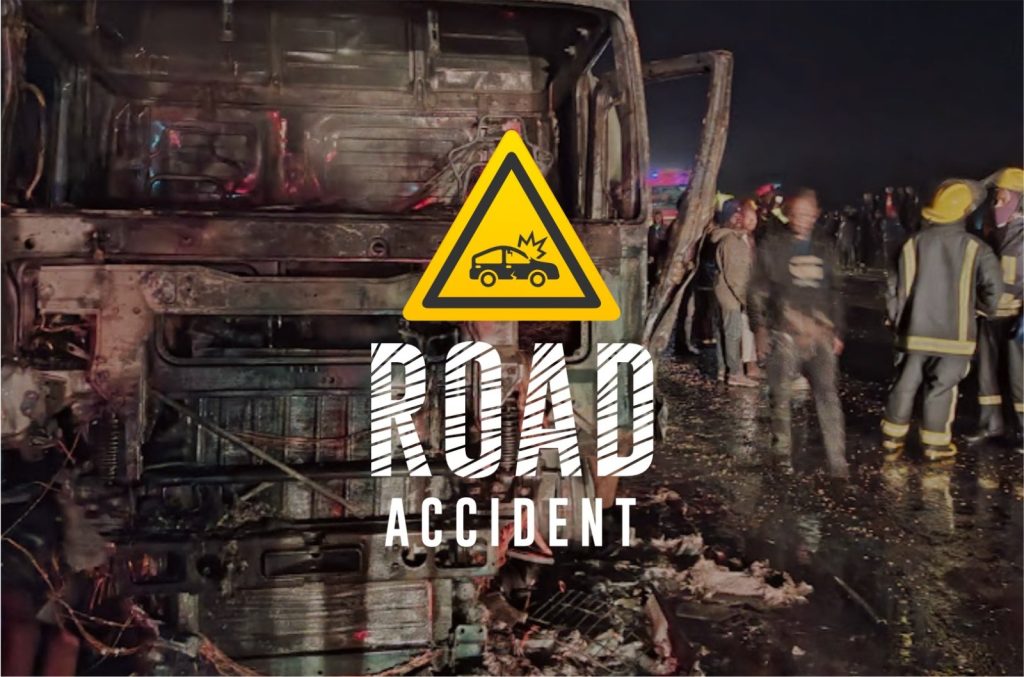
Thurrock in Essex is the worst offending area for uninsured driving, according to claim data from the MIB, a non-profit organisation created to protect people from the impact of uninsured and hit-and-run drivers.
Four different postal areas in Birmingham are among the 15 hotspots highlighted by the MIB, with areas in Peterborough, Manchester, Belfast, and Havering also named due to housing a large number of defendants per 1,000 residents.
The 15 worst postal areas for uninsured driving have been revealed, with Thurrock (RM19), several Birmingham postcodes, and Peterborough (PE1) topping the list. Other hotspots include Manchester (M18), Belfast (BT17), and Luton (LU1), highlighting areas where drivers are most at risk of being uninsured.
One of the victims of an uninsured driver is cyclist Cahal O’Reilly, 55, who was five miles from the ferryport in Holyhead, Wales, when he was hit from behind in September 2021.
He was thrown onto the windscreen and 20m through the air until he landed on the side of the road, seriously injured.
The uninsured driver, who police estimate was driving at 70mph, fled the scene.
Left for dead
“I was left for dead, bleeding to death on the side of the road,” Mr O’Reilly told Sky News.
“Nobody knows how long I was on the floor for. When I came to my senses, I could taste my own blood and feel the road on my cheek.”
He realised he was “pretty seriously injured” when he could not move his ankles, and lay still until help arrived.
A passing motorist, who initially thought O’Reilly’s lifeless form was debris before realising it was a body, called the emergency services.

O’Reilly was left with serious injuries, including a broken back and neck, shattered pelvis, smashed bone in his leg, and dislocated shoulder, and required several surgeries in the days after the crash.
I suffered a polytrauma, which is multiple horrendous injuries,” O’Reilly said. “The police said if I hadn’t been wearing a helmet, I would be dead, and officers didn’t think I would make it.
“The hospital consultant told my wife that most people don’t survive the impact, the time until the ambulance arrives, and 22 hours of operations in 48 hours.”
Doctors had to use rods to reconnect O’Reilly’s knee and ankle on his right leg, as the bottom of his foot “was just hanging on by skin and muscle”, and use an arterial skin graft from his left arm to help patch up the damage to his smashed leg.