Advertisement
Omtatah slams SHIF for prioritising money over healthcare
23rd July, 2025 02:12 AM
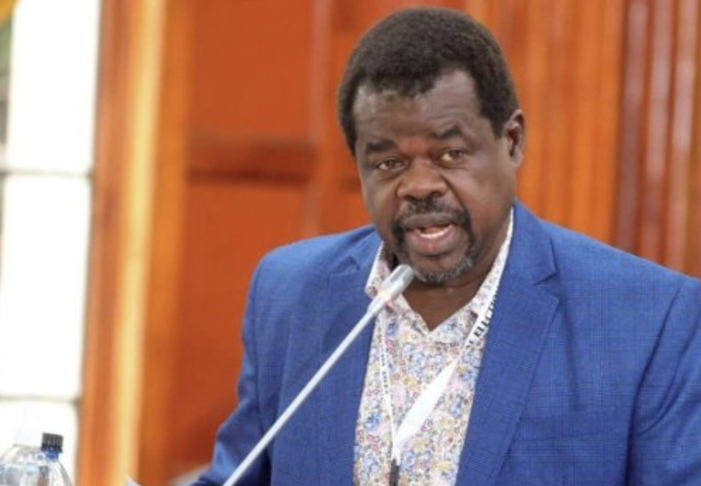
Busia Senator Okiya Omtatah has criticised the Social Health Authority (SHA), accusing it of focusing more on collecting money than providing quality healthcare to Kenyans.
In a statement posted on his X account on Wednesday, July 23, 2025, Omtatah said the current setup of the Social Health Insurance Fund (SHIF) appears to be exploitative, especially towards the poor.
“It is very disheartening that we have reduced the health of our people to a mechanism for extracting money from the poorest of the poor,” Omtatah wrote.
He argued that if the government was genuinely committed to achieving universal healthcare, it would have first prioritised improving public hospitals.
“If the intention was truly to achieve universal healthcare, the first step would have been to fix public hospitals. That has not been done. Instead, people are being forced to pay annual contributions even when they cannot do so,” Omtatah said
The Senator added that the SHIF system seems to care more about revenue than the well-being of Kenyans.
“People should be allowed to contribute based on their ability. The SHIF arrangement is coming across as an extortion mechanism, which is why there is such a strong focus on collecting as much money as possible, regardless of people’s realities,” he said.
SHA challenges
According to official figures from the Ministry of Health, as of February 12, 2025, a total of 19,340,978 Kenyans had registered under the SHA. Counties such as Mombasa, Elgeyo Marakwet, and Bomet recorded the highest registration numbers, with over 40 per cent coverage. However, marginalised counties like Turkana, West Pokot, Garissa, and Samburu still lag.
While the overall registration seems impressive, the number of people actively contributing to SHIF tells a different story. Only about 3.3 million Kenyans are currently making regular contributions. Most of those not contributing are informal sector workers who earn irregular incomes and find it hard to keep up with payments.
Due to the low number of active contributors, many hospitals are facing delays in receiving funds. As a result, patients are being forced to pay out of pocket for essential treatments, defeating the purpose of universal healthcare coverage.
Health workers, clinical officers, and members of the public have also raised several issues, including overlapping roles between the SHA and the now-defunct National Health Insurance Fund (NHIF). Others have complained about unclear guidelines and poor communication from authorities, which has left many Kenyans confused about how the new system works.