Njeri Wa Migwi speaks out on emotional toll of fighting femicide
By Paulette Mboga, September 10, 2025Every day, activists in Kenya confront the harsh realities of gender-based violence (GBV). But for Njeri Wa Migwi, founder of Usikimye—a trauma-informed, survivor-centred GBV organisation—the emotional burden is far heavier than most people realise.
Speaking in a YouTube interview on Wednesday, September 10, 2025, Wa Migwi revealed one of the most disturbing aspects of her work: the unsolicited sharing of graphic content.
“Most of the time, nobody even asks for permission before sending a picture of a dead body,” she said.
For her and her team, this constant exposure to traumatic images is more than overwhelming—it’s emotionally draining.
While many believe that activists are endlessly resilient, Wa Migwi paints a different picture.
Also watch: CS Murkomen raises alarm over rising femicide and GBV
“We need a break. We need a break, uhm…because this country just extracts and never gives back,” she confessed.
The weight of dealing with femicide, harassment, and violence day in and day out takes a toll on even the strongest of advocates.
The hidden cost of advocacy
Wa Migwi stresses that empathy is the backbone of her work.
“If I ever stop feeling, I am stopping this work. But you have to feel. These women matter.” It is this deep connection to survivors’ pain that fuels her determination—but it also leaves her vulnerable to burnout.
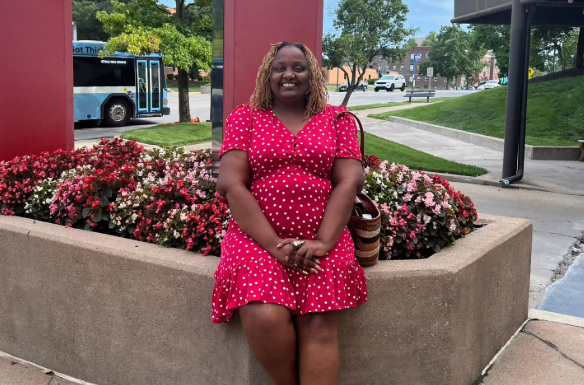
CBD
She draws attention to how unsafe public spaces are for women in Kenya.
“If I sit here and ask the women about the CBD today, do you feel safe? Is it just regular uchokozi or sexual harassment? Why is it okay for you to pass and someone to slap your butt? This is before I even start talking about other crimes.”
These everyday violations, she explains, are a symptom of a larger, unchecked culture of violence against women. Yet as she and her team respond to crisis after crisis, they are left with little time to process the trauma they witness.
Despite exhaustion, Wa Migwi remains committed to her mission. She admits that her team at Usikimye is burnt out, but quitting is not an option. For her, the lives of survivors and the memory of women lost to femicide are too important to ignore.