Murkomen defends deployment of plainclothes and masked officers during protests
By Nancy Marende, September 16, 2025Interior Cabinet Secretary (CS) Kipchumba Murkomen has defended the government’s decision to deploy plainclothes and masked police officers during protests and other sensitive operations, saying the move is aimed at safeguarding the lives of law enforcement personnel.
Speaking to a local TV station on Tuesday, September 15, 2025, Murkomen emphasised that not all police officers are required to wear uniforms while on duty, particularly those attached to specialised units such as the Directorate of Criminal Investigations (DCI).
Also Watch: Murkomen Defends CDF Kahariri, Warns Youth Against Social Media Misuse
He noted that in volatile situations, including demonstrations, plainclothes officers play a critical role in intelligence gathering and operational efficiency.
“We will not allow our police officers to put their lives in danger by wearing a uniform when they shouldn’t be wearing a uniform,” Murkomen said.
“Even in protests, DCI are automatically in plain clothes. If it is necessary for them to be masked to protect themselves, then they should.”
Plainclothes officers deployment
His remarks come months after the High Court ruled that all police officers deployed to manage public assemblies, demonstrations, or picketing must be in uniform and clearly identifiable, stating they must not cover their faces or wear plain clothes.
Also Watch: Witness tells Rex Masai inquest: No goons, only police fired live rounds at protestors
Justice Bahati Mwamuye issued the order in a case filed by the Law Society of Kenya (LSK) on April 30, 2025, which had petitioned the court following the killing of Rex Masai during a protest.
The LSK claimed the officer responsible for Masai’s death was in civilian clothing and could not be identified at the scene.
The legal body argued that incidents of police brutality and unlawful killings were often linked to officers operating without uniforms or any form of identification.
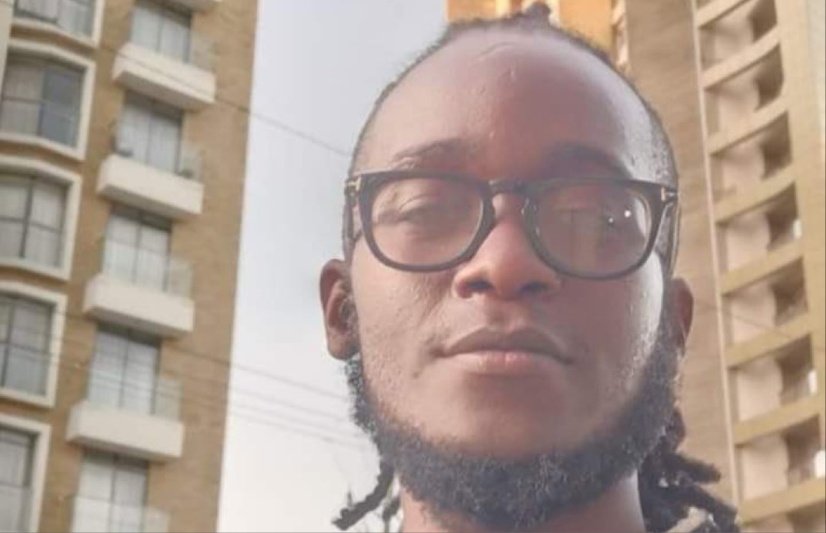
The court heard that such officers often blend in with peaceful protestors exercising their constitutional rights under Article 37, making it impossible to hold them accountable for any wrongdoing.
Additionally, these officers reportedly carry no identification documents, further frustrating efforts to trace or prosecute them.
The LSK specifically named and sued Officer Isaiah Ndumba Murangiti, alleging that he was responsible for the fatal shooting of Rex Masai.
In his ruling, Justice Mwamuye emphasised the importance of transparency, accountability, and the public’s right to identify law enforcement officers during the exercise of state power, particularly during public demonstrations.