Advertisement
Munyakho recounts emotional events leading to his 14 years on death row
31st July, 2025 03:21 PM
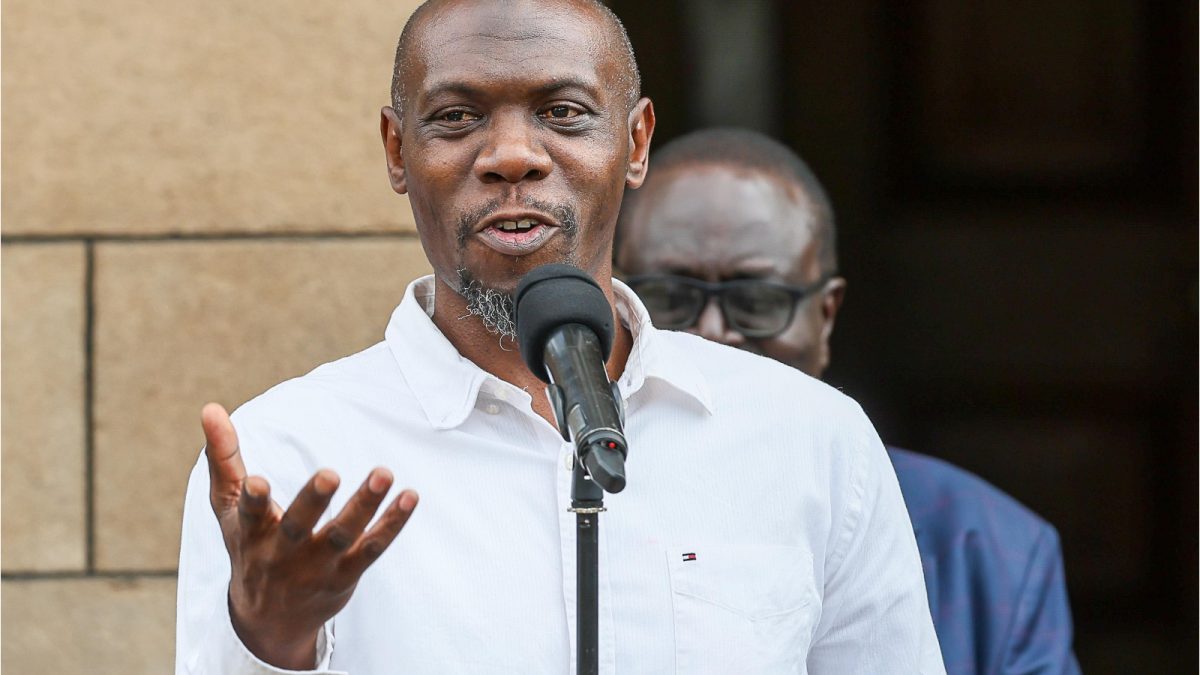
After more than a decade on Saudi Arabia’s death row, Kenyan national Stephen Munyakho has finally broken his silence, describing the 2011 fatal altercation that led to his imprisonment in Saudi Arabia as unintentional.
In an emotional account, Munyakho revealed the series of events that spiralled into his arrest, trial, and prolonged detention, shedding light on the harsh realities many migrant workers face abroad.
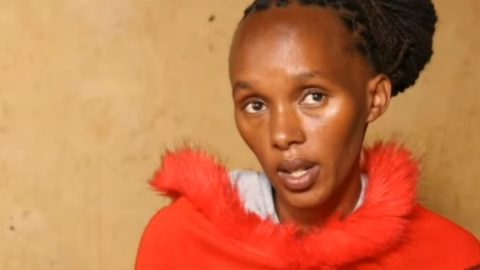
The 51-year-old man sat next to his mother, Dorothy Kweyu, while speaking in an interview with a local TV station at his mother’s residence in Katani, Machakos County, on Thursday, July 31, 2025.
Munyakho recounts an emotional journey, detailing events that led to his detention and years on death row while recounting moments with other inmates.
He also recounted that inmates on death row used the phrase “kuamka kwa giza“, which loosely translates to waking up from the dark, referring to the moment a fellow prisoner was taken away for execution.
“Kuamka kwa giza, (a Swahili statement that loosely translates to waking up from the dark) was a term that we used when one of us had been taken for execution,” Munyakho recounted.
While revealing the moment to be very traumatising, he also revealed that on some days he could be laughing and cracking jokes with a fellow inmate, and the next minute they are gone.
“It really was traumatising because you eat with someone, you joke with them, and the next minute they just take them away from you,” said Munyakho.
Likewise, he recounted very rare instances where people taken would return to the cell rooms.
“We just know when they take them out, we cannot see them, no one is coming back; it is only one incident that came back, but thereafter, I don’t know what happened.”
Munyakho’s arrest
Notably, for more than a decade, Munyakho’s life hung in the balance. Under Saudi law, execution could be avoided if the victim’s family accepted diyya (blood money).
The required amount was approximately Ksh129 million (USD 1 million). Despite years of fundraising, only about 15% was raised before the luxurious intervention of the Muslim World League, which ultimately paid the full amount in early 2025.
After years of diplomatic efforts, financial contributions, and negotiations, the victim’s family agreed to accept diyya (blood money), a practice under Islamic law. This allowed Munyakho to be spared execution and ultimately freed.
Munyakho’s story has gripped the nation, with many Kenyans hailing his return as nothing short of a miracle. His homecoming stands as a powerful testament to resilience, the strength of diplomacy, and the impact of collective support.