Advertisement
CJ Koome defends courts as Wetang’ula slams orders crippling parliament
22nd August, 2025 05:36 PM
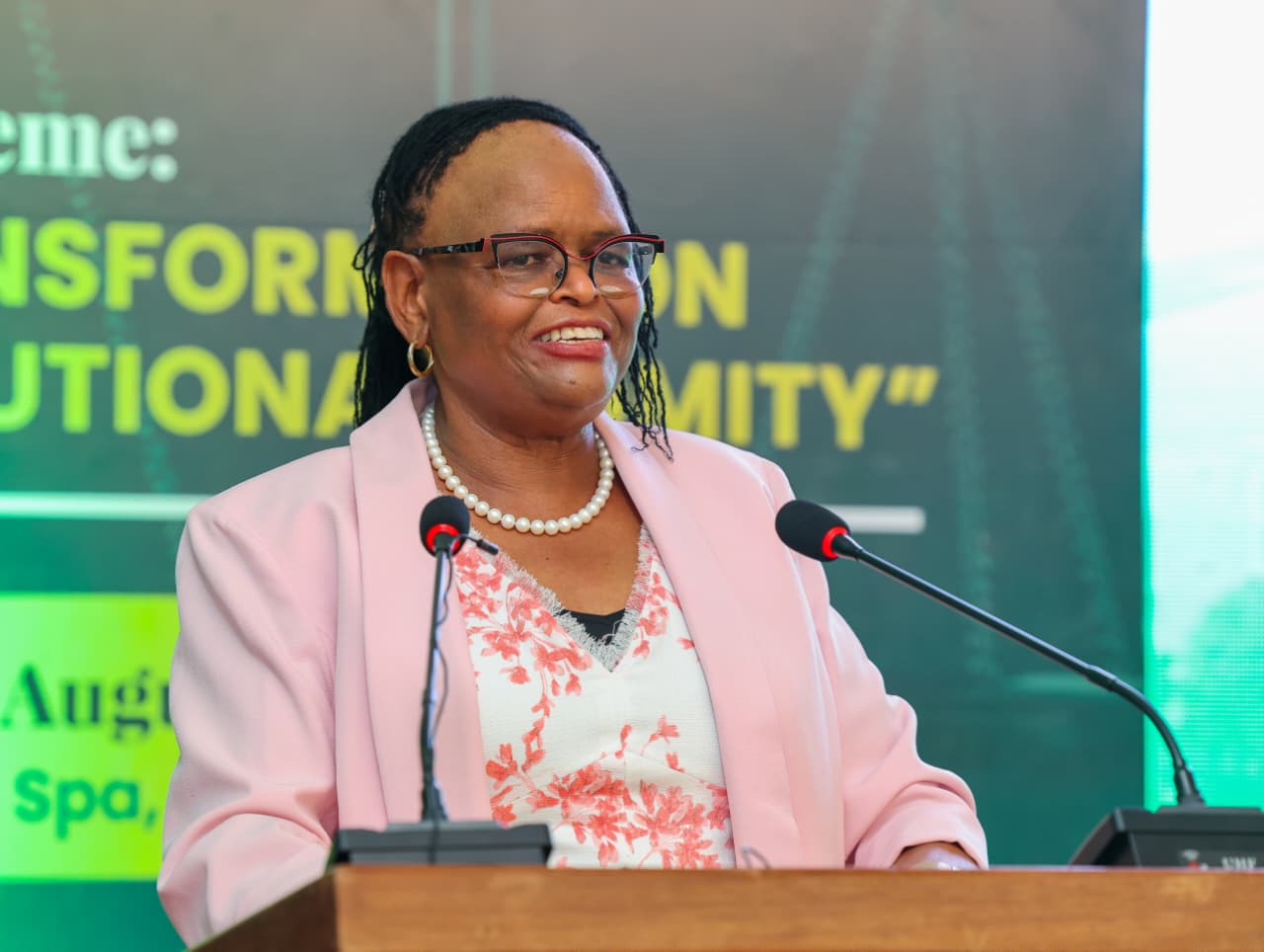
Chief Justice Martha Koome has defended the Judiciary’s independence following sharp criticism from National Assembly Speaker Moses Wetang’ula over conservatory court orders that he says are crippling the work of Parliament.
Speaking on Friday, August 22, 2025, during the Third Leadership Retreat in Mombasa on Friday, August 22, 2025, Koome responded to Wetang’ula’s concerns by calling for constructive engagement between the arms of government, while firmly rejecting any suggestion that judicial decisions should be influenced by political considerations.
“Institutional comity does not erode independence. There is a difference between institutional independence and decisional independence. While institutions may engage, decisional independence remains sacrosanct,” Koome said.
Koome emphasised that dialogue between the Judiciary and Parliament is essential to resolving friction, noting that misunderstandings could be avoided through more structured collaboration.
“This conversation is long overdue. Had we convened earlier, some misunderstandings and instances of working at cross purposes might have been avoided,” she said.
Her remarks followed a strong statement by Speaker Wetang’ula, who raised alarm over the growing number of conservatory orders issued by judges, saying they were increasingly stalling key legislative processes.
“This is a matter that needs to be addressed by the Judiciary urgently. Some hearings are pushed up to six months ahead, adversely affecting the progress of legislation,” the Speaker stated.
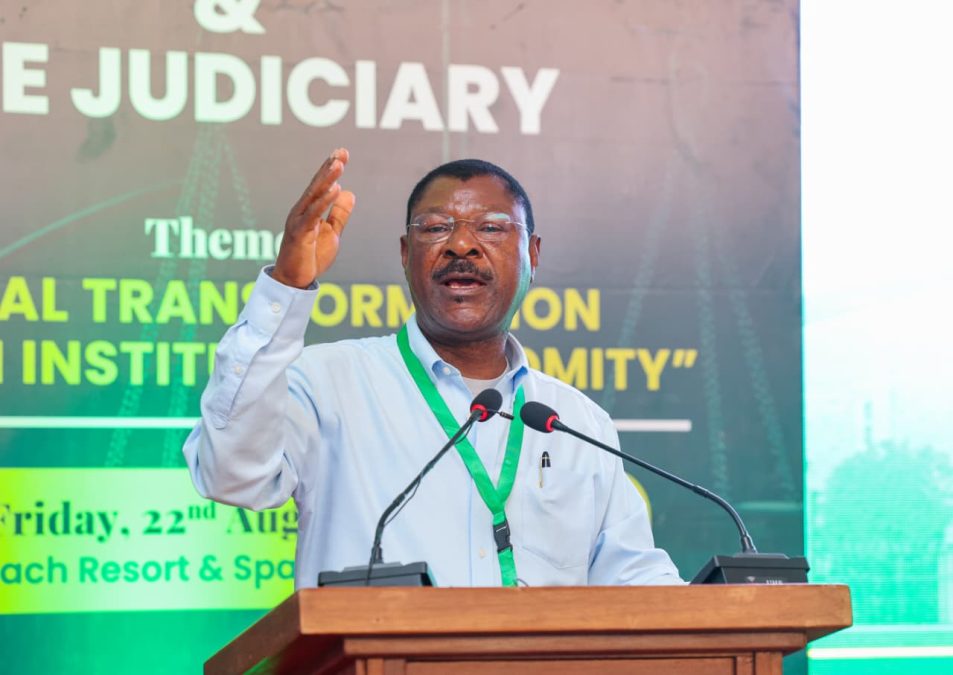
Wetang’ula’s alarm
He added that committee work and House debates have been disrupted by such orders, warning that the judiciary must not be seen as undermining democratic institutions.
Wetang’ula also called for all legal cases against Parliament to be centralised in Nairobi, where the institution is based, to avoid logistical challenges.
“Currently, our lawyers are forced to travel to upcountry courts, only to find magistrates on leave or transferred along with files,” he said.
Despite the tension, Koome highlighted areas of cooperation, including the Judiciary’s plan to expand access to justice by establishing magistrate courts in all 290 constituencies. Currently, only 143 have such facilities.
“The Judiciary requires enhanced allocations for infrastructure development. This will ensure equitable access to justice across the country,” she urged, appealing to Parliament for budgetary support.
National Assembly Clerk Samuel Njoroge backed the call for better collaboration, proposing a partnership between the Kenya Judiciary Academy and Parliament’s Centre for Parliamentary Studies and Training.
“Collaboration between our institutions of learning will strengthen capacity-building and reinforce professional growth for our officers,” Njoroge noted.
The retreat, themed “Social Transformation through Institutional Comity,” brought together leaders from the Judiciary and Parliament to build consensus on shared priorities, fiscal planning for the 2025/26 financial year, and ways to strengthen inter-institutional cooperation.