Advertisement
Boniface Mwangi urges Murkomen to uphold rule of law amid ‘shoot-to-kill’ order
27th June, 2025 11:51 AM
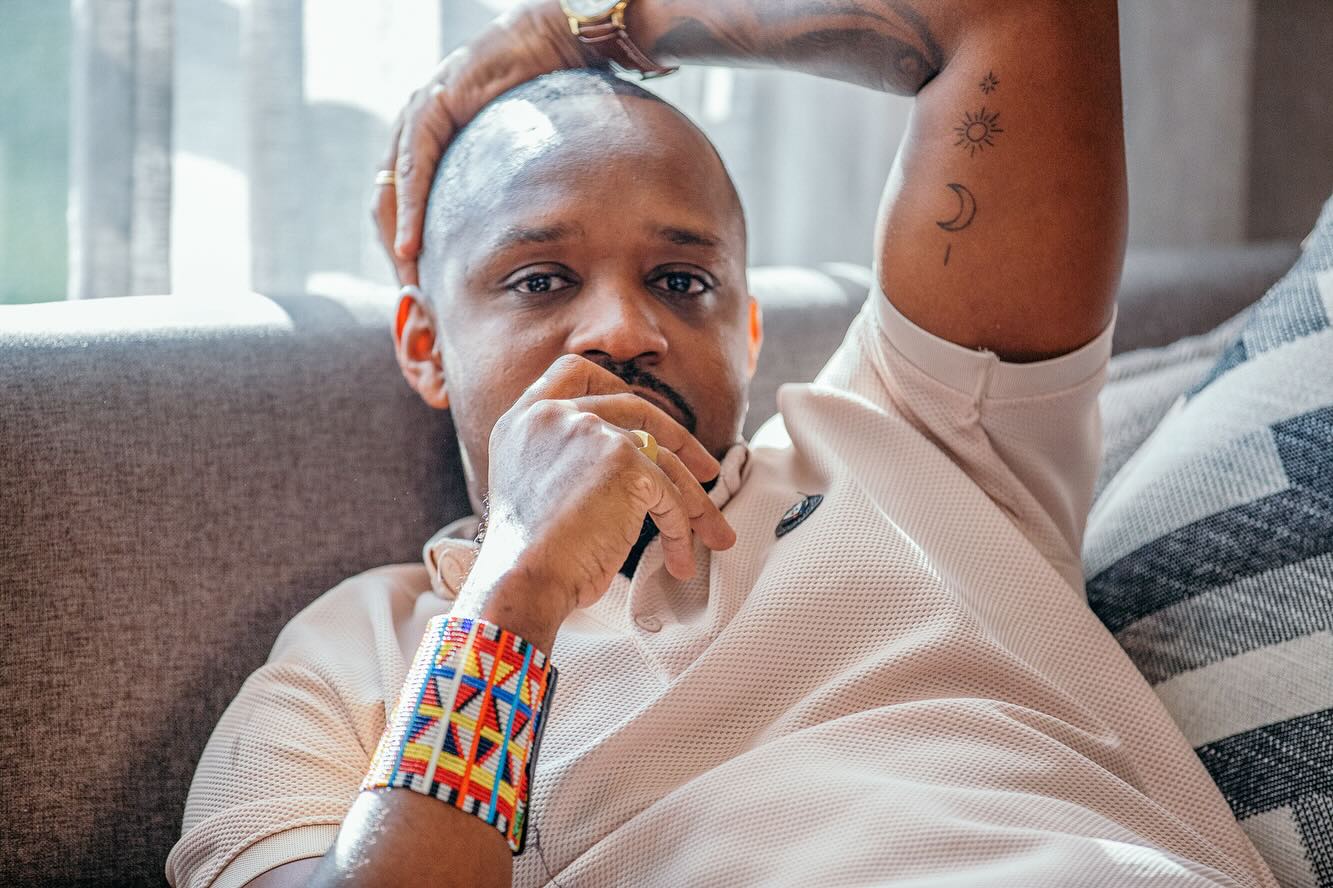
Renowned activist and photojournalist Boniface Mwangi has called upon Interior Cabinet Secretary Kipchumba Murkomen to strictly adhere to the rule of law amid his shoot-to-kill order.
In the wake of violence that marred the June 25 protests, Murkomen sparked a storm with his directive to police: shoot anyone attempting to storm a station.
Murkomen made the remarks on Thursday, June 26, 2025, during a tour of several damaged police facilities and told police officers to use guns to defend their lives and protect police stations from attacks by the public, saying it is an order from above.
He further said that the guns are not decorations, thereby urging officers to use them to defend the country.
“You should only run when you see that with whatever you have, even if you were to kill five or six, there are still many left (protestors),” he noted.
He added that there were no police excesses during the demonstrations, while at the same time acknowledging that more than 10 deaths were recorded all over the country.
“What unfolded yesterday was not a protest. It was terrorism disguised as dissent. There was no peaceful demonstration; it was riots, chaos, and anarchy,” he said.
Mwangi, however, during an interview with a local TV station on June 27, 2025, challenged the shoot-to-kill order, urging President William Ruto and Murkomen to demonstrate leadership by holding wrongdoers accountable through legal means rather than political theatrics.
“My call to the president and Kipchumba Murkomen: let’s stick to the rule of law. On the shoot-to-kill order, that is a show of anarchy. If I break the law, arrest me. If others do, arrest them too. Doing nothing about the perpetrators is anarchy,” Mwangi stated. He argued that legal accountability—not violence or intimidation—should be the foundation of governance during a crisis.
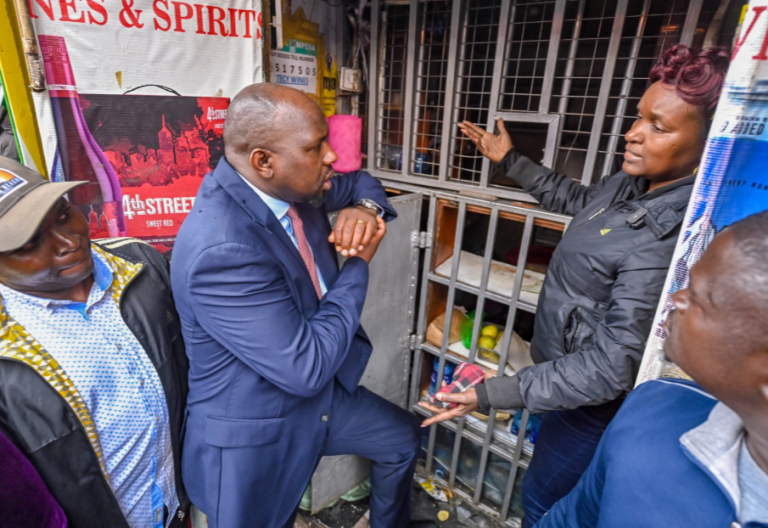
Mwangi criticised the government for being more concerned with preserving power and public image than with protecting citizens. “Yesterday, Murkomen toured buildings while people lay injured in Kenyatta, Narok, and Nyeri hospitals. We care more about suits, watches, and money than lives,” he lamented.
His comments come in the wake of a crackdown on activists, many of whom have faced arbitrary arrests and beatings during demonstrations. Mwangi, who has spent over a decade challenging state excesses, underscored the personal risks of activism but insisted that the pursuit of justice must remain rooted in the constitution and human rights.
“Genuine protestors don’t want to burn this country. We love our country; we just hate our leaders, who are anarchists.
Mwangi discussed the tactic of politicians hiring “goons” to infiltrate peaceful protests, a strategy aimed at disrupting these events and damaging their credibility.
His claims are further contextualised by his history of challenging political manipulation, as seen in his criticism of the government’s response to the 2024 protests and his call for accountability, reflecting Mwangi’s role as a prominent voice in the fight against corruption and for social justice.
He emphasised that while young people may be taking to the streets, many are being radicalised and manipulated by political interests.
“If we wanted to burn this city, it would be so easy,” Mwangi noted, adding, “They came into the city with placards and flags.”
His remarks follow the violent demonstrations of Wednesday, June 25, 2025, where nationwide protests against economic injustices and government policies turned deadly, leaving behind property destruction, injuries, and loss of life.
He also condemned the recent surge in violence during national protests, asserting that criminal acts such as looting and rape are politically driven—not acts of activism.
As the nation grapples with unrest fuelled by economic pressures and governance concerns, Mwangi’s plea serves as a timely reminder that sustainable peace cannot be built on repression. Instead, he argues, the government must show genuine concern for its people by upholding justice, protecting lives, and engaging citizens through lawful and democratic means.
Boniface Mwangi’s message is a bold call to realign national priorities—away from power preservation and toward principled leadership guided by the rule of law.