Ahmed Hashi: I am the one who invented the word ‘Wantam’
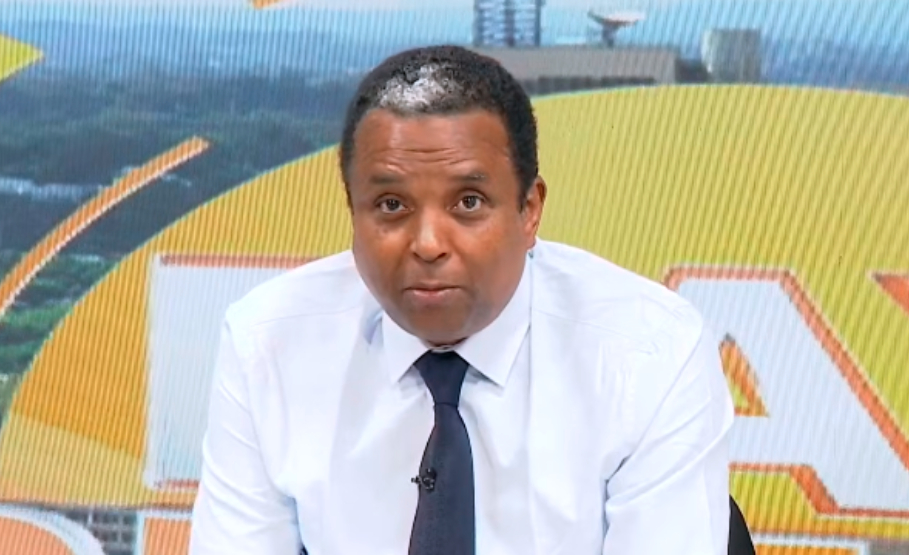
Governance expert Ahmed Hashi has claimed credit for coining the term “WANTAM,” using it to describe what he calls a “paramount chief” at the State House.
Speaking in a TV interview on Monday, August 11, 2025, Hashi said he predicted from the start that the current administration would fail to unite the country and would harm the economy.
You might also like



“I’m the one who invented the word ‘WANTAM.’ We have a paramount chief at the State House. When he was being inaugurated, I said, ‘This is what’s going to happen: he’s going to ruin the economy, and he’s not going to bring people together,’” he said.
Hashi’s remarks come as Kenya continues to grapple with public discontent, particularly among Generation Z, who have taken to the streets and social media to protest against government policies.
Hashi posed a challenge to the youth-led movement, questioning whether their current activism will evolve into a more structured form of political engagement.
“The question we have about Gen Z is whether they’re going to create an institution of a political party and bring in people of moral persuasion,” he said.
He argued that while demonstrations and online campaigns can raise awareness, lasting change often comes through institutional power. By forming a political party with leaders of integrity, Hashi said, the younger generation could channel its energy into reshaping the country’s governance from within.
Hashi also reiterated his support for a parliamentary system of government, arguing it would enhance accountability and curb the excesses of the executive.
“We need a parliamentary system of government because, once you have that, the executive is in Parliament and can be checked in a truly fundamental way,” he said.
Under such a system, the head of government would be directly answerable to elected representatives, making it harder to govern without consensus or oversight. Proponents of the model say it can promote coalition-building and reduce the concentration of power in a single office, issues that have been central to Kenya’s political debates for decades.
Hashi’s remarks add to the ongoing national conversation on governance reforms, the role of youth in politics, and the future shape of Kenya’s democracy.