Advertisement
6% of Ruto’s supporters blame him for abductions and extra-judicial killings
11th September, 2025 01:37 PM
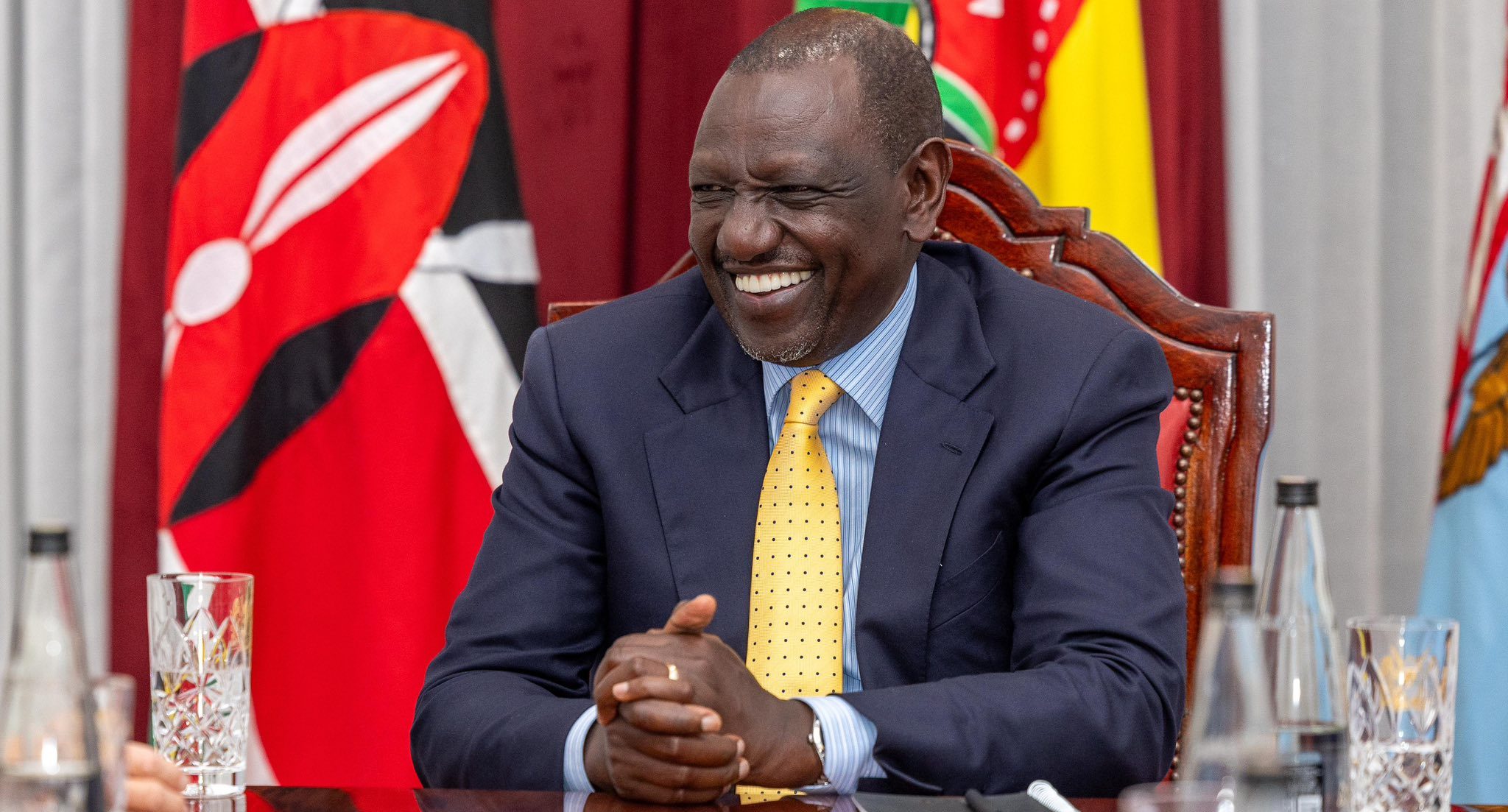
A new survey by Trends and Insights for Africa (TIFA) has shed light on Kenyans’ perceptions of responsibility for extrajudicial killings and abductions in the country.
According to the report released on Thursday, September 11, 2025, a plurality of Kenyans, 35 per cent of Kenyans, believe that the police and other state security agencies are the leading actors behind these violations.
Interestingly, the views were nearly identical among both supporters and opponents of the Bottom-Up Economic Transformation Agenda (BBG), at 36 per cent and 37 per cent, respectively.
However, the findings reveal sharp differences when it comes to attributing responsibility to President William Ruto himself.
Also Watch: Lawyer Mbobu’s killing sparks fresh calls to regulate boda bodas
While only 6 per cent of his supporters blame him for the abductions and extrajudicial killings, nearly three times as many of his critics (19 per cent) see him as directly responsible.
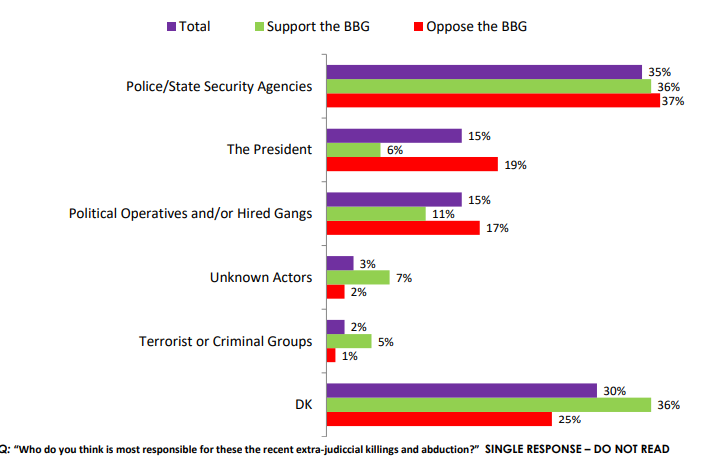
However, a clear contrast is seen with the figures attributing such violations to the president, as three times more of those who oppose the BBG identifying him as being the most responsible actor as compared with those who support it (19 per cent vs. 6 per cent).
The survey also highlights that a significant portion of Kenyans remain uncertain about where to place blame, with almost equal proportions across political divides indicating that they “don’t know” who is accountable.
Also Watch: Assassins are growing bold: MP Jared Okello sounds alarm after lawyer’s killing
The TIFA report suggests that while security agencies continue to shoulder the bulk of public blame for human rights violations, political alignment plays a key role in shaping opinions on whether the Head of State himself is culpable.
According to TIFA, its researchers interviewed 2,023 randomly selected Kenyan adults across all 47 counties, capturing views on household economic realities, government policy, political alignment, and expectations ahead of the 2027 general election.
TIFA noted that subsequent political and economic developments may have influenced public opinion since the survey period; however, it stated that the results provide an accurate snapshot of Kenyan attitudes at the time.
Other findings
The report also revealed that support for President William Ruto and ODM leader Raila Odinga’s broad-based government has soared by 7 per cent, an increase from 22 per cent in May 2025 to 29 per cent in the period of August-September 2025.
“The broad-based government faces a legitimacy challenge, as opposition is not only dominant but also growing. Although support has inched up slightly, it remains far overshadowed by those opposed, and indecision is declining as citizens become more decisive in their stance,” TIFA states.