Advertisement
From earpods to phones to laptops and TV screens: How Kenyans waste money
18th March, 2026 02:38 PM
In today’s fast-moving digital lifestyle, many Kenyans are upgrading their gadgets more than ever before.
New devices come with better designs, louder marketing and promises of a “premium experience”.
But in many cases, people end up paying for features they rarely use.
The result is simple. Money is spent, but value is not fully realised.
Earpods
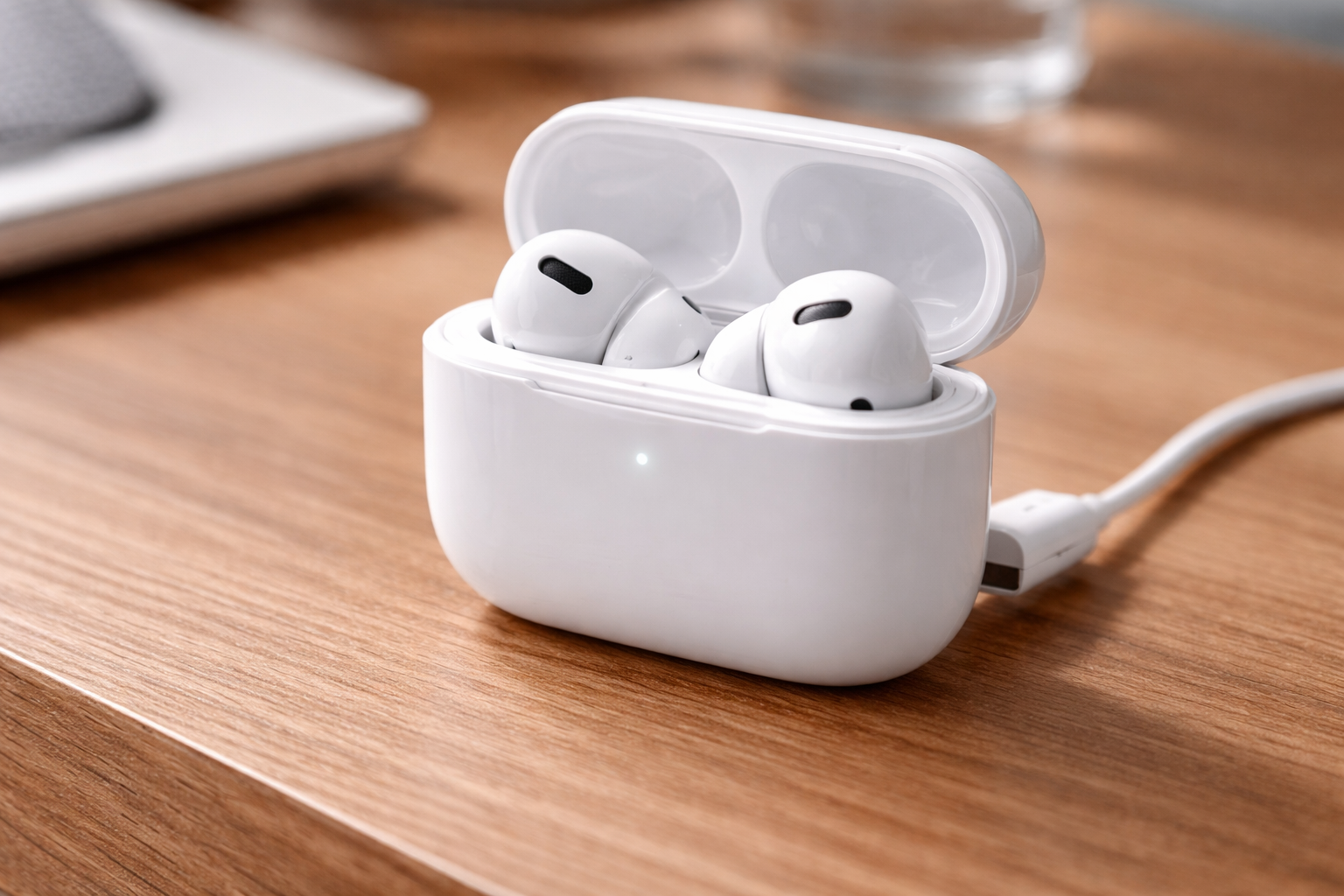
Wireless earpods have become a common sight in matatus, offices and even on the streets. Many people are now buying high-end pairs that cost tens of thousands of shillings.
The problem is not the purchase itself. It is how they are used.
Some of these earpods are built with advanced features like noise cancellation designed for air travel, long-haul flights and controlled environments.
But the average user listens to music while walking, commuting or sitting in a noisy public space where these features are barely noticeable.
Others support high-quality audio formats, yet most users stream compressed music from apps that do not deliver that level of sound. In simple terms, the ear cannot hear what the device is capable of producing.
At that point, the extra money paid does not translate into a better experience.
Smartphones
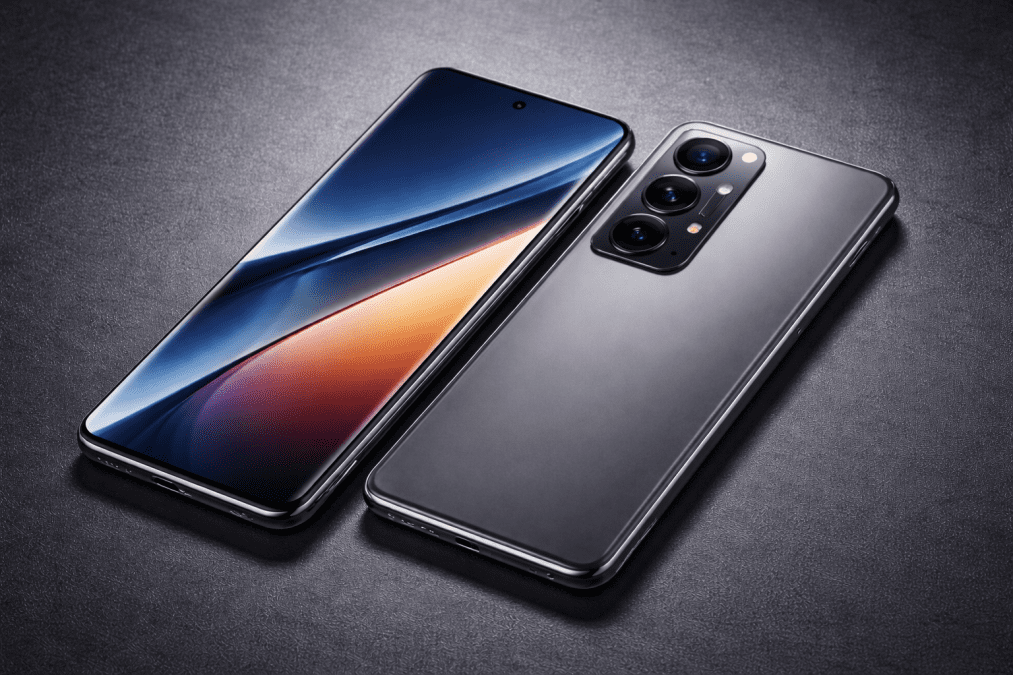
Smartphones are perhaps the most common example of overpaying for unused features.
Many people go for high-end phones with powerful processors, advanced cameras and large storage capacity. But their daily use remains basic. Calls, WhatsApp, social media and occasional photos.
A phone designed for heavy gaming, video editing or professional photography ends up being used for simple tasks that even a mid-range device can handle comfortably.
Storage is another area where money is lost. Someone buys a phone with very high storage, yet months later, it is still half empty. The extra capacity becomes unused space that was already paid for.
In the end, the phone performs well, but not better than what a cheaper alternative could have offered for the same usage.
Laptops
Laptops are now essential for work, school and business. However, many buyers choose machines far beyond their actual needs.

A person whose main tasks involve typing documents, browsing the internet and attending online meetings may still go for a high-performance laptop meant for software development, video editing or heavy design work.
These machines come with powerful processors, advanced graphics and large memory. But if those capabilities are never used, the user is simply carrying unused potential.
There is also the issue of portability. Some high-end laptops are bulky and consume more power, yet the user only needs a lightweight device for simple daily tasks.
The mismatch between usage and capability leads to unnecessary spending.
TV screens
Television screens are another area where expectations often do not match reality.
Many households are now buying very large screens, some going beyond 65 or even 70 inches. The idea is to enjoy sharper and more immersive viewing.
However, most local TV channels still broadcast in standard definition. This means the content itself is not designed to take advantage of high-resolution screens. No matter how advanced the TV is, it cannot turn a low-quality signal into true high definition.
Room size also plays a major role. Large screens require proper viewing distance to deliver a clear and comfortable picture. In smaller living spaces, sitting too close to a big screen can actually reduce viewing comfort rather than improve it.
Instead of enhancing the experience, the setup ends up working against the user.
The bigger picture
The pattern is clear across all these devices. The problem is not technology. It is the mismatch between what is bought and how it is used.
Many purchases are driven by trends, appearance or the idea of owning something “top tier”. But without understanding personal needs, it becomes easy to spend more than necessary.
A good device is not defined by how expensive it is, but by how well it serves its purpose.