Advertisement
Common foods you should never reheat more than once
30th July, 2026 10:31 PM
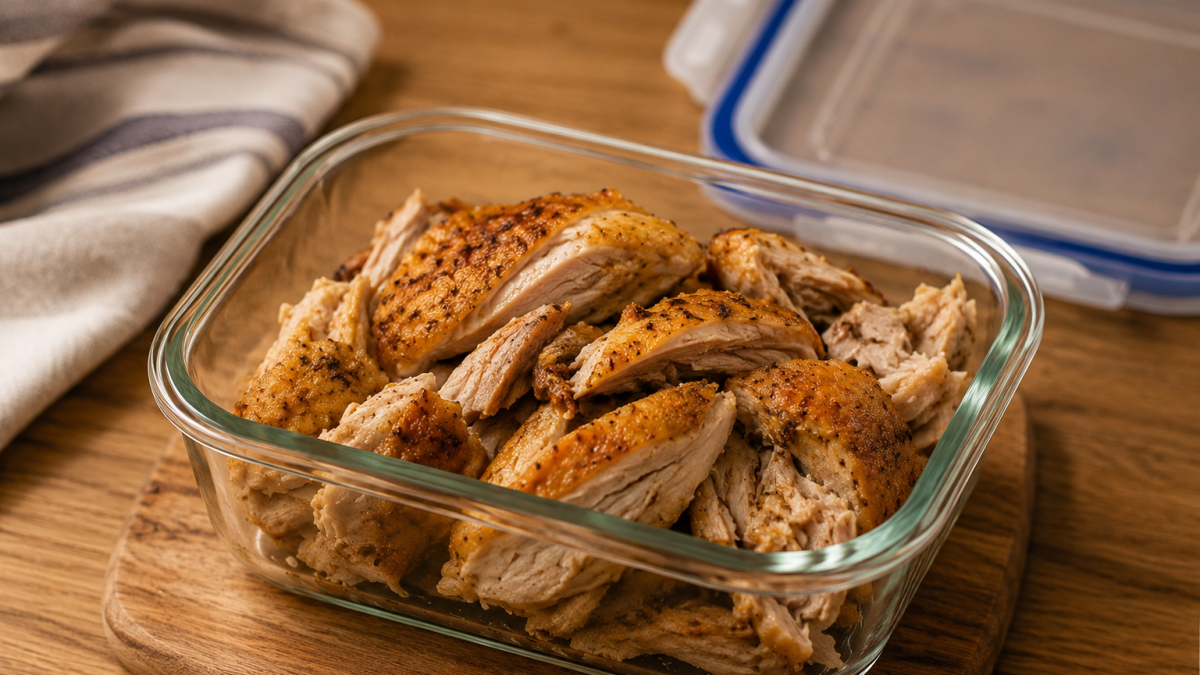
Leftovers are surprise gifts from yesterday. One quick trip to the microwave and dinner is served without dirtying another pan. It is convenient, budget-friendly, and a welcome break on busy days.
But there is one small habit that can spoil the whole idea. Reheating the same food again and again might save a few minutes, but it can also affect its safety, flavour and texture. Before you give last night’s meal another spin in the microwave, here are five foods that are better off being reheated just once.
Rice can turn risky faster than you think
Rice is one of the most commonly eaten leftovers, yet it is also one of the easiest foods to mishandle. The issue is not the rice itself but what happens after it is cooked.
Cooked rice can contain spores of Bacillus cereus, a bacterium that survives the cooking process. If the rice sits at room temperature for too long, those spores can grow and produce toxins. Unfortunately, reheating the rice does not always destroy those toxins, meaning you could still end up with an upset stomach.
The safest option is to cool rice quickly after cooking, refrigerate it within two hours and only reheat the amount you plan to eat. If there is any left after that, it is better to let it go than keep reheating it.
Chicken does not enjoy multiple trips to the microwave
Chicken is packed with protein, but it also requires careful handling once it has been cooked. Every cycle of cooling and reheating creates another opportunity for bacteria to grow if the food has not been stored properly.
Repeated reheating also ruins the eating experience. Moist, tender chicken slowly transforms into dry, stringy pieces that need far more chewing than anyone signed up for.
Instead of reheating the whole container every time someone wants a bite, divide leftover chicken into smaller portions before storing it. That way, each serving is only heated once.
Seafood is happiest when it is fresh
Fish, prawns and shellfish have delicate flavours and textures that do not survive repeated reheating very well. One round of heating is usually enough to warm them safely, but every extra round makes them drier and tougher.
Seafood is also more perishable than many other foods. If it spends too much time outside the fridge before being reheated, harmful bacteria can multiply quickly.
To stay safe, refrigerate cooked seafood as soon as possible and enjoy it within a day or two. If you have leftovers, heat only the portion you are about to eat.
Spinach and other leafy greens need gentle treatment
Leafy vegetables such as spinach, kale and Swiss chard are full of nutrients, but they are not ideal candidates for repeated reheating.
These vegetables naturally contain nitrates, which are harmless when fresh. However, repeated heating can reduce their quality and, under certain conditions, contribute to unwanted chemical changes. Even if there are no safety concerns, the vegetables quickly lose their vibrant colour, fresh taste and pleasant texture.
If you know you are cooking more than you need, separate the extra portion before serving. That way, it can go straight into the fridge without being reheated unnecessarily.
Egg dishes should not keep coming back
Whether it is an omelette, scrambled eggs or a slice of quiche, egg dishes are best reheated only once. Eggs are rich in moisture and protein, making them more vulnerable to bacterial growth if they are repeatedly cooled and warmed.
Then there is the texture. Soft scrambled eggs become dry, rubbery and rather disappointing after too many turns in the microwave. An omelette that started the week fluffy can end it tasting like a kitchen sponge.
Store cooked egg dishes in the fridge soon after they cool and only heat the amount you intend to finish.