World Cup: FIFA announces match official for France-Spain semi-final clash
By Luke Oluoch, July 13, 2026FIFA has unveiled the names of the match officials to oversee the highly anticipated 2026 World Cup semifinal clash pitting France against Spain at the Boston Stadium.
The world governing body has tasked Salvadoran referee Ivan Barton with the responsibility for the Tuesday, July 14, 2025, duel in Boston.
He will be in charge of the refereeing team composed of Salvadoran assistant David Morán as the assistant referee 1 and Nicaraguan Antonio Pubiro.
Glenn Nyberg from Sweden will serve as the fourth official.
Barton boasts wide experience from officiating in demanding CONCACAF matches, such as the Gold Cup, Copa América, World Cup qualifiers, and the CONCACAF Nations League.
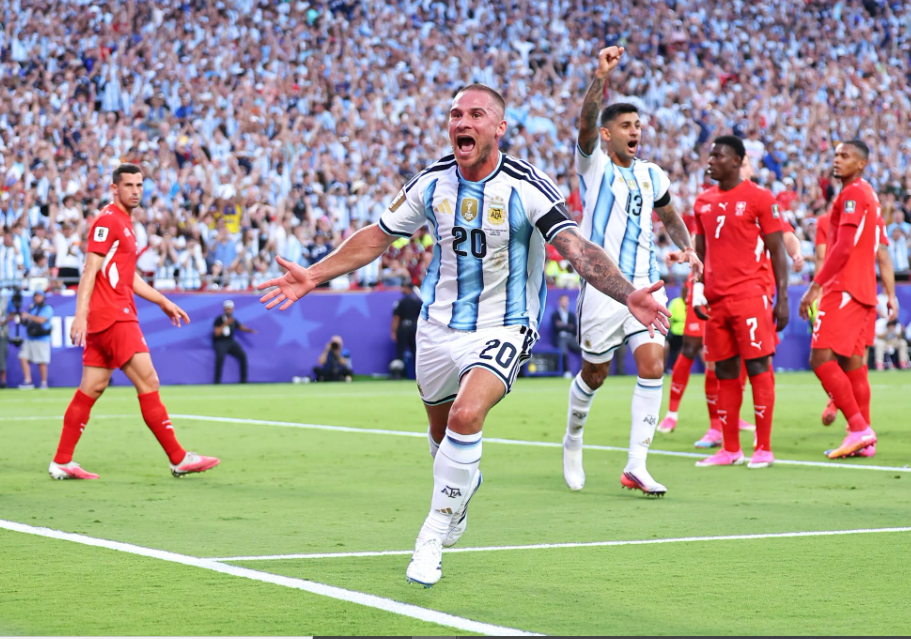
Meanwhile, FIFA has not yet officially made the match officials list public for the other semi-final pitting England against holders Argentina.
The match will take place on Wednesday, July 15, 2026, in Atalanta.
This comes after FIFA’s appointment of referees to oversee certain matches raised eyebrows.
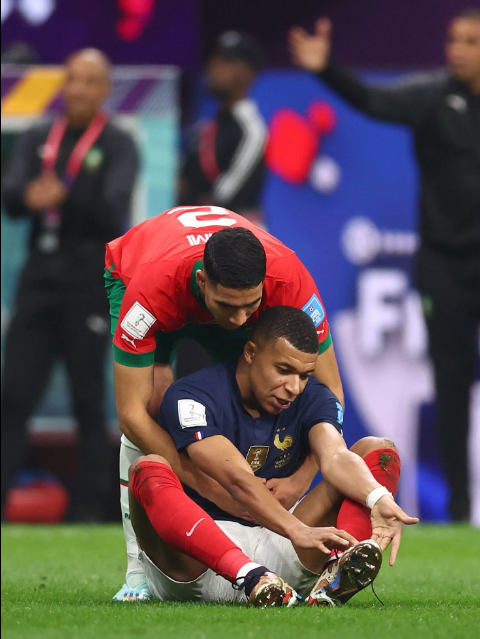
Among the clashes that raised eyebrows was the decision to assign an entirely Argentine officiating crew, led by referee Facundo Tello, to oversee France’s quarterfinal match against Morocco, which ended in a 2-0 win for the European giants.
Controversy over the referee’s appointment
With Argentina still actively competing on the opposite side of the tournament bracket, they remain a direct threat to France winning the trophy, prompting critics to question whether a crew from a tournament rival should handle a match of this magnitude.
The appointment of Portuguese referee João Pinheiro to handle Argentina’s quarter-final against Switzerland also triggered concern and debate regarding historical match contexts in previous international tournaments
How FIFA decides referee appointments
Referee appointments at the World Cup are made individually for every match by FIFA’s refereeing department, led by chief refereeing officer Pierluigi Collina.
Performance remains the biggest factor in deciding appointments, but neutrality also plays a major role.
Officials are prevented from taking charge of:
- Matches involving their own country.
- Fixtures that could directly affect their national team’s progress.
- Games involving nations where political conflicts may create perceptions of bias.