Advertisement
Why Bosnia and Herzegovina is making World Cup headlines after Canada’s draw
13th June, 2026 04:12 PM
Most football fans in the world know Canada.
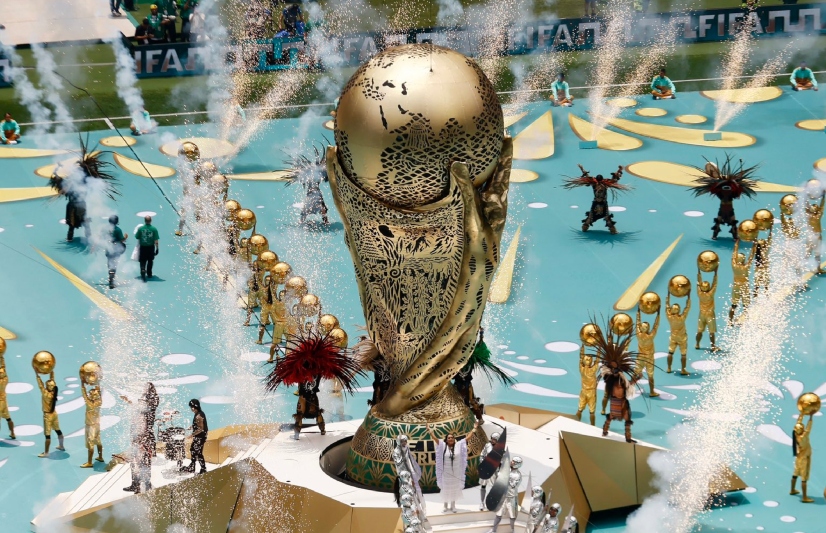
The North American nation is hosting the 2026 FIFA World Cup and entered the tournament carrying the hopes of millions of supporters.
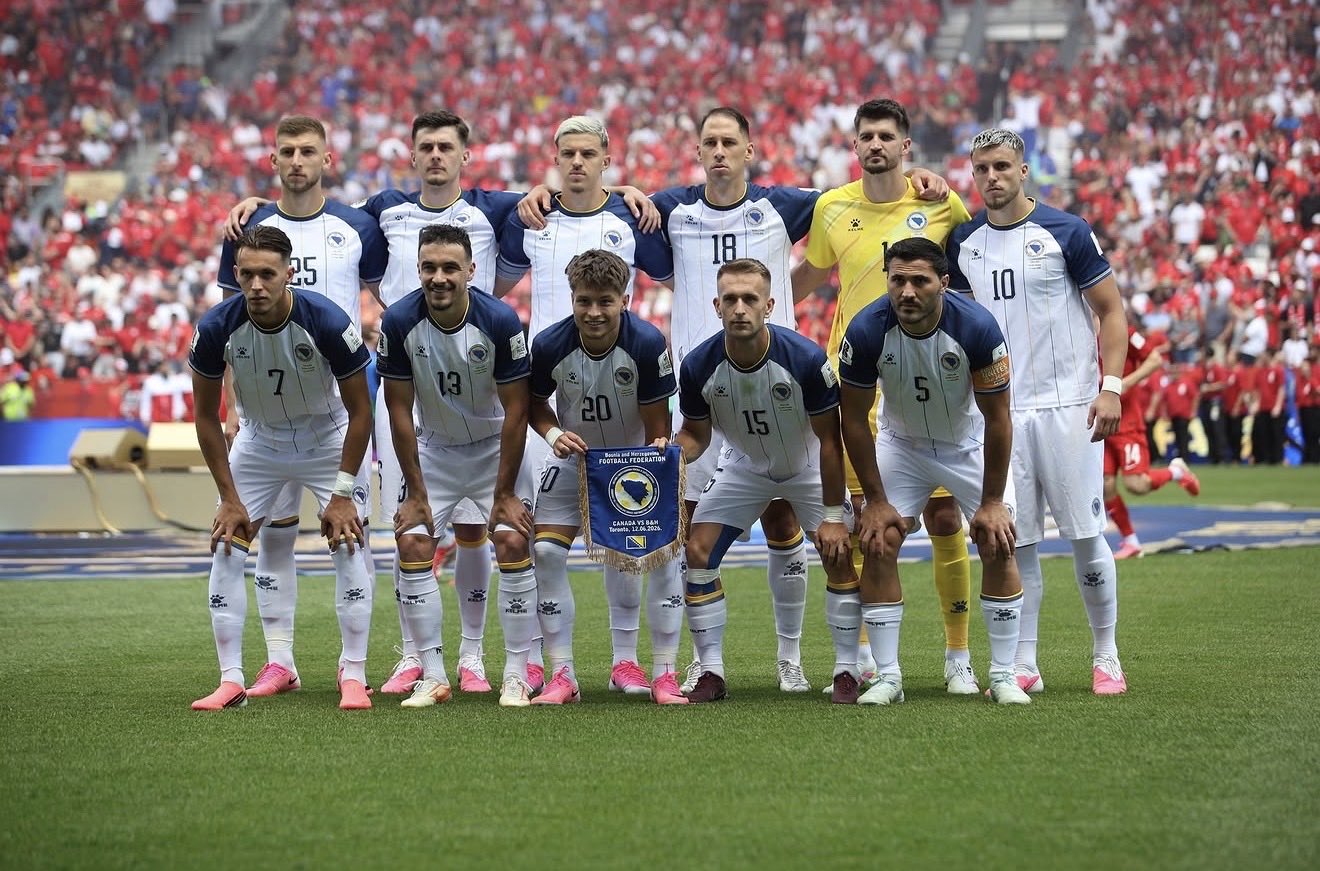
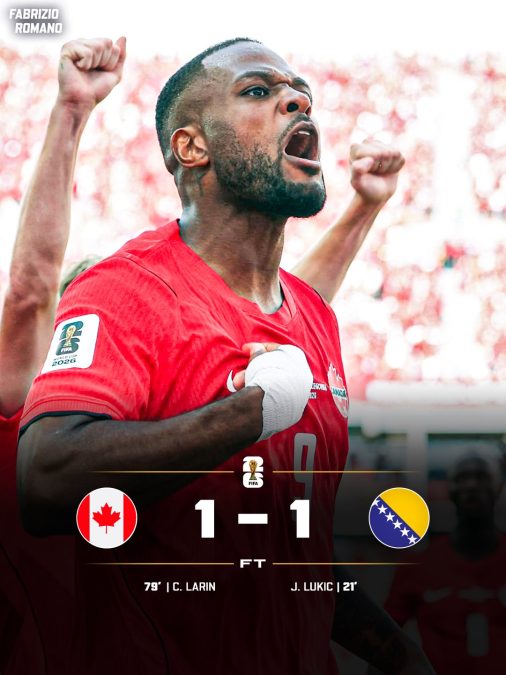
But after a surprise 1-1 draw in its opening match, another country has suddenly found itself in the spotlight: Bosnia and Herzegovina.
The European nation frustrated Canada in Group B, earning a valuable point and triggering a surge in online searches from football fans eager to learn more about a country many know little about.
How Bosnia and Herzegovina stunned Canada
Bosnia and Herzegovina showed exactly why football matches are not won on reputation alone.
The Balkan nation held Canada to a 1-1 draw in a match that many expected the hosts to win.
Bosnia and Herzegovina struck first after capitalising on a defensive lapse to take the lead.
Canada responded through substitute Cyle Larin, whose second-half goal rescued a point for the hosts.
While the result was not a defeat for Canada, it felt like a missed opportunity. The hosts enjoyed more possession and created several chances but struggled to break down a disciplined Bosnian defence.
Where is Bosnia and Herzegovina?
Bosnia and Herzegovina is a country in southeastern Europe on the Balkan Peninsula.
It shares borders with Croatia, Serbia, and Montenegro and has a population of approximately 3.2 million.
Its capital city, Sarajevo, is known worldwide for hosting the 1984 Winter Olympics and for its rich cultural history.
For comparison, Bosnia and Herzegovina’s population is smaller than many major cities around the world, making its World Cup achievement even more impressive.
Who leads Bosnia and Herzegovina?
Unlike most countries, Bosnia and Herzegovina operates a unique power-sharing system.
The country is governed through a rotating three-member presidency representing Bosniaks, Croats and Serbs, the three largest ethnic groups in the country.
The arrangement was established following the Dayton Peace Agreement, which ended the Bosnian War in 1995.
Today, Bosnia and Herzegovina is considered one of Europe’s most diverse nations.
A short but proud football history
Bosnia and Herzegovina became an independent football nation after the breakup of Yugoslavia in the 1990s.
Although it has a relatively small population, the country has produced several world-class footballers, including:
- Edin Džeko
- Miralem Pjanić
- Sead Kolašinac
- Asmir Begović
Before the 2026 FIFA World Cup, Bosnia and Herzegovina’s only previous appearance at the tournament came in Brazil in 2014.
That makes its return to football’s biggest stage a major story for supporters back home.
What Canada got wrong
Canada entered the match as favourites but failed to take full advantage of its opportunities.
The hosts were guilty of:
- Missing clear scoring chances
- Defensive lapses that led to Bosnia’s goal
- Struggling to unlock a compact defence
- Lacking composure in key moments
At the World Cup, small mistakes often carry big consequences.
Canada may ultimately regret not collecting all three points.
Why the draw could shape Group B
The result has made Group B significantly more competitive.
Canada now faces increased pressure in upcoming matches against Qatar and Switzerland. Bosnia and Herzegovina, meanwhile, has shown it can compete with higher-ranked teams.
A single point may prove decisive when qualification places are determined.
Should Bosnia and Herzegovina advance to the knockout stages, many fans may look back at the draw against Canada as the moment the country’s World Cup campaign truly began.
For now, one thing is clear: Bosnia and Herzegovina arrived at the World Cup as one of the least talked-about teams.
After holding Canada to a draw, it has become one of the tournament’s most fascinating stories.