Advertisement
5 teams qualify for World Cup knockout stage under FIFA’s new mathematical formula
27th June, 2026 07:42 AM
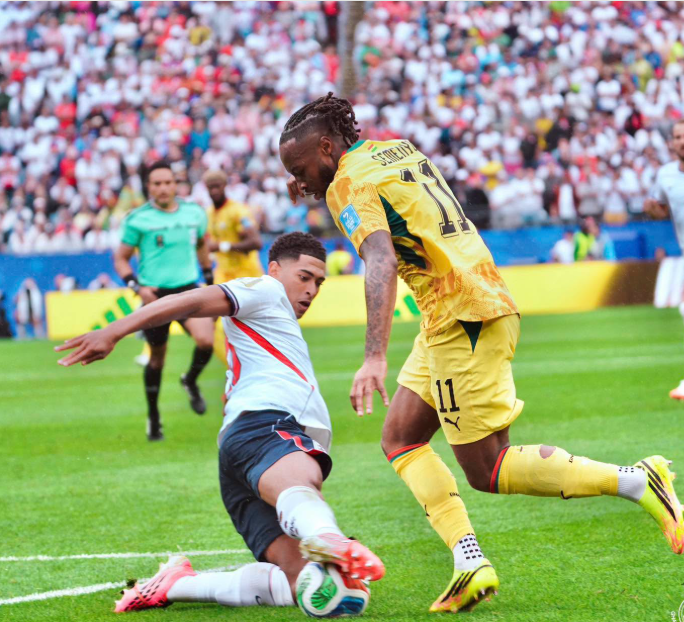
Five teams have become the first nations to mathematically secure places in the expanded FIFA World Cup 2026 Round of 32 before playing their final group-stage matches, thanks to the tournament’s new qualification format.
England, Ghana, Portugal, Egypt and Spain all booked their knockout-stage spots after collecting four points from their opening two group matches, ensuring they could no longer be overtaken in the race for one of the tournament’s best third-placed positions.
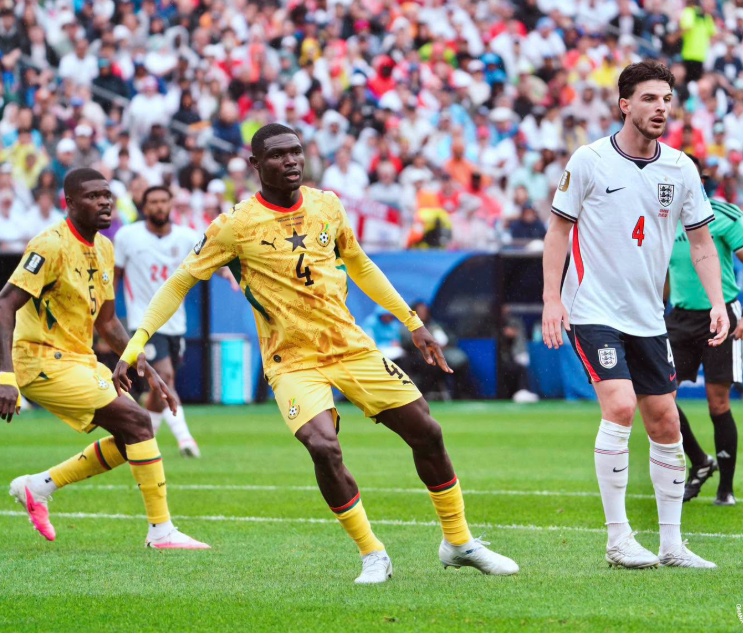
The breakthrough came after Spain’s narrow 1-0 victory over Uruguay in Group H, a result that permanently lowered the maximum number of third-placed teams capable of finishing with a superior record.
As a result, England and Ghana from Group L, Portugal from Group K, Egypt from Group G and Spain from Group H were all guaranteed progression regardless of the outcome of their final group matches.
Spain has since strengthened its position by winning its third group fixture, but its qualification had already been secured before kick-off through the mathematical calculations.
How the new qualification system works
The 2026 FIFA World Cup features an expanded 48-team format, with the top two teams from each of the 12 groups automatically advancing to the Round of 32.
They are joined by the eight best third-placed teams, creating additional qualification pathways compared to previous editions of the tournament.
The mathematical certainty emerged after several groups produced third-placed teams with only three points or fewer, including South Korea and Scotland, who both finished on three points.
With multiple third-placed teams already unable to surpass four points, the maximum number of teams capable of finishing above the five nations with four points became limited. This meant England, Ghana, Portugal, Egypt and Spain were guaranteed to finish among the eight best third-placed teams even in the unlikely event they slipped to third place after their final group matches.

The scenario highlights one of the unique features of FIFA’s expanded World Cup format, where teams can secure progression before completing all three group-stage fixtures through mathematical certainty rather than waiting for every match to be played.
As the group stage enters its decisive phase, more teams are expected to confirm their places in the knockout rounds, with the battle continuing for the remaining automatic qualification spots and the best third-placed positions.