FKF sensitises Premier League clubs on licensing standards ahead of 2026/27 season
By Luke Oluoch, July 17, 2026The critical importance of Kenyan Premier League clubs becoming fully compliant with club licensing rules and procedures was revisited on Thursday, July 16, 2026, as the Football Kenya Federation (FKF) held a comprehensive sensitization workshop with top-flight teams in Nairobi.
The workshop comes at a vital time, as clubs are actively preparing for the upcoming 2026/27 season, which is scheduled to kick off in August.
To raise professional standards across the board, the session addressed the five key pillars of club licensing: Sporting infrastructure, personnel and administration, financial and legal requirements required for full compliance with the expected standards and set rules.
Professionalising Kenya’s top-tier
In a statement shared on his X account, FKF President Hussein Mohammed emphasised that enforcing these rigorous standards is key to achieving true professionalism and transforming the league in full compliance with CAF and FIFA licensing requirements.
Resourced clubs
“By enforcing these standards, club licensing professionalises clubs, protects player welfare, strengthens financial accountability, and builds a more credible league,” Mohammed stated.
“This workshop is part of FKF’s strategy to guide clubs toward full compliance. The goal is clear: a league where clubs are better run, better resourced, and ready for the demands of top-tier football,” he added.
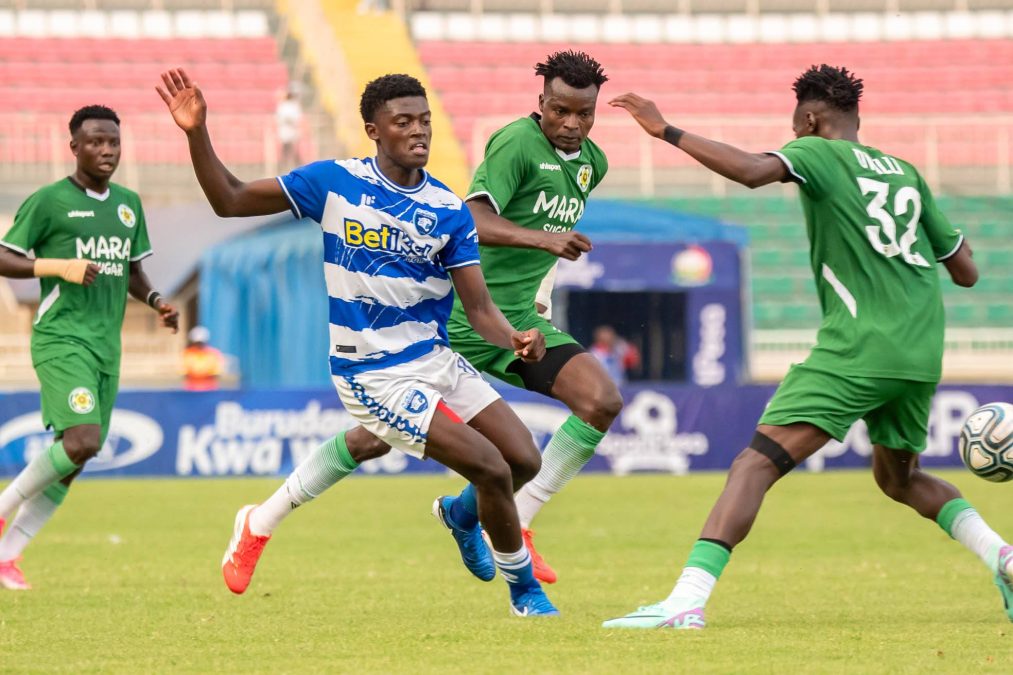
League organisers vowed to support the clubs’ collective efforts to align with these licensing requirements to ensure seamless participation in the top-flight league.
The workshop comes against a backdrop of persistent challenges in Kenyan football.
Local clubs continue to grapple with instances of players boycotting training and matches, as well as damaging walkovers primarily caused by a lack of strict compliance.
Furthermore, pay disputes and legal battles remain a major hurdle, with several teams being sued for millions of Kenyan shillings over the non-payment of player salaries and coaching staff dues.