How Chelsea could line up after Maxence Lacroix’s expected arrival
By Joel Masibo, July 25, 2026Chelsea are on the verge of adding another major signing to their squad, with France defender Maxence Lacroix closing in on a reported £52 million (Ksh9.1 billion) switch from Crystal Palace.
The Blues have already strengthened Xabi Alonso’s squad this summer by bringing in Morgan Rogers, Marco Palestra and Geovany Quenda, and Lacroix is expected to become the latest addition as the club continues its recruitment drive.
Reports indicate that Chelsea and Crystal Palace have reached the final stages of negotiations, with only the official announcement remaining before the French international is unveiled at Stamford Bridge.
Lacroix’s arrival would hand Alonso another high-quality defensive option, while also giving the Chelsea boss greater flexibility in choosing between a three-man or four-man backline.
Option 1: Lacroix anchors a three-man defence
One possibility is for Alonso to deploy Lacroix in the heart of a three-man defence.
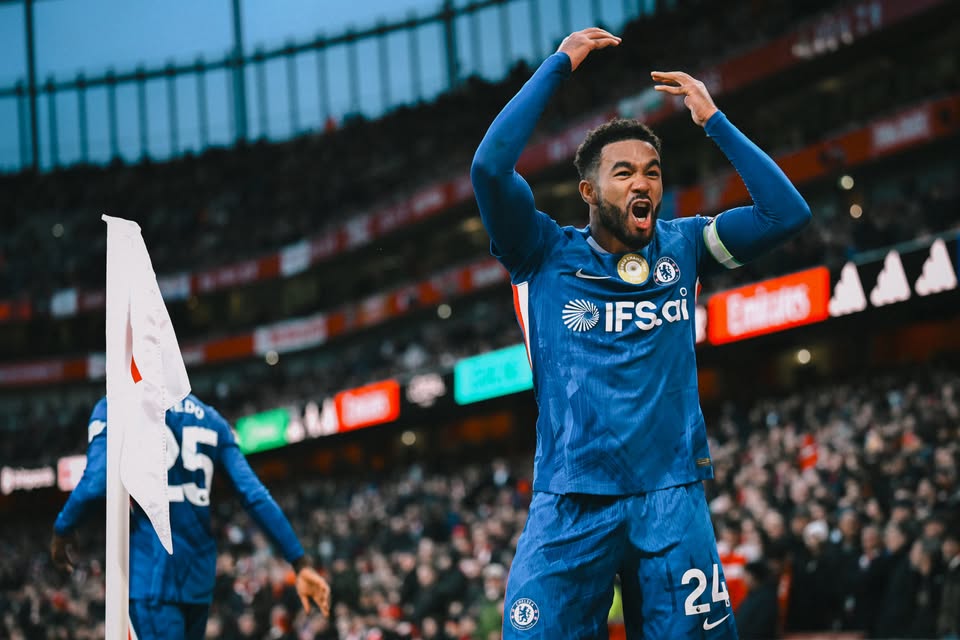
Right centre-back: Reece James
Centre-back: Maxence Lacroix
Left centre-back: Levi Colwill
During his trophy-laden spell at Bayer Leverkusen, Alonso regularly relied on a 3-4-2-1 formation, making this a natural option should he continue with the same tactical philosophy at Chelsea.
Lacroix is already familiar with this setup after spending time under Oliver Glasner at Crystal Palace, where he featured both as the central defender and on either side of a back three.
His strength in aerial battles, physicality and ability to win defensive duels make him well suited to the central role. The Frenchman also possesses enough pace to deal with quick forwards while offering the authority needed to organise the defensive line.
If Alonso selects this system, Colwill appears the obvious candidate on the left, while James could slot in on the right. Wesley Fofana and Josh Acheampong would also be alternatives for that position.
Option 2: Lacroix on the right side of the back three
Another approach would see Lacroix operating as the right-sided centre-back.
Right centre-back: Maxence Lacroix
Centre-back: Levi Colwill
Left centre-back: Jorrel Hato
Lacroix’s speed and athleticism could make him particularly effective in this role, allowing him to step out aggressively to intercept passes and engage attackers before they become dangerous.
Although he is capable of playing on the left, Colwill and Jorrel Hato are naturally stronger options there. Positioning Colwill centrally and Hato on the left would allow Alonso to accommodate all three defenders in the same lineup.
However, Lacroix’s proactive style can sometimes result in fouls, especially when isolated against tricky wingers, meaning Alonso would need to ensure adequate defensive cover.
Option 3: Traditional back four

Alonso may also opt for a conventional four-man defence.
Right-back: Reece James
Right centre-back: Maxence Lacroix
Left centre-back: Levi Colwill
Left-back: Jorrel Hato
Although Alonso became well known for using a back three at Leverkusen, he frequently preferred a back four during his time at Real Madrid, making this another realistic option at Chelsea.
Lacroix has previously shown he is comfortable in a two-man central defence, thanks to his positional awareness, composure in possession and confidence when building play from the back.
He also gained recent experience in a four-man defence while representing France at the 2026 FIFA World Cup, where he featured in three matches. Earlier in his career, he regularly played in a similar system during his time at Wolfsburg.
Should Alonso choose this formation, Lacroix and Colwill would likely form the central partnership, with James and Hato occupying the full-back positions.
Best tactical fit
Lacroix’s blend of size, aerial ability, pace and defensive intelligence makes him an ideal candidate to play in the middle of a back three.
That setup would also maximise the ball-playing qualities of Colwill and James, allowing Chelsea to build attacks confidently from deep while maintaining a solid defensive structure.
Even so, the French defender’s versatility means he can seamlessly adapt to multiple defensive roles, giving Alonso valuable tactical flexibility throughout the season.