Cameroon FA President Samuel Eto’o under fire as clubs demand graft probe
By Al Jazeera, September 16, 2026The Association of Amateur Football Clubs of Cameroon (ACFAC) has called for a probe into the Cameroonian Football Federation and its chief, Samuel Eto’o, following media reports of alleged graft.
Eto’o has been accused of improperly receiving a payment from the Russian Football Union in connection with a friendly match between the two countries in October 2023.
According to ACFAC, the Russian Football Union allegedly violated the terms of its contract with the Cameroonian federation, FECAFOOT, by transferring around 567,000 euros into a bank account that did not belong to the federation.
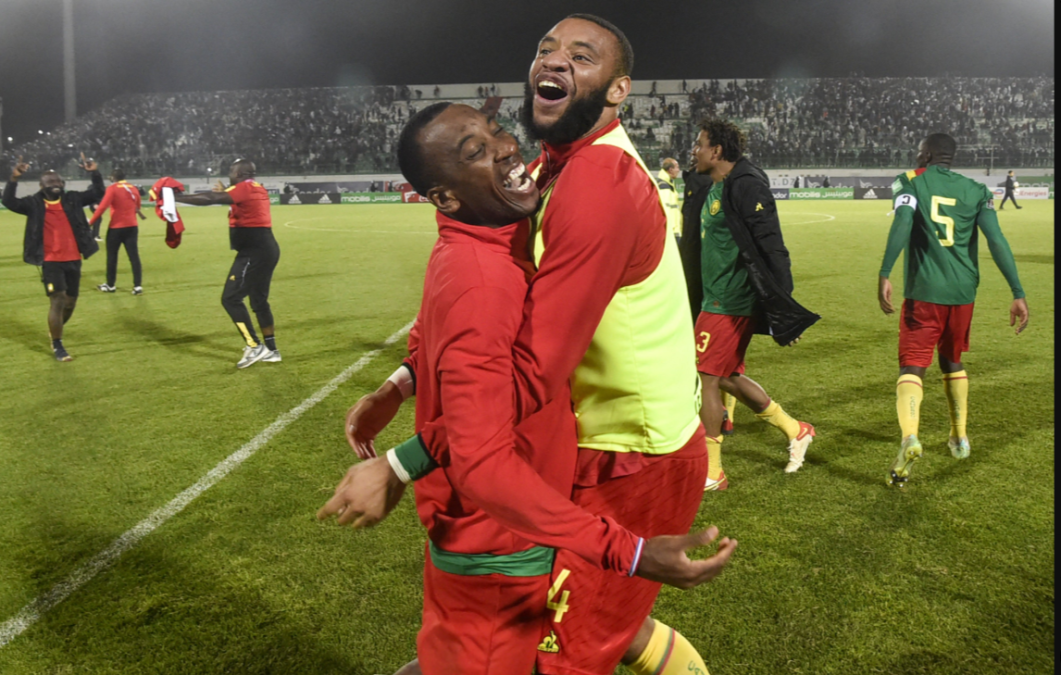
The association also announced its intention to file a lawsuit against the former Barcelona and Inter Milan striker in Cameroonian courts, as well as a separate legal complaint in Russia against the Russian Football Union.
Eto’o, a renowned football icon and one of Africa’s most celebrated football success stories, announced his retirement from professional football on September 7, 2019, at the age of 38.
His exit from a more than decade-long illustrious career was marked by an eventful ending, with a farewell match held in Milan’s iconic San Siro stadium.
The 4-time Africa Footballer of the Year, later turned to football administration, rose to the helm of the Cameroonian Football Federation (FECAFOOT) on December 11, 2021.
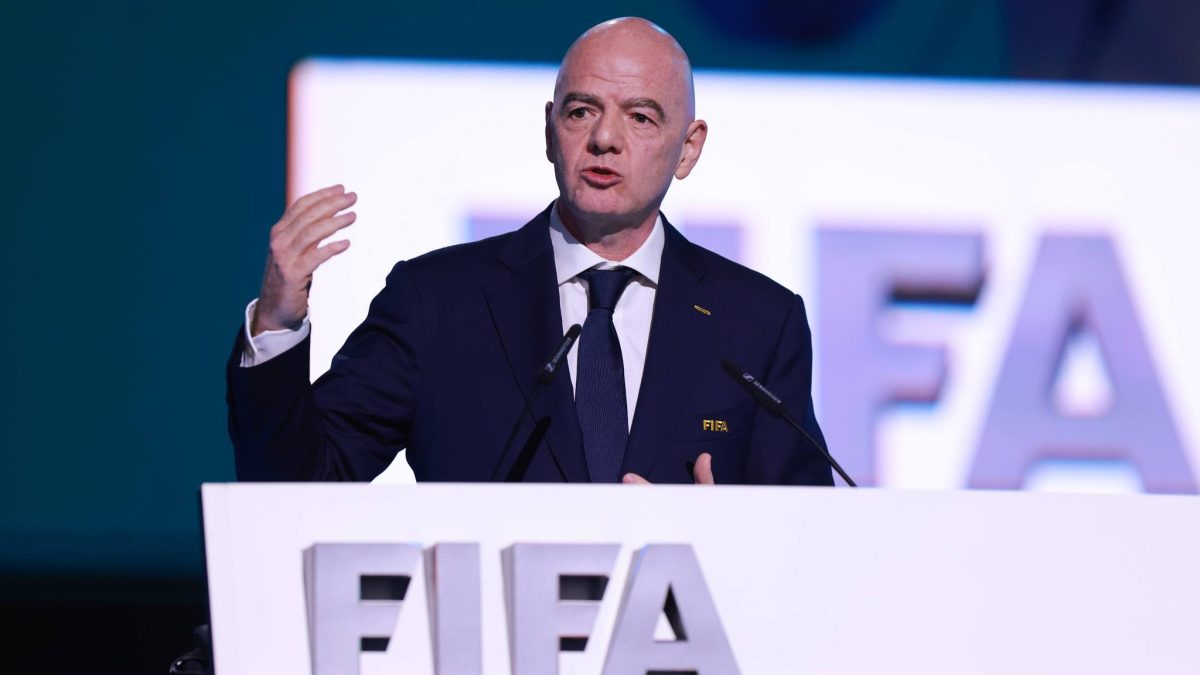
Previously, Eto’o threw his support behind FIFA President Gianni Infantino, arguing that the Swiss-Italian administrator has played a major role in improving football across the continent.
The FECAFOOT president believes Infantino’s leadership has helped African nations develop their football structures and increased their chances of appearing at the World Cup.
“President Gianni Infantino has changed football,” Eto’o said in an interview with the French sports newspaper L’Équipe.
Eto’o highlights financial gap
Eto’o also pointed to the huge financial differences between African football associations and their counterparts in richer football markets.
He argued that African federations often have to operate with significantly smaller budgets and, in many cases, depend on financial support from their governments.
“When you see some federations with budgets of 150,000 euros, how can they compete against the big countries?” he said. “We will never be able to have the same perception of things as the big countries.”