Why Truphena Muthoni’s possible tree-hugging Guinness World Record is reincarnation of Wangari Maathai
By Cynthia Lodite, December 11, 2025Truphena Muthoni has once again likely etched her name into the Guinness World Records, this time through an extraordinary hugging marathon that has captured national attention.
However, just beyond the feat lies a deeper narrative, one that mirrors the spirit of the late Nobel Laureate Wangari Maathai.
Also watch: Kenyans rally for Muthoni’s 72-hour tree-hugging feat
Environmental activist Truphena Muthoni recently officially broke her own 72-hour tree-hugging record on Thursday, December 11, 2025, amid loud cheers, ululation, and overwhelming support from the public.
Just as Maathai’s tree-planting campaign became a symbol of environmental and social resistance, Truphena’s record attempt has highlighted the power of human connection and mental health awareness in a society often silent about emotional well-being.
Celebrating Nobel Peace Prize winner
Her 72-hour world record comes just a week after Wangari Maathai’s legacy returned to the global stage in Nairobi, Kenya, on Tuesday, 9 December 2025, as the UN Environment Assembly marked the twentieth anniversary of her Nobel Peace Prize with a quiet but meaningful ceremony that brought together her family, Kenya’s environment authorities and global environmental leaders.
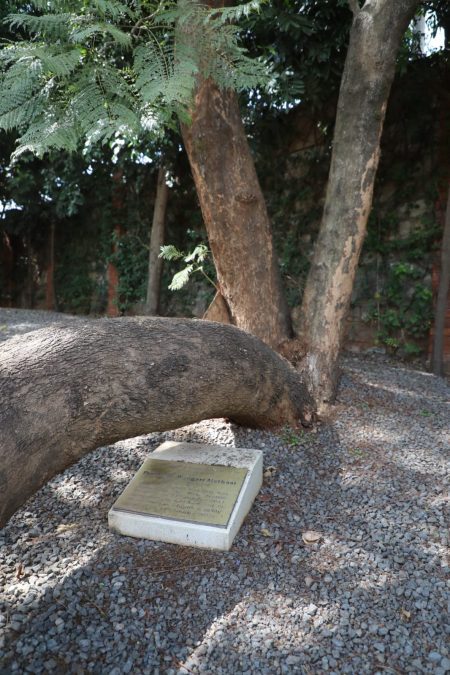
The event, which was held on the tree named in her honour within the United Nations compound, gathered the people who have carried her work forward and renewed the question of how Africa can grow the next generation of environmental defenders at a time when the continent’s ecosystems are under mounting strain.
Wanjira Mathai, speaking on behalf of her late mother, watered the tree that has stood within the compound for years, a living symbol of a movement that began in Kenya’s rural villages and went on to shape global environmental politics.
Also watch: Muthoni’s mission to highlight the healing power of nature in mental health
To those watching, the moment was not ceremonial alone; it was a reminder that Maathai’s work grew from ordinary citizens who decided that degraded land, polluted rivers and shrinking forests were not inevitable features of African life.
At the time, many of the participants at UNEA-7 had themselves been influenced by the Green Belt Movement, which mobilised women to restore Kenya’s landscapes long before most African governments began budgeting for climate adaptation or forest rehabilitation.
Across Africa, the significance of honouring Maathai at a multilateral forum lies in the gap she identified decades ago: a continent rich in natural resources but short of political will to protect them. The pressures she fought—illegal logging, land grabbing, urban encroachment and political intimidation—still shape the environmental realities of many countries.