Advertisement
Why parents should be allowed to inspect boarding schools before enrolling their children
28th May, 2026 10:40 PM
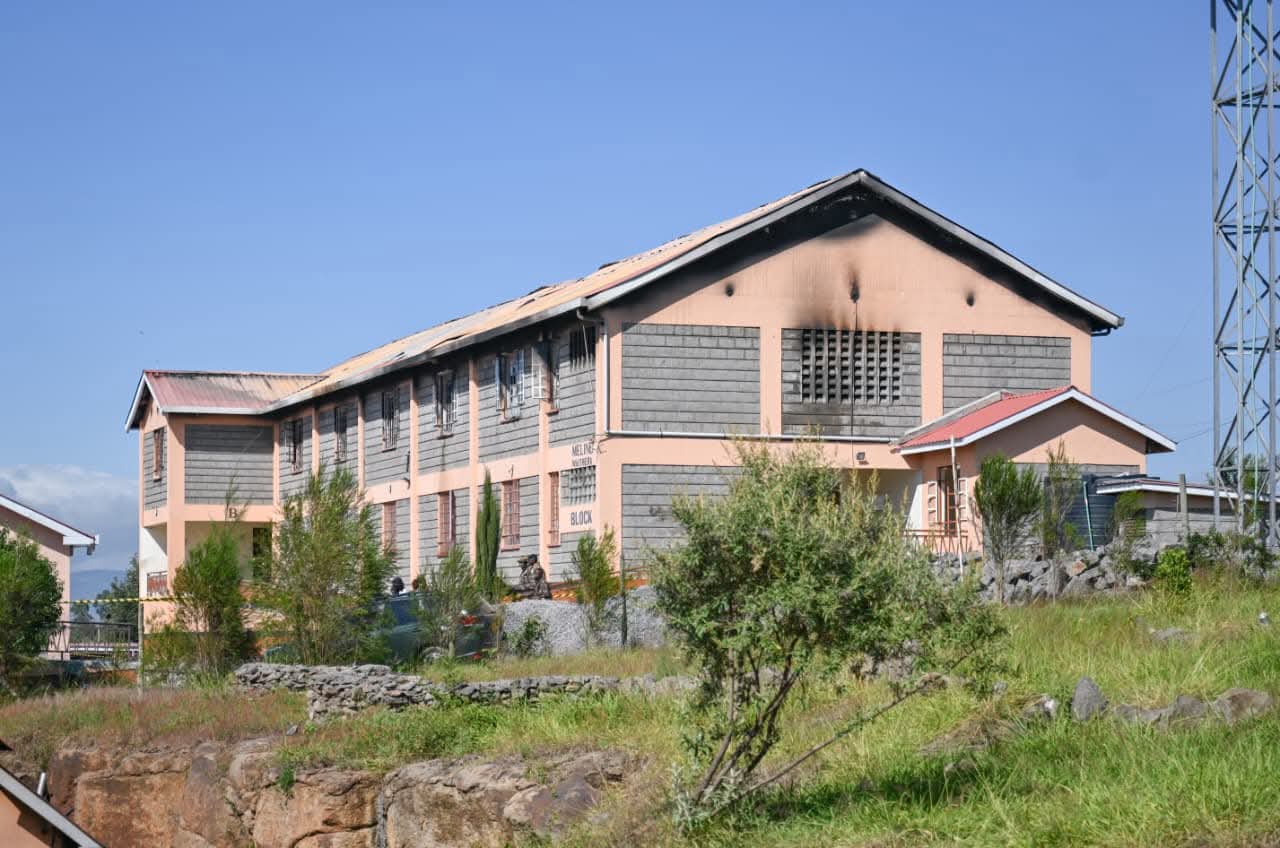
The heartbreaking fire tragedy at Utumishi Girls Academy in Gilgil has once again forced Kenya to stare directly into a painful question many parents quietly ask themselves every time they leave a child at a boarding school gate. Is my child truly safe here?
The fire, which broke out in a dormitory in the early hours of Thursday morning, killed at least 16 students and left dozens injured, according to reports from authorities and emergency responders. Some learners reportedly suffered injuries while trying to escape through windows after panic spread through the dormitory. Investigations are still ongoing, but the incident has already reopened old wounds in a country that has witnessed several deadly school fires over the years.
For many Kenyan parents, choosing a boarding school usually revolves around grades, discipline, reputation, and whether the school has enough sweaters to survive a July morning in Gilgil. Rarely do parents get a real opportunity to inspect the dormitories, fire exits, electrical wiring, kitchens, sanitation systems, or emergency preparedness plans before enrollment. Yet these are the very things that can determine whether a child comes home safely for half term or becomes a headline on the evening news.
Parents should not feel guilty for asking difficult questions before handing over their children to an institution. In fact, they should be encouraged to inspect schools thoroughly. After all, even landlords will proudly show you where the water tank is before you rent a bedsitter. Surely a school entrusted with hundreds of children should face even greater scrutiny.
Parents need to know whether emergency systems actually work
Many schools proudly display fire extinguishers mounted neatly on walls like decorative trophies nobody has touched since Moi Day celebrations in 2014. The real question is whether those extinguishers work, whether students know how to use them, and whether teachers are trained to respond during emergencies.
A parent should be allowed to inspect whether dormitories have functioning alarms, accessible exits, emergency assembly points, and proper evacuation procedures. During a fire, confusion spreads faster than flames. A crowded dormitory full of frightened teenagers can quickly turn into chaos if safety systems are poor or nonexistent.
The Utumishi Girls tragedy painfully reminded Kenyans that some school dormitories still have locked sections, poor escape routes, or overcrowded sleeping arrangements. Parents deserve to know whether their children can safely escape danger before they even unpack their metallic boxes and plastic buckets.
Boarding schools become temporary homes
Children in boarding schools spend months away from home. They sleep there, eat there, shower there, fall sick there, cry there, and occasionally hide their dirty uniforms there hoping no one notices. The school essentially becomes a second home.
No parent would allow a child to spend years inside a house they have never inspected. Yet many parents enroll children in schools after seeing only an administration block and a trophy cabinet polished brighter than the students’ future.
Parents should have the right to inspect dormitories, bathrooms, dining halls, sick bays, kitchens, and recreational spaces. Poor sanitation, exposed wiring, broken windows, overcrowding, and weak infrastructure are not small issues. They directly affect the health and safety of children.
A school may produce straight As, but if students sleep in unsafe conditions, those grades come at a terrifying cost.
Transparency forces schools to maintain better standards
When institutions know parents will inspect facilities carefully, they are more likely to maintain proper standards consistently rather than performing emergency “cleaning ceremonies” only during inspection visits from education officials.
Transparency creates accountability. Schools become more serious about maintenance, repairs, and safety compliance when they know observant parents will ask uncomfortable but necessary questions.
A parent inspecting a dormitory might notice blocked exits, faulty sockets, broken grills, or overcrowded cubicles that an exhausted administrator may ignore daily. Sometimes fresh eyes spot danger faster than official reports.
The truth is that safety improves when schools understand that parents are not just fee-paying spectators but active stakeholders in their children’s wellbeing.
Students themselves often fear speaking out
Many boarding school students endure unsafe conditions silently because they fear punishment, ridicule, or being labelled troublesome. Teenagers can survive astonishing discomfort with the determination of soldiers during wartime. Some will complain more about watery beans than broken electrical systems.
Parents therefore become an important voice for safety.
A parent inspecting facilities can ask questions students may never dare ask. Are dormitories overcrowded? Are emergency drills conducted regularly? Is the wiring inspected frequently? Are security officers available at night? Are matrons trained in emergency response?
Children should not carry the burden of identifying institutional safety failures alone.
Safety should matter as much as academic performance
Kenyan society sometimes treats academic performance like the ultimate measure of a good school. Parents proudly discuss mean grades while ignoring whether students live in safe and humane environments.
A school can produce top national results and still fail terribly in protecting children.
The Utumishi Girls fire is a painful reminder that no report card can replace a child’s life. Parents must therefore evaluate schools beyond academics. Safety, mental wellbeing, sanitation, emergency preparedness, and living conditions deserve equal attention.
Perhaps if parents were routinely allowed structured safety inspections before enrollment, more schools would prioritize prevention instead of reaction. Tragedies would reduce, accountability would improve, and parents would sleep slightly better during those cold boarding school nights when every unexpected phone call feels like the beginning of bad news.
Children leave home carrying dreams bigger than their suitcases. The least society can do is ensure the places they sleep are safe enough to protect those dreams.