Advertisement
Why Kenya celebrates Madaraka Day on June 1
01st June, 2026 04:13 PM

Every year on June 1, Kenyans gather to celebrate Madaraka Day, one of the country’s three major national holidays alongside Mashujaa Day and Jamhuri Day.
The day is marked by military parades, cultural performances, presidential speeches and national celebrations held in different parts of the country.
While many Kenyans enjoy the public holiday, not everyone fully understands what Madaraka Day represents or why it is celebrated on June 1 instead of December 12, the date Kenya attained full independence.
The answer lies in a crucial chapter of Kenya’s history that paved the way for self-governance and eventual independence.
What is Madaraka Day?
The word “Madaraka” is derived from the Swahili language and means authority, power or self-governance.
Madaraka Day commemorates June 1, 1963, when Kenya attained internal self-rule from British colonial administration.
On this day, the colonial government transferred significant governing powers to African leaders, allowing Kenyans to begin managing their own affairs through a locally elected government.
Although Kenya was not yet fully independent, the day marked the beginning of African control over the country’s political and administrative systems.
For many historians, June 1 represents the moment Kenya took its first practical step towards complete freedom after decades of colonial rule.
Road to self-rule
Before 1963, Kenya was governed as a British colony. Major political decisions were largely controlled by the colonial administration, and Africans had limited influence over governance.
The struggle for self-rule intensified in the 1950s through political activism, constitutional negotiations and resistance movements that demanded greater representation and freedom.
Several constitutional conferences held in London gradually paved the way for African leadership.
Following elections held in May 1963, a Kenyan government led by Prime Minister Jomo Kenyatta assumed internal control of the country on June 1, 1963. This transfer of authority became known as Madaraka.
Six months later, on December 12, 1963, Kenya attained full independence from Britain.
A year after that, on December 12, 1964, Kenya became a republic, with Jomo Kenyatta serving as the country’s first President.
Madaraka versus Jamhuri
One of the most common questions among Kenyans is the difference between Madaraka Day and Jamhuri Day.
Madaraka Day celebrates self-rule. It marks the day Kenyans gained authority to govern themselves through an African-led government on June 1, 1963.
Jamhuri Day, celebrated on December 12, marks Kenya’s full independence and later its transition into a republic. While the two events are closely connected, Madaraka Day came first and laid the foundation for everything that followed.
Wajir’s historic role
The 2026 Madaraka Day celebrations hold special significance because they are being hosted in Wajir County, marking the first time the national event has been held in Northern Kenya since independence.
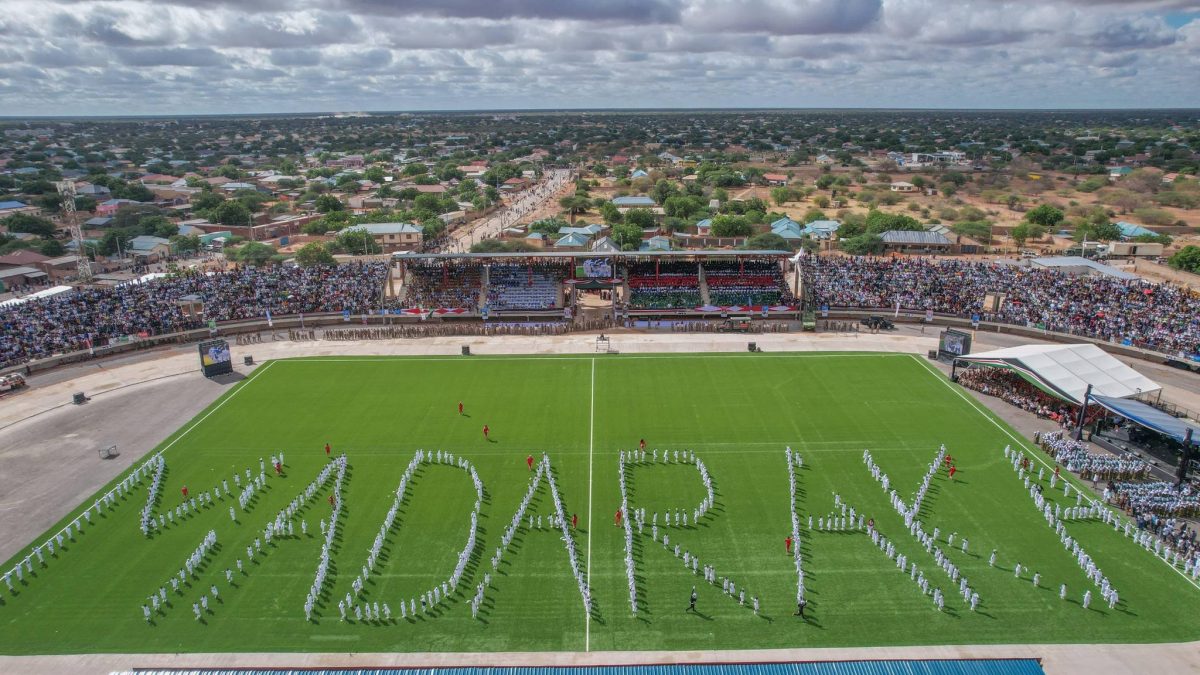
Thousands of residents gathered at the newly constructed Wajir Stadium as President William Ruto led the nation’s 63rd Madaraka Day celebrations.
The decision to take the celebrations to Wajir has been widely viewed as a symbol of inclusion and national unity.
For decades, Northern Kenya was often perceived as being on the margins of national development.
Hosting a major national event in the region signals its growing importance within Kenya’s social, economic and political landscape.
Ruto’s message
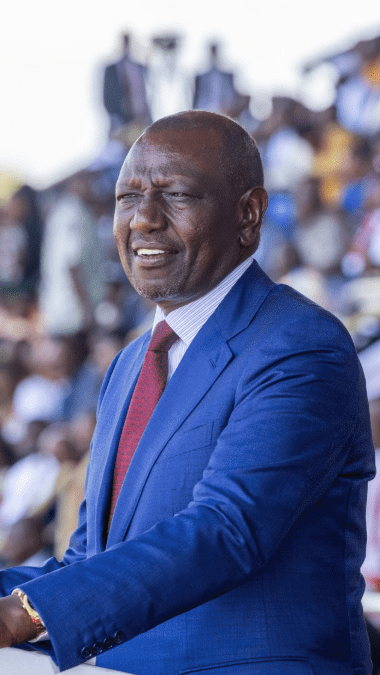
Speaking during the celebrations in Wajir, President William Ruto acknowledged what he described as years of exclusion and neglect faced by Northern Kenya.
“Poleni sana ndugu zetu. It was never meant to be this way. This has been a very emotional moment for me,” the President said during his address.
He stated that the decision to hold Madaraka Day in Wajir was deliberate and intended to demonstrate a commitment to ensuring that all regions of Kenya are included in national development.
The President further emphasised his administration’s focus on equal development opportunities, infrastructure improvement and expanded access to public services across historically marginalised regions.
Why it matters
More than six decades after Kenya attained self-rule, Madaraka Day remains one of the country’s most important national commemorations.
It serves as a reminder of the sacrifices made by those who fought for political representation, self-governance and freedom.
The holiday also provides an opportunity for Kenyans to reflect on the nation’s progress, challenges and aspirations for the future.
Whether celebrated in Nairobi, Wajir or any other county, the message remains the same: June 1 marks the day Kenya began governing itself and took a decisive step towards becoming the independent nation it is today.