What is El Niño and how does it affect Kenya’s weather?
By Katemarthason Okudo, July 27, 2026Every few years, weather patterns across the world shift in ways that can bring unusually heavy rain, flooding or, in some regions, drier conditions. One of the main drivers behind these changes is a climate phenomenon known as El Niño.
According to the World Meteorological Organisation (WMO), El Niño is a naturally occurring warming of sea surface temperatures in the central and eastern Pacific Ocean. Although it begins thousands of kilometres away from Kenya, it has a strong influence on weather across many parts of the globe, including East Africa.
El Niño does not occur every year. It typically develops every two to seven years and can last between nine and 12 months, although some events continue for longer. Weather experts monitor ocean temperatures months in advance, making it possible to issue early warnings before their effects are fully felt.
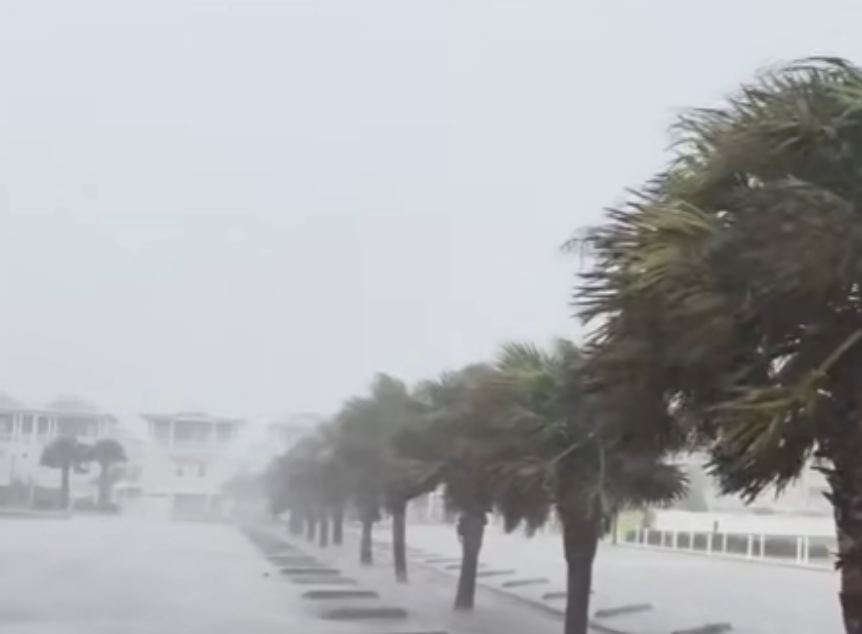
For Kenya, El Niño often means above-average rainfall, especially during the October to December short rains, although the exact impact varies from one event to another. The country has historically experienced enhanced rainfall during many El Niño events, particularly in the short-rains season. In some years, the long rains between March and May can also be influenced, depending on other climate conditions affecting the region.
How El Niño affects Kenya
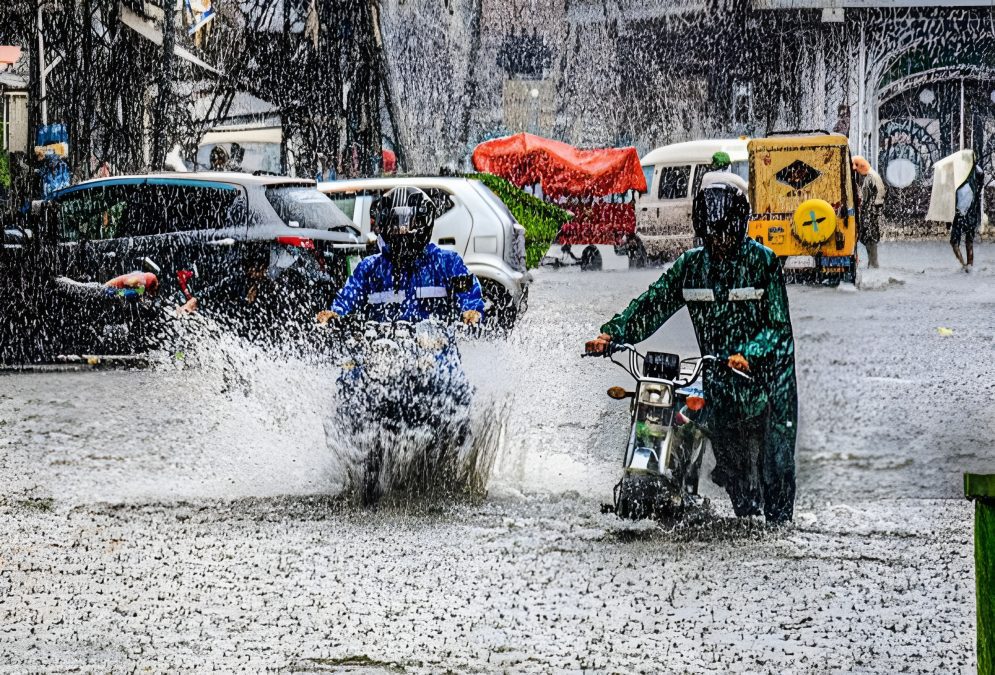
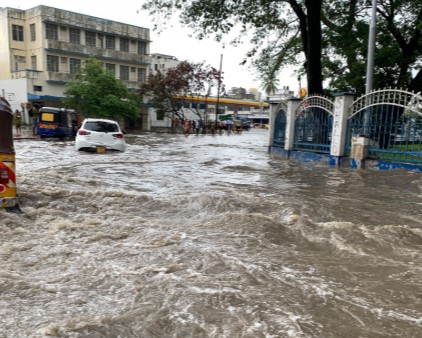
When El Niño occurs, many parts of Kenya experience heavier and more frequent rainfall than usual. Rivers may overflow, roads become impassable and low-lying areas face a higher risk of flooding.
The increased rainfall can also trigger landslides in hilly regions, damage homes and infrastructure, and interrupt transport networks. Schools and businesses may also be affected when roads become flooded or bridges are washed away.
In urban areas, blocked drainage systems can worsen flooding, leading to property damage and disruptions to daily life. Rural communities may also experience challenges accessing markets and healthcare facilities due to damaged roads.
Heavy rains can also increase the risk of waterborne diseases such as cholera and typhoid if clean water supplies become contaminated. Flooding can compromise sanitation systems and contaminate drinking water, increasing the spread of diseases. Standing water after prolonged rainfall may also create breeding grounds for mosquitoes, raising the risk of malaria in affected areas.
Are there any benefits?
Despite the challenges it can bring, El Niño can also have some positive effects.
The extra rainfall may replenish rivers, dams and reservoirs that supply homes, farms and industries with water. It can also improve pasture for livestock and support crop production in areas that have experienced prolonged dry conditions.
According to the Food and Agriculture Organization (FAO), increased rainfall can improve soil moisture, support crop growth and enhance grazing land where rainfall has previously been below average. Hydroelectric power generation may also benefit when water levels in dams increase, helping to improve electricity supply. Wildlife habitats and wetlands can also recover after receiving sufficient rainfall, helping restore ecosystems affected by previous dry spells.
Staying prepared during El Niño
Weather experts encourage households, farmers and local authorities to prepare early whenever forecasts indicate a likely El Niño event.
The Kenya Meteorological Department advises the public to keep track of seasonal weather forecasts and official updates whenever there is a possibility of El Niño. Simple measures such as clearing drainage systems, avoiding flooded roads, protecting important documents and following official weather advisories can significantly reduce risks.
Farmers are also encouraged to plan their planting seasons carefully, improve drainage in their fields and use weather forecasts to guide farming decisions. Families living in flood-prone areas are advised to have emergency supplies, including clean drinking water, basic medicines, flashlights and important documents stored safely in waterproof containers.
Why weather information matters
Understanding El Niño helps people make informed decisions before heavy rains arrive. While the phenomenon cannot be prevented, its impacts can be managed through early planning, reliable weather forecasts and community preparedness. Following updates from the Kenya Meteorological Department, which regularly issues seasonal forecasts and weather advisories, can help individuals and communities prepare for changing weather conditions before they become severe.