Advertisement
Murkomen: About 160,000 public servants are alcohol addicts
13th January, 2026 12:27 AM

Interior Cabinet Secretary Kipchumba Murkomen has revealed that alcohol addiction is a widespread challenge within Kenya’s public service, estimating that about 160,000 public servants are struggling with alcohol dependence.
Speaking during an interview with a local TV station on Monday, January 12, 2026, Murkomen urged Kenyans to view addiction as a health condition rather than a moral failure, noting that addicts require treatment and support, not blame.
“I used to get angry when I saw a relative addicted, until someone once told us that when a person becomes an addict, that is a patient. You don’t blame them for being addicted; you look for solutions for them,” Murkomen said.
The CS disclosed that the problem has also affected the National Police Service, with a number of officers battling addiction. He said the government has already taken steps to address this by enrolling affected officers in rehabilitation programmes.
“We have a number of police officers who are addicts, and we have moved a number of them to rehabilitation centres. I agree with those who say that in a number of police stations you will find an addict police officer, and some have gone through the process and recovered successfully,” he added.
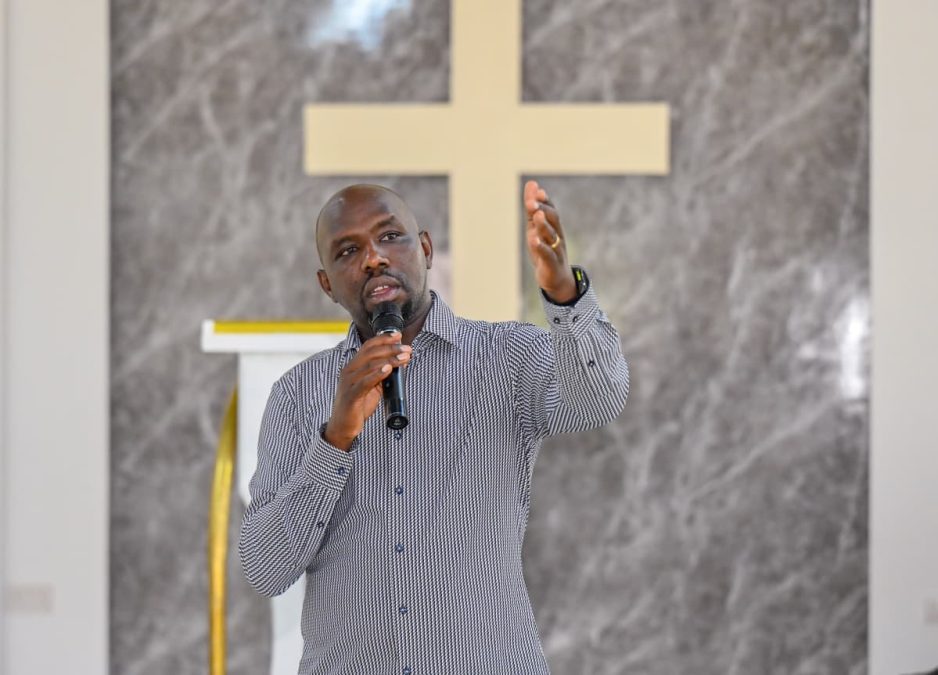
Murkomen emphasized that substance abuse is not limited to the police or lower cadres of public service. He described it as a cross-cutting issue affecting all levels of society, including senior government officials and professionals.
“The addiction is not at the level of the police only. About 160,000 public servants are addicted to alcohol. That includes people in high offices , politicians, Members of Parliament, MCAs, CEOs of companies,” he said.
He added that while details of rehabilitation cases remain confidential, visits to rehab centres reveal a wide range of professionals seeking help, including lawyers, engineers and doctors who have acknowledged their addiction and taken steps towards recovery.
“In some of the rehabs, of course these are confidential matters, you will find people who have become stronger after accepting their situation, lawyers, engineers, doctors who were addicted before and have sought help. These are the courageous ones,” Murkomen noted.
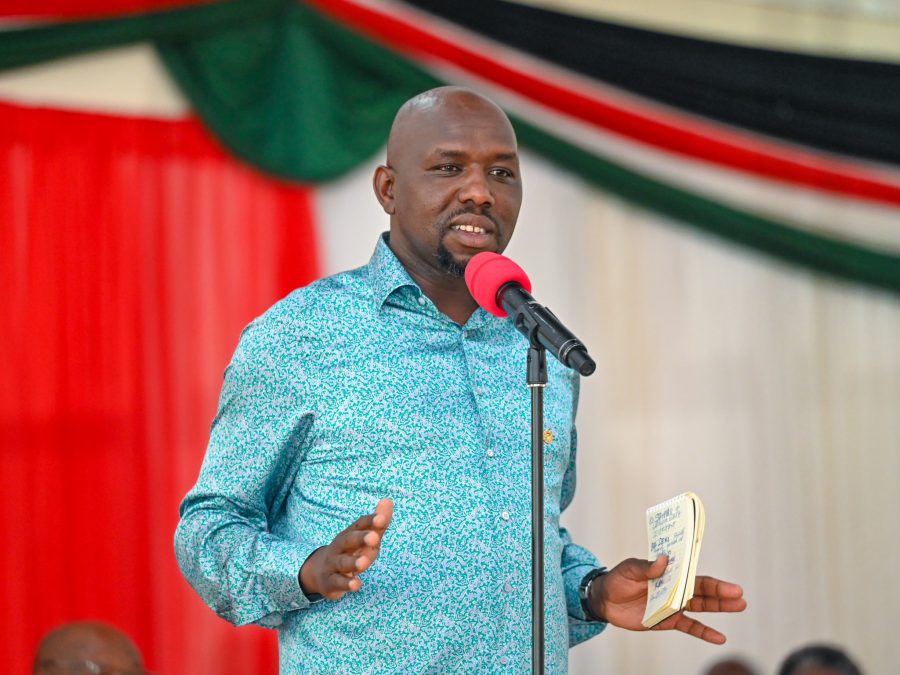
The Interior CS warned that many families continue to suffer in silence due to addiction, stressing that the problem cuts across economic and social classes.
“This is not just a problem of the poor; it is also a problem of the rich. In fact, sellers of manufactured drugs target children from well-to-do families,” he said.