Kenya Met: Weather forecasts have become more accurate and reliable
By Nancy Marende, January 26, 2026The Kenya Meteorological Department (KMD) has reaffirmed the critical role of accurate and reliable weather forecasts in safeguarding lives, protecting property, and conserving the natural environment, as climate-related risks continue to intensify across the region.
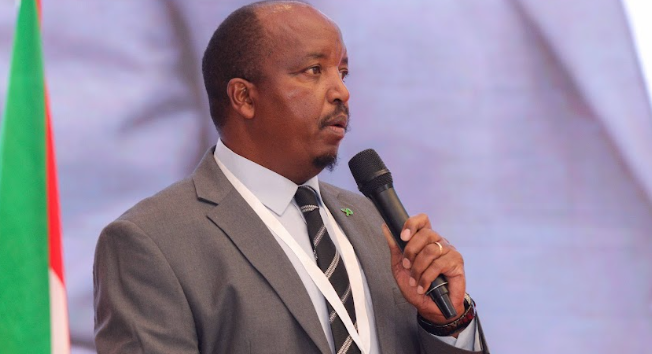
Speaking during the official opening of the 72nd Greater Horn of Africa Climate Outlook Forum (GHACOF 72) in Nairobi on Monday, January 26, 2026, KMD Director Edward Muriuki noted that weather and climate forecasts across the Greater Horn of Africa have significantly improved in accuracy and reliability.
“I am glad to note that our forecasts as a region have become more accurate and reliable and are now being used at national and subnational levels for planning and decision-making,” he stated.
He emphasised that the Kenya Meteorological Department, together with other National Meteorological and Hydrological Services (NMHS) in the region, remains committed to continuously providing timely and accurate weather and climate information.
According to him, the commitment is essential for the safety of life, the protection of property, and the conservation of the environment at the national level and at the grassroots through county meteorological offices.
Further, Muriuki explained that KMD’s work is reinforced through National Climate Outlook Forums (NCOFs) and Participatory Scenario Planning (PSP) workshops, which are held immediately after the Regional Climate Outlook Forums.
Enhanced policy and planning processes
According to the KMD Director, the co-produced climate products from these forums have significantly enhanced policy and planning processes at both national and county government levels.
They have also strengthened community capacity to cope with climate-related challenges by supporting early planning and preparedness.
“Collaboration and partnership remain our core means of delivering weather and climate information to the people of Kenya, and this approach is replicated across the Greater Horn of Africa member states,” he said.
On his part, the Deputy Executive Secretary of the Intergovernmental Authority on Development (IGAD), Mohamed Abdi Ware, highlighted the progress made through the IGAD Climate Prediction and Applications Centre (ICPAC).
He said ICPAC, working closely with national meteorological services, line ministries, the World Meteorological Organisation (WMO), and development partners, has strengthened regional climate prediction, monitoring, and user-oriented climate services.
“GHACOF remains central to this effort, serving as a mechanism for co-producing seasonal climate outlooks and translating climate information into actionable guidance for key sectors.”
Additionally, Environment and Climate Change Principal Secretary Festus Ng’eno stated that accurate climate information enables governments, communities, and the private sector to anticipate risks, plan ahead, and take early action.
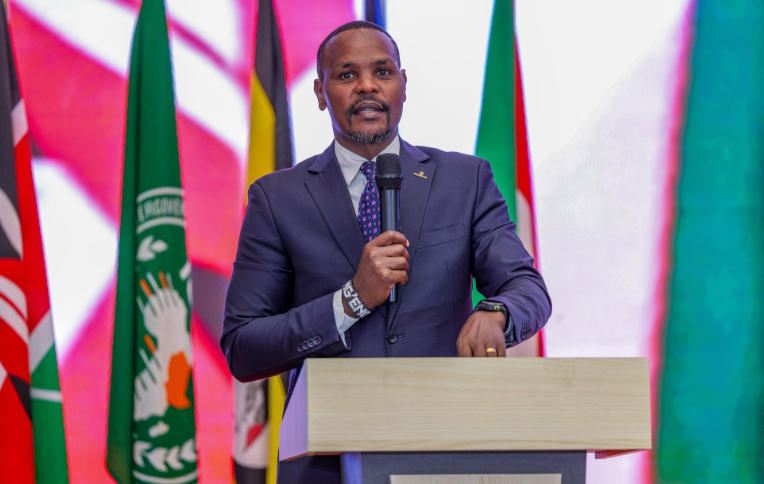
“Climate services support farmers to make informed farming decisions, pastoralists to manage grazing and mobility, health systems to anticipate disease outbreaks, energy planners to optimise power generation, and disaster management agencies to take early action to protect lives and livelihoods,” Ng’eno said.