Advertisement
Iran names Khamenei’s son as new supreme leader after father’s killing
09th March, 2026 01:45 AM
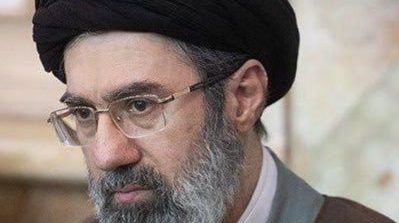
Iran has named Mojtaba Khamenei as its new Supreme Leader, just over a week after the assassination of his father, Ayatollah Ali Khamenei, in the United States and Israeli strikes that plunged the region into a wider war.
The 56-year-old, who will now be tasked with leading the Islamic Republic through the biggest crisis in its 47-year history, was named by clerics as his father’s successor on Sunday.
Mojtaba Khamenei has never run for office or been subjected to a public vote.
However, for decades, he has been a highly influential figure within the inner circle of the supreme leader, cultivating deep ties with the powerful Islamic Revolutionary Guard Corps.
In recent years, he had increasingly been mentioned as a possible successor to his father.
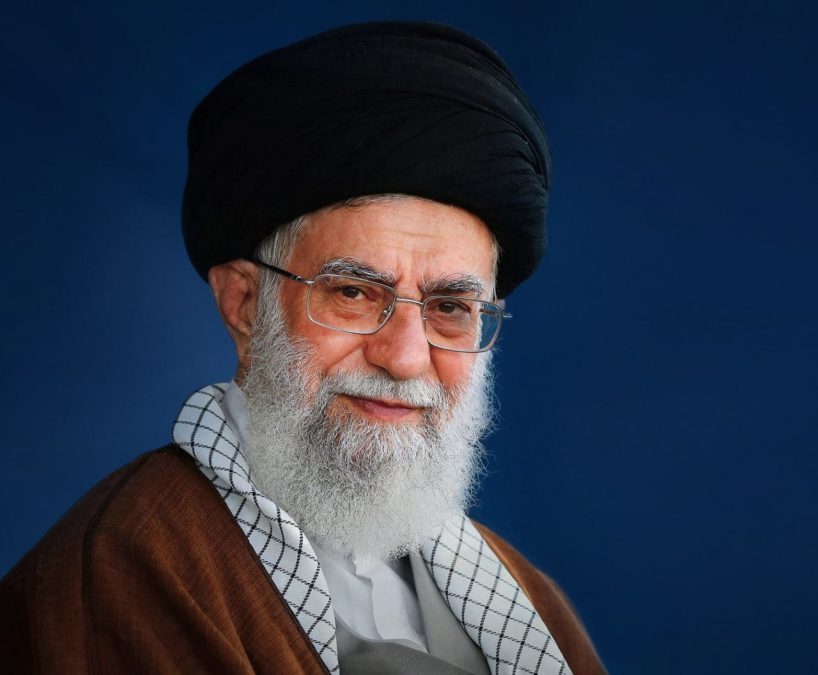
His selection could signal that more hardline factions within Iran’s establishment still hold power. It may also indicate that the government has little desire to enter negotiations in the short term as the war enters its second week.
Analysts say Mojtaba Khamenei has long been seen as closely aligned with his father’s policies, particularly regarding relations with the United States and Israel.
Observers expect a confrontational leadership style, although some believe that if the war eventually ends and stability returns, the new leader may have an opportunity to explore different diplomatic paths for Iran.
Rami Khouri, a Distinguished Public Policy Fellow at the American University of Beirut, said the appointment suggests continuity within Iran’s political system. He noted that it remains unclear whether the new Supreme Leader will push for negotiations aimed at ending the war.
He added that the appointment could also be viewed as an act of defiance. According to Khouri, Iran appears to be sending a message to its adversaries that the political system remains intact and may even become more hardline following the assassination of the previous leader.
Heidari Alekasir, a member of the Assembly of Experts tasked with selecting the country’s Supreme Leader, said the candidate had been chosen based on the late Khamenei’s view that Iran’s top leader should be feared by enemies rather than praised by them.
The 88 member Assembly of Experts had earlier indicated it had reached a majority consensus on a successor without publicly naming the individual.
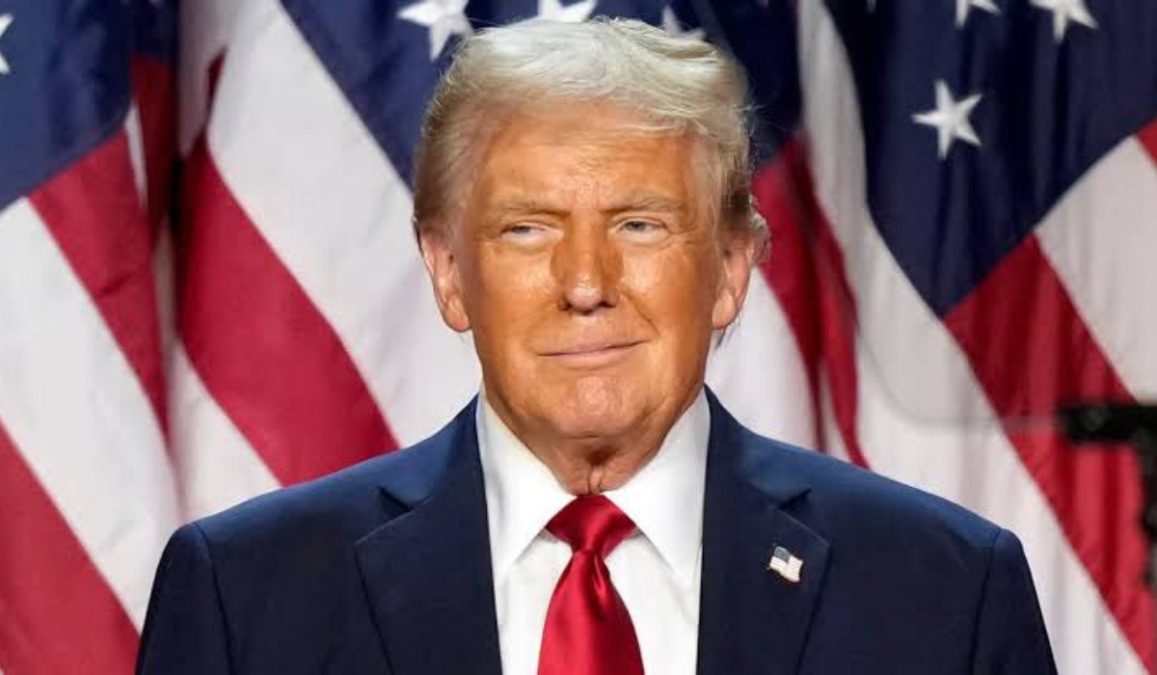
Ali Khamenei ruled Iran for 37 years after succeeding Ayatollah Ruhollah Khomeini, the leader of the 1979 Iranian Revolution. He was killed in a United States and Israeli strike on Tehran on February 28, at the start of the conflict that has since escalated across the Middle East.
The Israeli military has warned that it could target any replacement for Khamenei. Meanwhile, United States President Donald Trump said the conflict might only end once Iran’s military and ruling structure are dismantled.
Trump also suggested that Iran’s next leader would struggle to remain in power without approval from the United States.
Iranian officials rejected the suggestion, insisting that only the Iranian people can determine the future leadership of their country.
Iran’s Parliament Speaker Mohammad Bagher Ghalibaf also dismissed the remarks, saying that the fate of Iran will be decided by the Iranian nation alone.