Advertisement
How well cancer treatment works may depend on the time of day you get it
09th February, 2026 06:04 PM
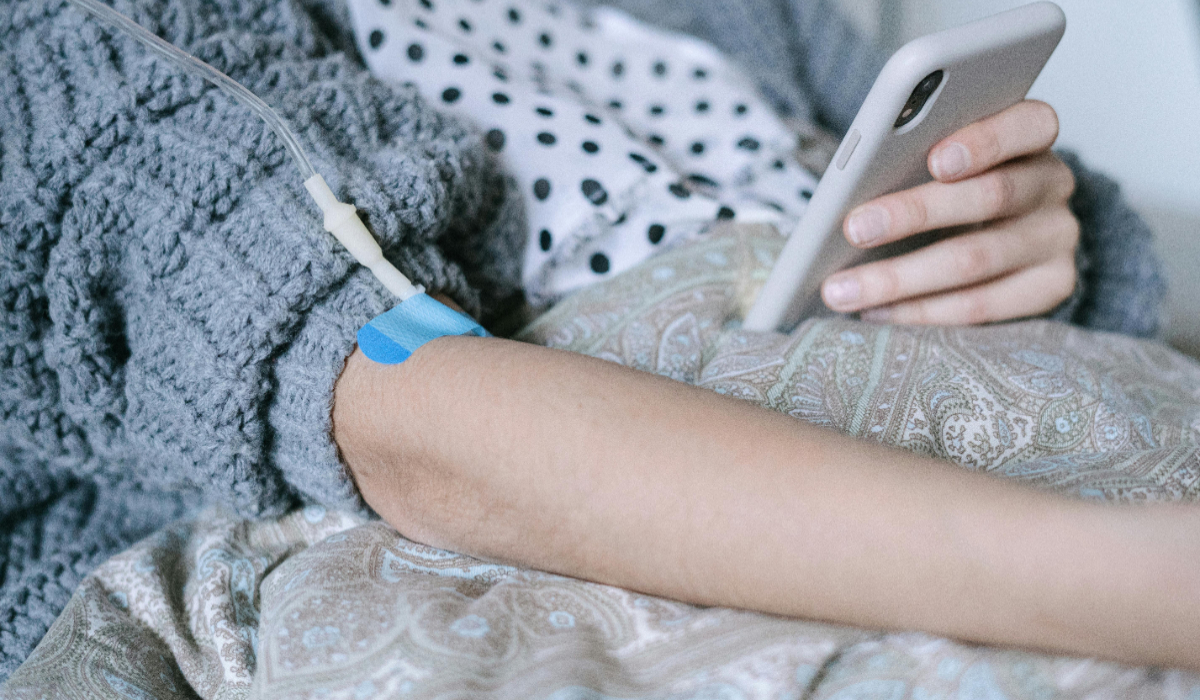
Researchers recently tried an experiment: Gather people who had the same kind of lung cancer and put them on the same type of treatments to fire up their immune systems. The only difference was that half the group got their medications earlier in the day, before 3 p.m., and the other half got them later.
The surprise finding was that the time of day made a difference: Patients who got their first rounds of treatments in the morning had, on average, about five more months before their cancers grew and spread, a measure doctors call progression-free survival — and they lived almost a year longer than those who got their treatments later. They also had better odds of being alive at the end of the study, which has been running for more than two years.
Researchers have long studied the body’s clock, its circadian rhythm, which governs a host of biological functions, including the release of hormones, when we feel hungry or tired, body temperature, blood sugar and blood pressure. There are dozens, if not hundreds, of smaller clocks under the control of this master clock at work in cells and tissues.
More recently, scientists who study these body clocks have discovered that the immune system seems to be exquisitely sensitive to timing.
Evidence is mounting that timing may influence how protective vaccines are and the odds of adverse events after heart surgery. One study found that valve replacement surgery was less risky for patients when it was performed in the afternoon, for example.
The new study, led by researchers in China, was the first to test something that other groups had documented in observational studies. Previous research that looked back at when melanoma and kidney cancer patients received their treatments had reached strikingly similar conclusions: Cancer patients appeared to get far more benefit from immunotherapy drugs when they received them earlier in the day.
Although many experts are excited about the new findings, they’re approaching them with caution.
The results are “exceptionally compelling,” said Dr Zach Buchwald, an oncologist at Emory University’s Winship Cancer Institute who was not involved in the research. “If this were a new drug, they would be hailed far and wide as having discovered something revolutionary.”
But there are questions about why the time of day would be so impactful when immunotherapies are active in the body for weeks after they’re given through IV infusion. The study authors say it’s a valid question and one they can’t answer yet.
“This is possibly the most controversial finding in immune-oncology,” Dr Paolo Tarantino, a breast medical oncologist at Dana-Farber Cancer Institute and Harvard Medical School in Boston, posted on X. “The effect size is hard to believe. Though [randomised-controlled trials] are hard NOT to believe. We need a coordinated effort … to investigate this.”
The study’s authors want that to happen, too.
Testing timing in cancer treatment
The new study, published this week in the journal Nature Medicine, enrolled 210 patients who were diagnosed with non-small-cell lung cancers. The patients were evenly split into two groups and randomly assigned to get their first rounds of immunotherapy treatments either before or after 3 p.m.
The time cutoff was chosen because previous studies had suggested that the immune system may slow down for the day between 2 and 3 p.m.
After the researchers followed the patients for more than 28 months, the effects on cancer progression and survival were pronounced.
The patients in the early treatment group survived nearly a year longer, on average, than those who got those same medications after 3 p.m.
Why treatment timing may matter
Long before trying this in humans, Scheiermann conducted carefully controlled experiments to understand the different clocks that govern parts of the immune system in mice.
Mice and humans are not the same. But those preclinical studies uncovered how T cells, specialised white blood cells that are programmed to recognize and exterminate threats like cancer, are more active in the morning.
Scheiermann found that these specialised cells also cycle in and out of tumours throughout the day.
Cancer is clever, however, and knows how to switch off these powerful fighters. Cancer cells make a protein that effectively puts T cells to sleep and prevents them from attacking tumours.
Your body’s exquisitely fine-tuned clock
“Every layer of the immune system seems to have a biological rhythm,” said Dr Jeffrey Haspel, a pulmonologist at Washington University in St. Louis who studies circadian rhythms in critically ill people. His team found that CAR-T therapy – specially programmed T cells that fight blood cancers such as leukaemia and lymphoma – also seems to work better and have fewer side effects when given in the morning.
“The very first encounter between the tumour and the drug and the T cell, that first-contact situation, may actually matter a lot to the long-term success,” said Haspel, who was not involved in the new research.
Other kinds of cancer drugs may be sensitive to timing, too. A 2021 study found that half of 126 anticancer drugs screened fought cancer more effectively at certain times of the day, said study author Dr Amita Seghal, who directs the Chronobiology and Sleep Institute at the University of Pennsylvania’s Perelman School of Medicine. She was not involved in the new research but said it’s “exciting work.”
Haspel says he understands the caution around the study findings. Scheduling patient care is difficult, and doctors wouldn’t want to reorient the entire system unless there was a good reason to do it.