Chaos in Nairobi CBD as police fire tear gas at protesting traders
By Valerian Khakayi, August 28, 2026Small-scale traders took to the streets in Nairobi on Friday, August 28, 2026, to protest against new taxes they said were negatively affecting their businesses.
The traders marched through parts of the Nairobi CBD towards the Kenya Revenue Authority (KRA) offices at Times Tower to present their grievances.
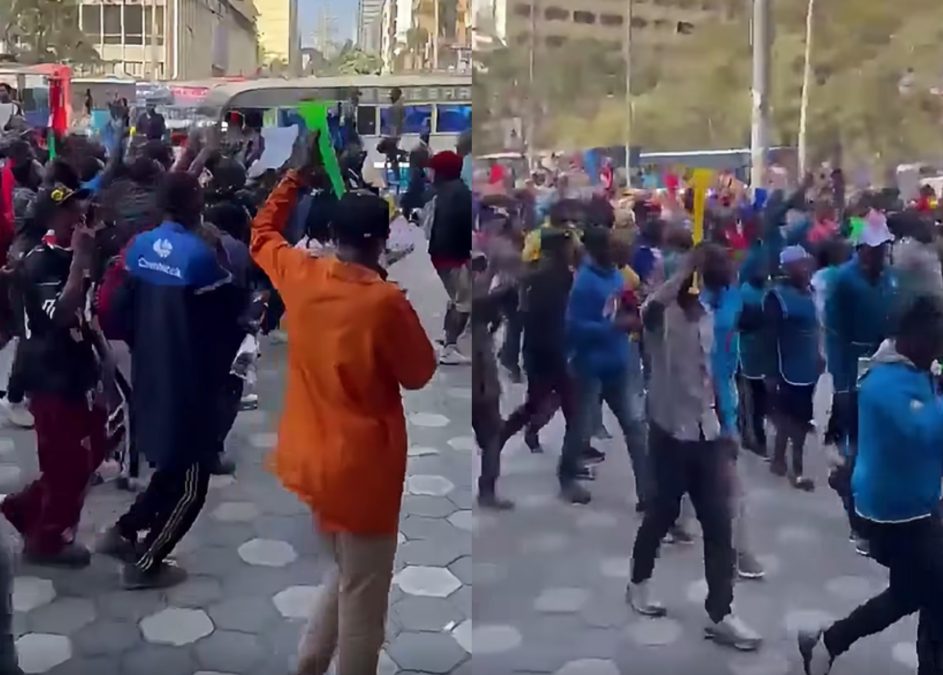
However, the protest was disrupted after police officers moved in and lobbed tear gas to disperse the demonstrators along Parliament Road and Kenyatta Avenue.
The confrontation briefly disrupted movement along the two roads as traders scattered while police heightened security in the area.
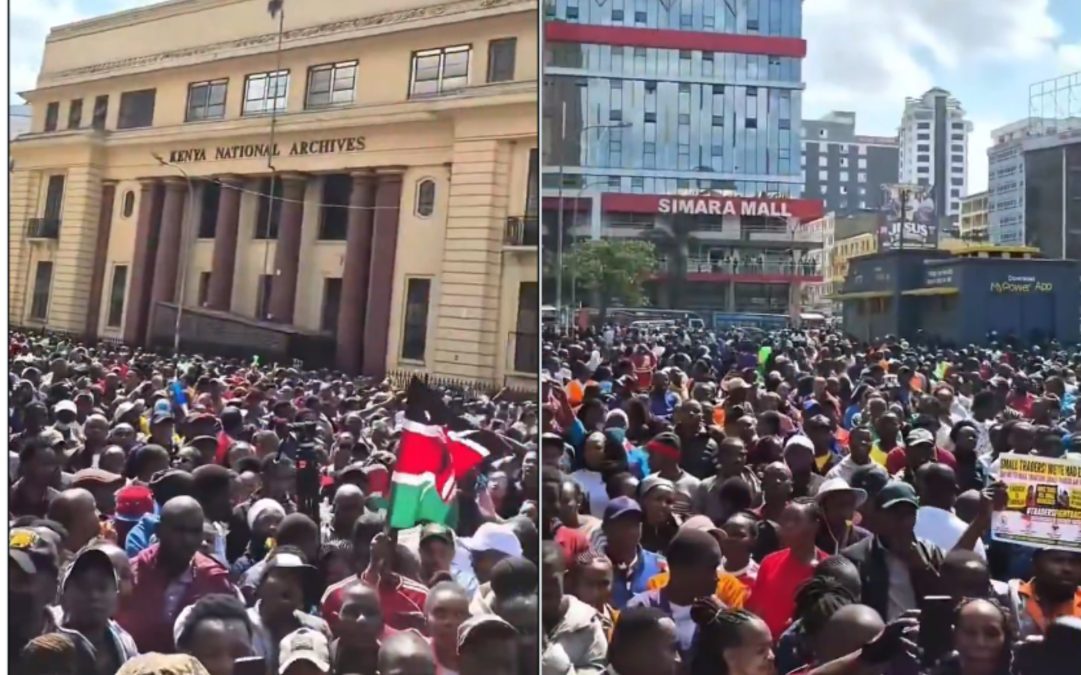
Videos seen by K24 Digital showed the small-scale traders holding placards and blowing vuvuzelas as they marched through the streets. The demonstrations brought activities in parts of the CBD to a standstill, with most businesses remaining closed during the protests.
The traders said they were opposed to the latest tax measures and called for government action over concerns about their impact on their businesses.
KRA’s new tax law
The traders are particularly protesting KRA’s decision to raise the minimum yield for containers carrying general consolidated cargo from Ksh2.5 million to Ksh3.2 million, effective August 21, 2026.
KRA clarified the new requirement on Thursday, August 27, following concerns raised by small-scale traders.
The Authority maintained that cargo consolidation remains an important option for traders, as it allows them to pool shipments, access more affordable logistics and simplify the customs clearance process.
Under the new requirement, Customs will continue using a minimum yield test as a reference when clearing containers carrying commonly imported general goods.
KRA said customs duty is assessed based on the transaction value of goods, in line with the East African Community Customs Management Act and international customs valuation rules.
However, traders who do not wish to use the simplified clearance arrangement can request Customs to verify their containers and determine the applicable taxes based on the actual contents, value and classification of their goods.
They can also choose to de-consolidate their cargo into individual parcels, allowing each importer to make their own declaration and pay taxes directly based on their specific goods.
KRA said it would continue supporting legitimate businesses and small-scale traders while improving customs processes and protecting government revenue.