Advertisement
Bomet church members construct road after leaders fail to respond
16th December, 2025 02:44 PM
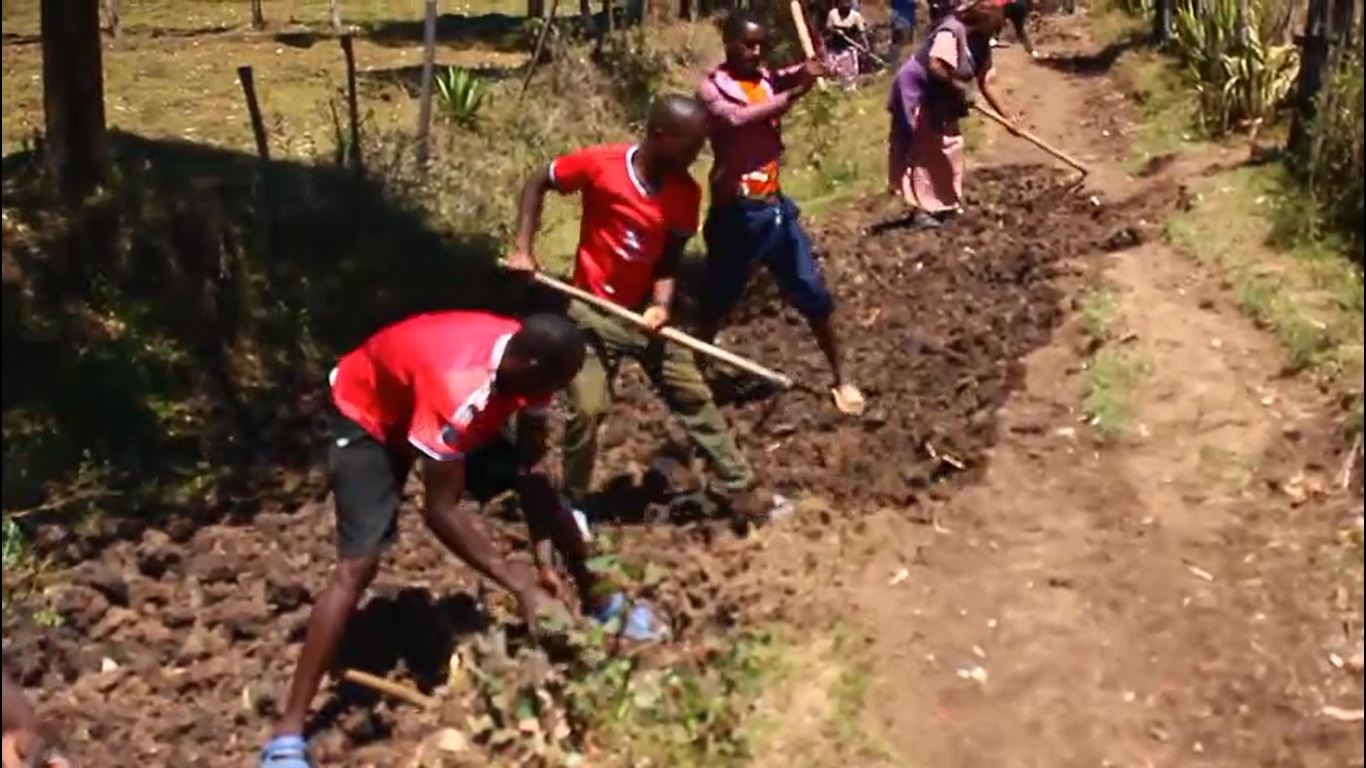
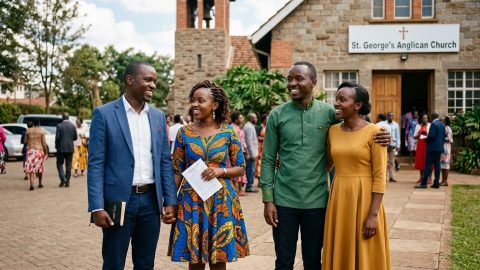
Members of Chepkesui Church of God in Nyongores ward of Chepalungu Sub-County in Bomet, joined by concerned residents, have taken it upon themselves to construct a vital road connecting their community to the main highway.
The group of believers was on Tuesday, December 16, 2025, finalizing the construction of the roughly one-kilometre stretch of road, aimed at improving access to several churches and schools in the area.
Also watch: Police arrest suspect after child dies in Bomet assault
Led by Robert Langat, a resident of Chepkesui, they launched the project after repeated pleas to Bomet County leadership went unanswered.
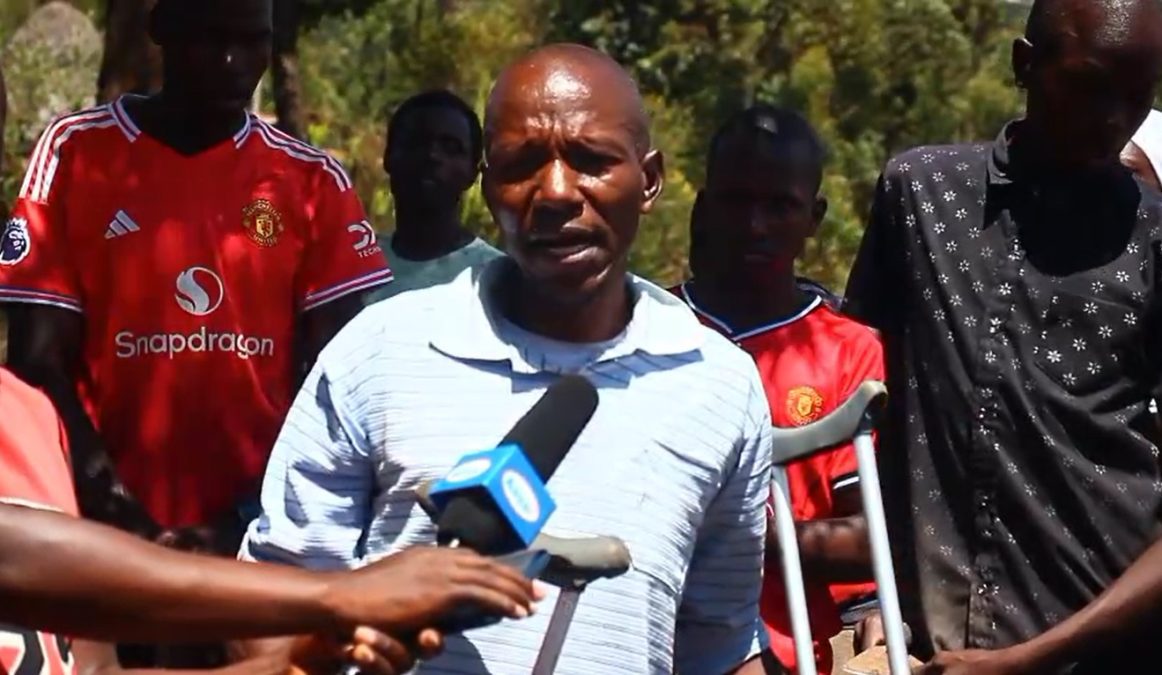
“Today, we decided to come together as residents of these villages and construct this road ourselves because the local leadership has simply ignored our plea for years now,” Langat said.
Langat emphasised a number of difficulties the community has faced, particularly concerning essential development projects.
He noted that they have faced a number of challenges during the construction of the church, saying that they are forced to carry the construction materials for longer distances due to the inaccessibility of the roads connecting them.
“We have been facing several challenges, especially us, the believers, during the construction of the church due to the poor standard of the road connecting the Narok-Kaplong Highway and the church,” Langat noted.
He clarified that residents had to rely on labour-intensive manual labour to transport the materials because the vital link was completely inaccessible to cars for a considerable amount of time.
“We have for a long time relied on our backs to carry construction equipment to the church grounds,” Langat added, stressing that the poor state of the road made it impossible for trucks to deliver necessary building materials.
Also watch: Bomet man arrested for holding schoolgirl captive for three days
Sharon Koech further highlighted the stressful human cost of the poor roads in their community. She noted that the road’s inaccessibility poses a serious threat during emergencies and thus affects basic life.
“During the rainy seasons, we are forced to carry our children on our backs to school,” Koech said.
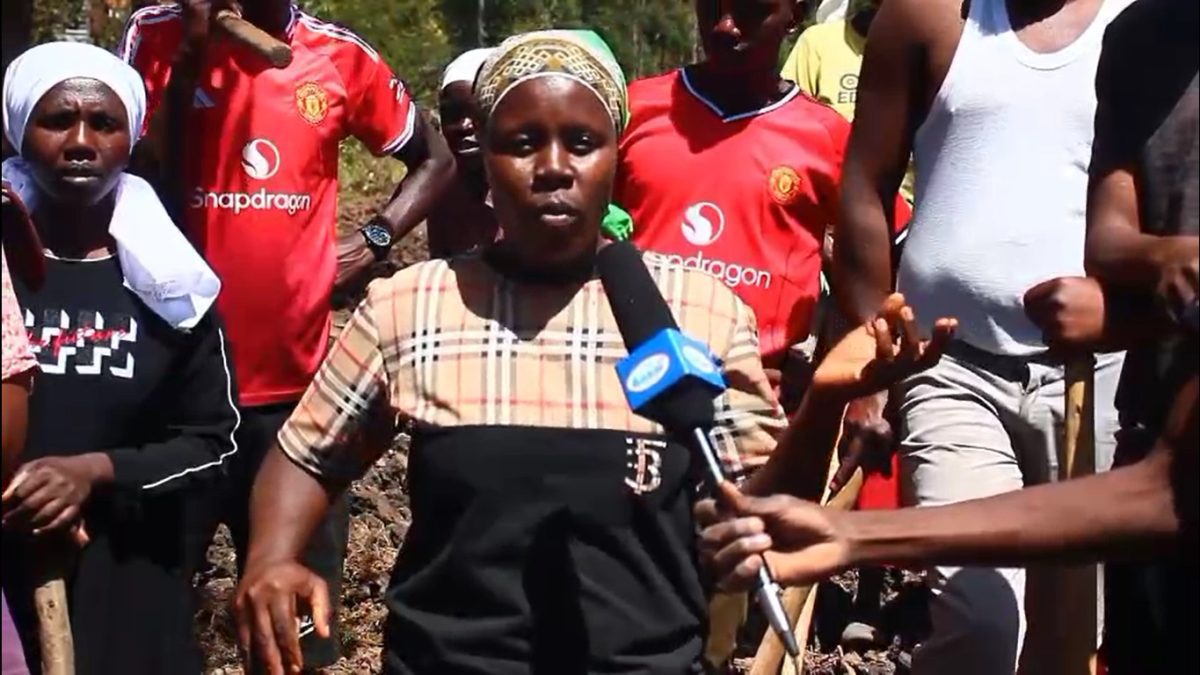
She added, “More critically, when a resident falls ill, the community must resort to physically carrying the sick for long distances to reach the nearest accessible road for transport to a hospital.”
They pointed fingers at their elected local leaders, accusing them of failure to act on their duties.
They claimed that the leaders have repeatedly used the high rainfall as an excuse, promising to start the road project only after the rainy season ended.
“They have been giving us false excuses that they will start the construction once the rains stop,” Koech stated. “But now, the rains have started again, and they did not show up during the entire sunny period.”
Ends