Advertisement
Workout habits that may harm your body
11th March, 2026 03:52 PM
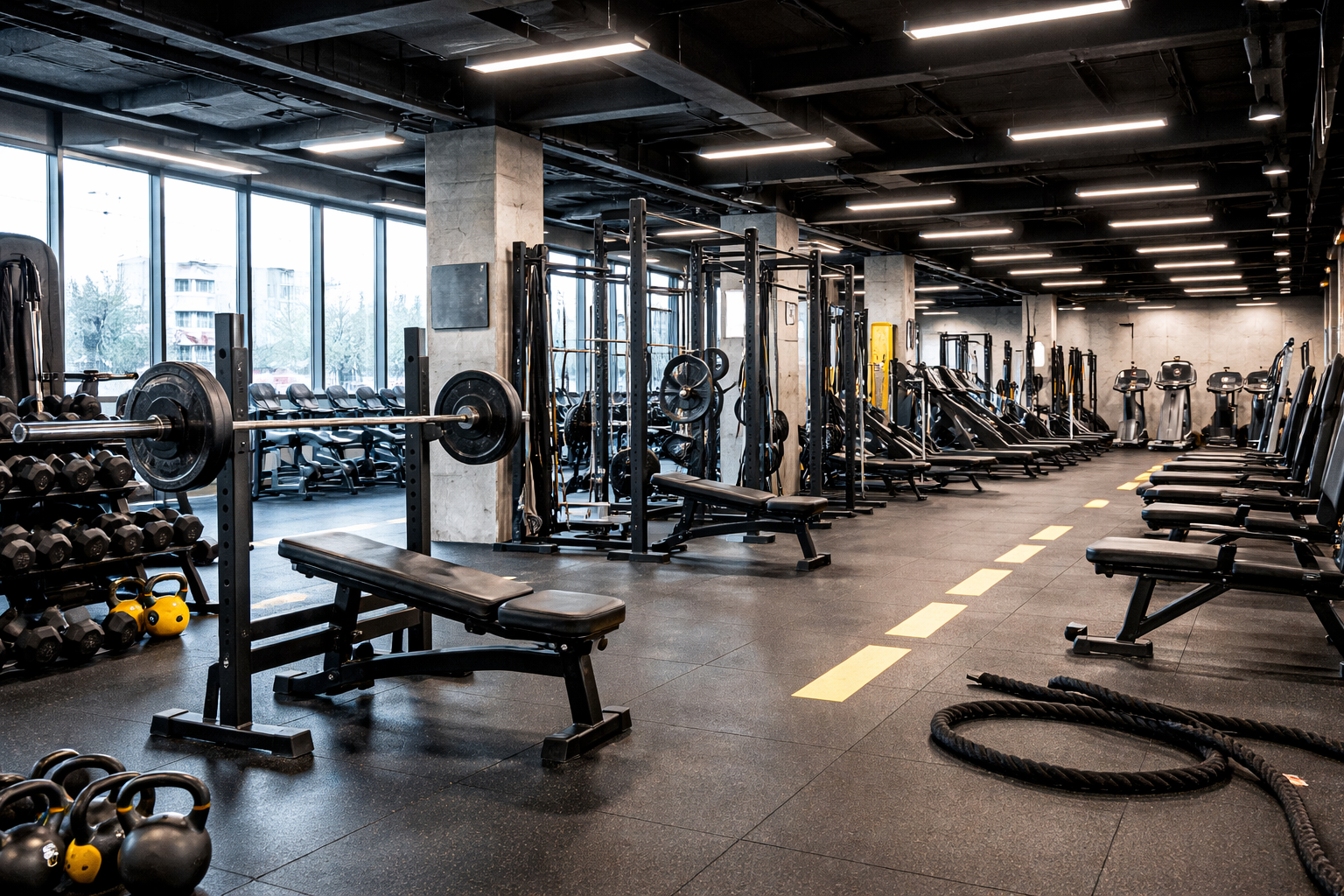
Exercise is widely recommended for maintaining good health. Regular physical activity helps improve heart health, strengthen muscles, manage weight, and support mental well-being.
However, certain workout habits can place unnecessary stress on the body and increase the risk of injury.
Fitness experts and medical professionals often emphasise that how someone exercises is just as important as how often they exercise.
Poor training habits may lead to muscle strain, joint problems, fatigue, or long-term physical damage.
Here are some workout habits that may harm the body if not properly managed.
Skipping warm-up exercises
One of the most common mistakes in fitness routines is starting intense workouts without warming up the body.
A warm-up prepares muscles, joints, and the cardiovascular system for physical activity. It gradually increases heart rate and improves blood flow to the muscles.
This process helps improve flexibility and reduces the risk of muscle tears or ligament injuries.
Without a proper warm-up, muscles remain stiff and less prepared for sudden stress. Activities such as heavy lifting or sprinting can then place excessive strain on the body.
Experts often recommend light activities such as stretching, brisk walking, or low-intensity cycling for several minutes before beginning a workout.
Using incorrect exercise form
Poor exercise technique is another major cause of gym-related injuries. Many people focus on lifting heavier weights or completing more repetitions without paying attention to proper body alignment.
Incorrect form can place pressure on joints, tendons, and the lower back. For example, improper lifting posture during weight training may strain the spine or cause muscle imbalance.
Maintaining correct posture and controlled movements helps distribute weight evenly across muscles. This reduces unnecessary stress on vulnerable parts of the body, such as the knees, shoulders, and lower back.
Learning the correct technique before increasing intensity is essential for long-term safety.
Overtraining without enough rest
While consistency is important in fitness, exercising too frequently without adequate recovery time can harm the body.
During exercise, muscle fibres experience small microscopic tears. The body repairs these fibres during rest periods, making them stronger over time. Without sufficient recovery, muscles remain fatigued and cannot properly rebuild.
Overtraining may lead to symptoms such as persistent muscle soreness, reduced performance, fatigue, and increased risk of injury.
Health professionals often recommend incorporating rest days into workout routines to allow muscles and joints to recover.
Ignoring pain signals
Pain is the body’s natural warning system. Continuing to exercise despite sharp or persistent pain can worsen injuries.
Many athletes and fitness enthusiasts sometimes ignore discomfort in order to push through workouts. However, pain may indicate issues such as muscle strain, tendon inflammation, or joint stress.
Ignoring these signals can lead to more serious conditions that require longer recovery periods.
It is generally advisable to stop exercising if pain occurs and allow the body time to recover. Seeking medical or professional advice may also help prevent long term damage.
Lifting weights that are too heavy
Weight training can strengthen muscles and bones when done correctly. However, lifting weights that exceed one’s physical capacity can be harmful.
Heavy loads may cause improper movement patterns, increasing the likelihood of muscle pulls, joint injuries, or spinal strain.
Gradual progression is considered a safer approach in strength training. Increasing weight slowly allows muscles and connective tissues to adapt over time.
Fitness experts often recommend mastering technique and control before attempting heavier resistance levels.
Not staying hydrated
Hydration plays an important role during exercise. Physical activity increases sweating, which leads to loss of fluids and essential minerals.
When the body becomes dehydrated, it may experience fatigue, dizziness, muscle cramps, and reduced physical performance.
Drinking water before, during, and after workouts helps regulate body temperature and maintain proper muscle function.
For longer or more intense workouts, maintaining fluid balance becomes especially important.
Poor recovery habits
Recovery is an essential part of any exercise routine. Poor sleep, inadequate nutrition, and lack of rest can slow down the body’s ability to repair tissues.
Sleep helps regulate hormones involved in muscle recovery and energy balance. Meanwhile, nutrients such as protein, carbohydrates, vitamins, and minerals support muscle repair and growth.
Without proper recovery, the body remains in a constant state of fatigue, which increases the risk of injuries during training.