Advertisement
Why you develop pimples after shaving beards
20th March, 2026 10:28 PM
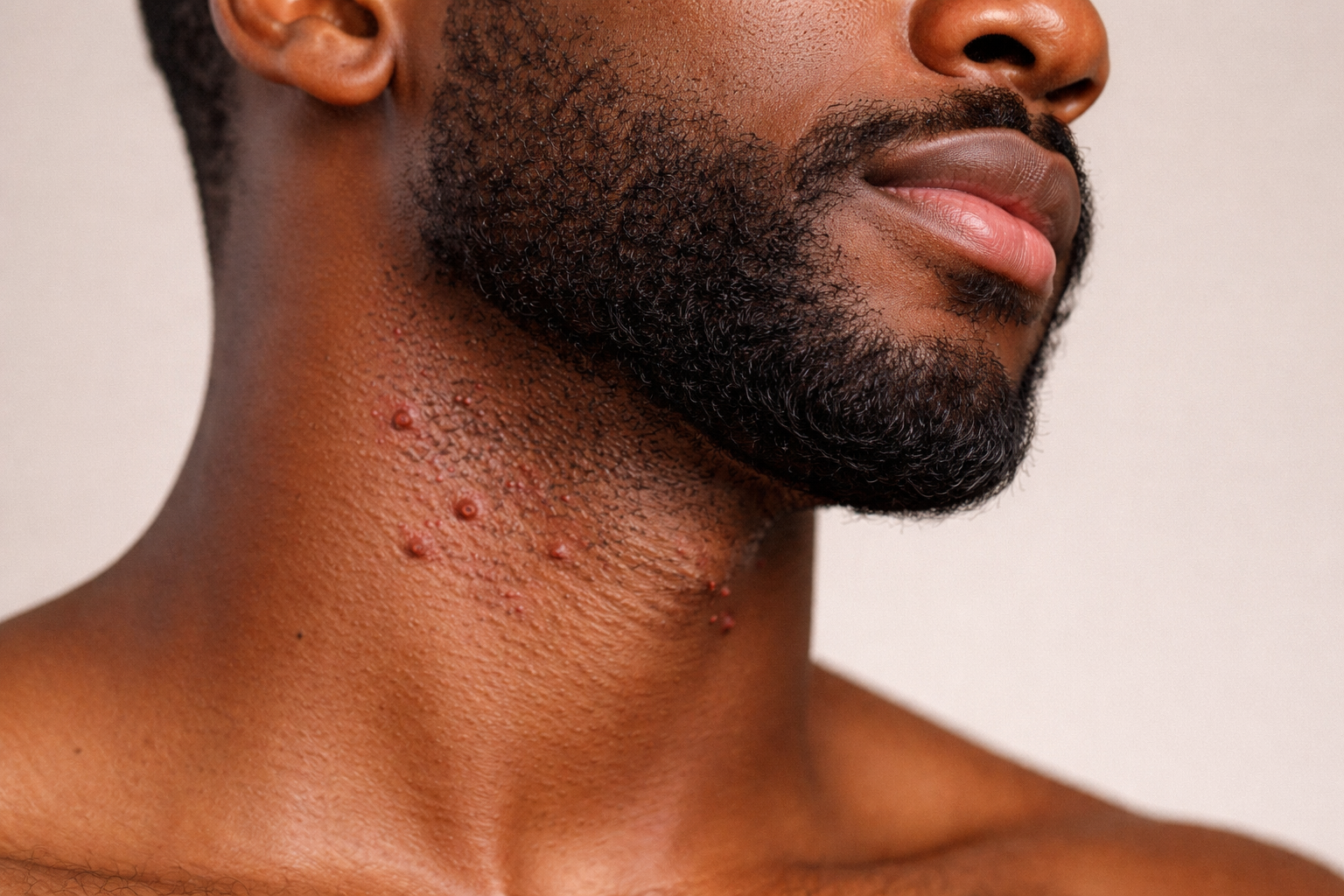
Pimples after shaving the beard are a common skin concern affecting many men. Often referred to as shaving bumps or razor bumps, this condition can cause discomfort, irritation and affect confidence.
Understanding why these pimples appear is the first step towards preventing them and maintaining healthy skin.
What causes pimples?
One of the main causes of pimples after shaving is ingrown hairs. This happens when shaved hair curls back into the skin instead of growing outward.
The body reacts to this as a foreign object, leading to inflammation, redness and small bumps that resemble pimples.
Another major factor is irritation from the razor. Using a blunt blade or shaving too aggressively can damage the skin surface.
This creates tiny cuts that allow bacteria to enter, triggering breakouts. Dirty razors can worsen the situation by introducing germs directly onto the skin.
Clogged pores also play a role. Shaving creams, oils and dead skin cells can block pores if not properly cleaned off. When pores are clogged, sebum builds up, leading to acne-like pimples.
People with sensitive skin are more prone to post-shaving pimples. Their skin reacts quickly to friction, chemicals and minor injuries, increasing the chances of inflammation.
Common mistakes
Many shaving habits unknowingly contribute to pimples.
Shaving against the direction of hair growth may give a closer shave, but it increases the risk of ingrown hairs. Similarly, dry shaving or skipping proper lubrication can irritate the skin.
Over-shaving is another issue. Shaving too frequently does not give the skin enough time to heal, making it more vulnerable to breakouts.
Using products with harsh chemicals or alcohol can also strip the skin of its natural oils, irritating it.
How to prevent pimples
Preventing shaving pimples starts with proper preparation. Always wash your face with warm water before shaving to soften the hair and open pores. Use a clean, sharp razor to reduce friction and avoid skin damage.
Apply a good-quality shaving cream or gel to create a smooth surface. Shave gently in the direction of hair growth and avoid pressing too hard.
After shaving, rinse with cool water to close the pores and apply a mild, alcohol-free aftershave or moisturiser.
Keeping your skin clean is essential. Regular exfoliation helps remove dead skin cells that can clog pores and cause ingrown hairs.
However, avoid over-exfoliating, as it can irritate the skin further.
When to seek help
If pimples after shaving persist or become severe, it may be a sign of a condition such as razor bumps or folliculitis. In such cases, consulting a dermatologist can help you get proper treatment and avoid long-term skin damage.
Understanding your skin type and adopting the right shaving routine can make a significant difference. With the right care, you can enjoy a clean shave without the discomfort of pimples.