Advertisement
Why Kiandutu slum remains Thika’s ticking time bomb
05th April, 2026 04:13 PM
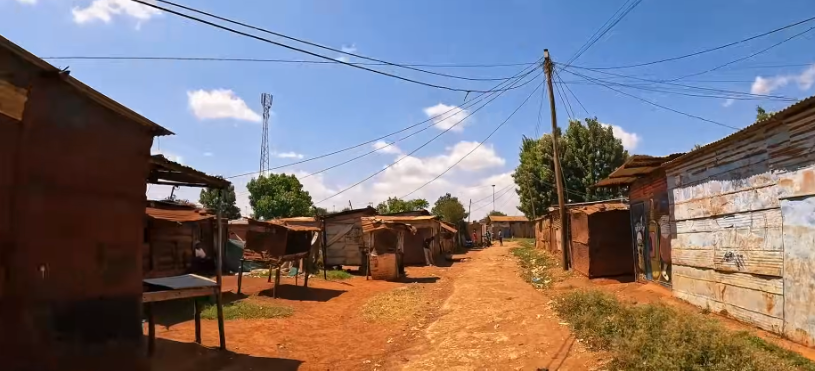
Kiandutu’s story is not just about poverty. It is about pressure building silently over decades.
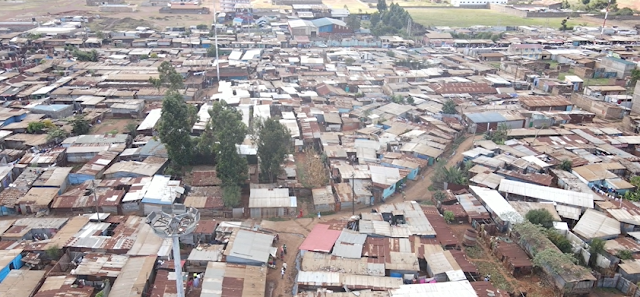
Located just a few kilometres from Thika town centre, the informal settlement has grown into one of the largest slums outside Nairobi, housing tens of thousands of residents within a very limited space.
Estimates place the population between 30,000 and over 50,000 people packed into roughly 100 acres of land.
This density alone creates a dangerous mix of poor sanitation, unemployment and strained infrastructure, making Kiandutu what many experts describe as a “ticking time bomb” if left unaddressed.
Life inside Kiandutu
Daily life in Kiandutu revolves around survival. Most houses are temporary structures made of iron sheets and mud, tightly packed with little to no planning.
Unemployment remains high, largely due to the collapse of industries that once supported Thika’s economy, leaving many residents with unstable or informal income sources.
Access to basic services such as clean water and sanitation is still a major challenge.
Studies have repeatedly flagged poor sanitation as a core issue, with many households lacking proper toilets and relying on shared or unsafe alternatives.
The result is a cycle where poverty feeds poor living conditions, and poor living conditions reinforce poverty.
Drainage and sanitation crisis
One of the biggest threats in Kiandutu is drainage. The settlement lacks proper sewer systems, meaning wastewater and rainwater often flow through open channels or poorly constructed trenches.
During heavy rains, these drainage systems overflow, flooding homes and spreading waste across living areas.
This increases the risk of waterborne diseases and creates a public health hazard.
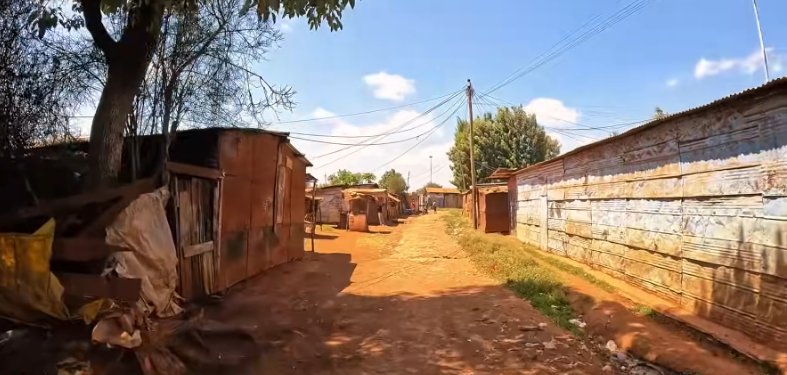
Solid waste management is also a serious issue. Studies show that waste disposal in the area is poorly managed, with garbage often piling up in open spaces.
Combined with stagnant water, this creates an environment where disease can spread quickly, especially in densely populated clusters.
Population pressure and land crisis
Kiandutu’s population continues to grow due to rural to urban migration and its proximity to Thika’s industrial zones.
However, the land remains limited and largely informal. Without proper ownership structures and planning, expansion happens in an unregulated way.
Houses are built closer together, pathways become narrower, and access to emergency services becomes more difficult.
This overcrowding increases risks during fires, floods or disease outbreaks, where evacuation or response becomes nearly impossible.
Why affordable housing alone cannot solve it
Government and county efforts have introduced upgrading projects, including roads, drainage and lighting improvements.
However, affordable housing alone cannot fully address Kiandutu’s challenges.
First, the issue is not just housing structures but the entire ecosystem. Residents need jobs, healthcare, education and proper infrastructure alongside housing.
Second, social and economic ties within the community make relocation difficult.
Many residents rely on informal networks for survival, meaning moving them disrupts livelihoods.
Third, the pace of urbanisation continues to outstrip development. Even as new houses are built, more people move in, recreating the same pressure.
A growing urban risk
Kiandutu remains a major concern for Thika’s future. Its rapid growth, combined with poor infrastructure and limited economic opportunities, makes it a hotspot for health risks, insecurity and environmental hazards.
At the same time, it reflects a broader national issue, where urban expansion is not matched by planning and service delivery.
Without a holistic approach that combines housing, infrastructure, employment and social services, Kiandutu will continue to grow, and the “time bomb” will keep ticking, threatening not just its residents but the wider Thika town as well.