Why holding in a sneeze could do more harm than you think
By Katemarthason Okudo, May 5, 2026We’ve all done it, held in a sneeze during a meeting, in church, or while in a quiet matatu. It feels like the polite thing to do. But health experts warn that stopping a sneeze in the middle may not be as harmless as it seems.
A sneeze is not just a random reaction. It’s the body’s natural way of clearing out irritants like dust, bacteria, or pollen from the nose and airways. According to the Cleveland Clinic, “sneezing is necessary for removing irritants, allergens, and other foreign debris from your sinuses.”
When you block that process, the body doesn’t just stop; it redirects the pressure elsewhere.
Medical experts from Healthline explain that a sneeze carries a surprising amount of force. When you hold it in, the pressure inside your respiratory system can increase several times higher than normal. That pressure has to go somewhere, and sometimes, it can cause harm.
One of the most common risks is ear damage. When a sneeze is suppressed, air can be forced back into the ears through the Eustachian tube. This can lead to infections or even a ruptured eardrum. Pushing infected mucus could cause a middle ear infection. For some people, this may start as discomfort but can develop into a more serious condition if repeated.
There are also risks to the eyes and blood vessels. The sudden build-up of pressure can cause tiny blood vessels in the eyes or nose to burst, leading to redness or mild bleeding. While this may not always be dangerous, it shows just how much force is involved.
In rare cases, the consequences can be more severe. Medical reports have linked holding in a sneeze to throat injuries, chest pain, and even collapsed lungs. According to Healthline medical findings, there have been cases where individuals experienced a “popping sensation” in the throat after trying to stop a sneeze. Though such cases are uncommon, they highlight the potential risks.
Kenyan health experts also caution against ignoring simple body reflexes. The Ministry of Health, Kenya, has consistently emphasised the importance of allowing the body to function naturally while maintaining hygiene, especially in preventing respiratory complications.
Beyond physical injury, holding in a sneeze also means the body fails to remove harmful particles. Instead of being expelled, irritants may travel deeper into the sinuses, increasing the chances of infection.
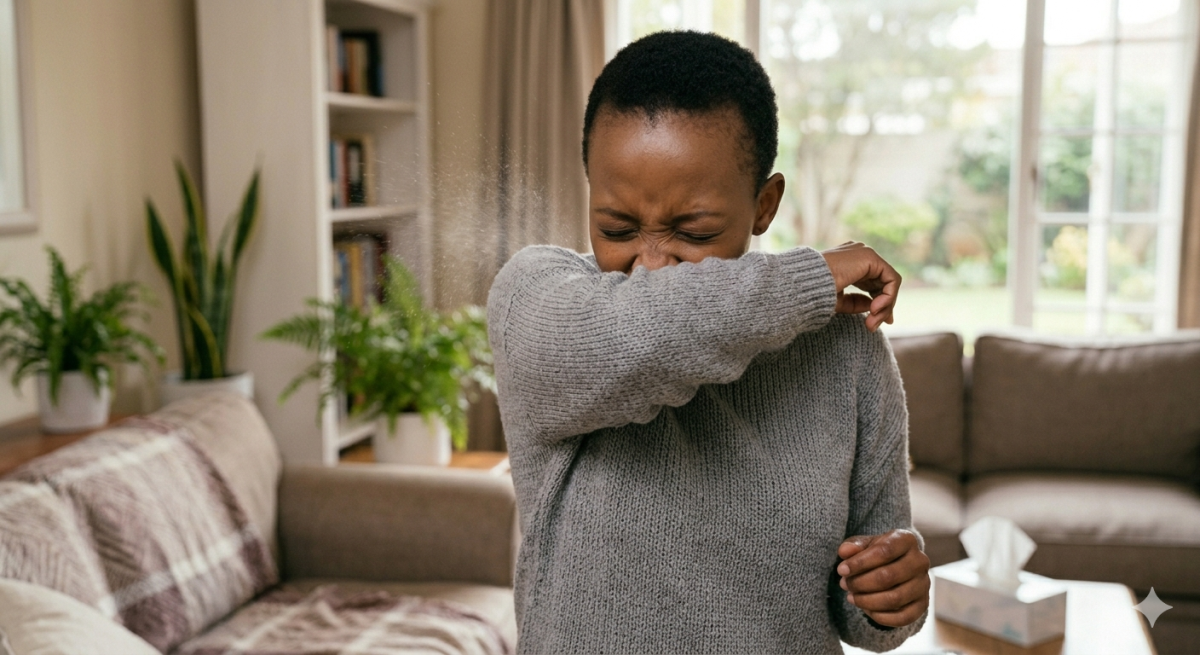
The good news is that you don’t have to choose between being polite and being safe. Experts recommend sneezing into your elbow or a tissue instead of holding it in. This allows your body to do its job while reducing the spread of germs.
It’s also important to pay attention to frequent sneezing. If it becomes persistent, it could be a sign of allergies or another underlying condition that needs attention. A sneeze may feel inconvenient, but it serves a purpose. Stopping it might seem like a small act, but your body is designed to release that pressure, not trap it inside.