Why drinking cold water immediately after a hot meal is not advised
By Katemarthason Okudo, May 13, 2026For many people, nothing feels more refreshing than a glass of cold water after a steaming plate of food. It cools the body, feels satisfying, and often completes a meal. But health experts say the timing and temperature of water after eating may affect how the digestive system responds.
The body’s response to sudden temperature change
Digestion begins the moment food enters the mouth. From there, the body works to break it down using enzymes, stomach acids, and natural heat produced by the digestive process. The digestive system works best when conditions in the stomach remain stable enough for enzymes to function efficiently.
Drinking very cold water immediately after a hot meal introduces a sudden temperature contrast. While this does not “freeze food” as many myths suggest, some nutrition studies note that it can temporarily cause blood vessels in the digestive tract to constrict. This may slightly slow down digestion for some people, especially those who already experience bloating or stomach sensitivity.
Feeling discomfort afterwards
If you have ever felt unusually full, bloated, or slightly uncomfortable after drinking ice-cold water right after a meal, your body may simply be reacting to the abrupt temperature shift.
The digestive system is highly sensitive to both food temperature and eating pace. A sudden intake of very cold liquids can cause the stomach muscles to react, sometimes triggering mild cramping in people with sensitive digestion.
There is also evidence from digestive health specialists at the Cleveland Clinic suggesting that cold drinks may worsen symptoms for people living with acid reflux or indigestion. This is because cold temperatures can sometimes affect how quickly food moves through the digestive tract.
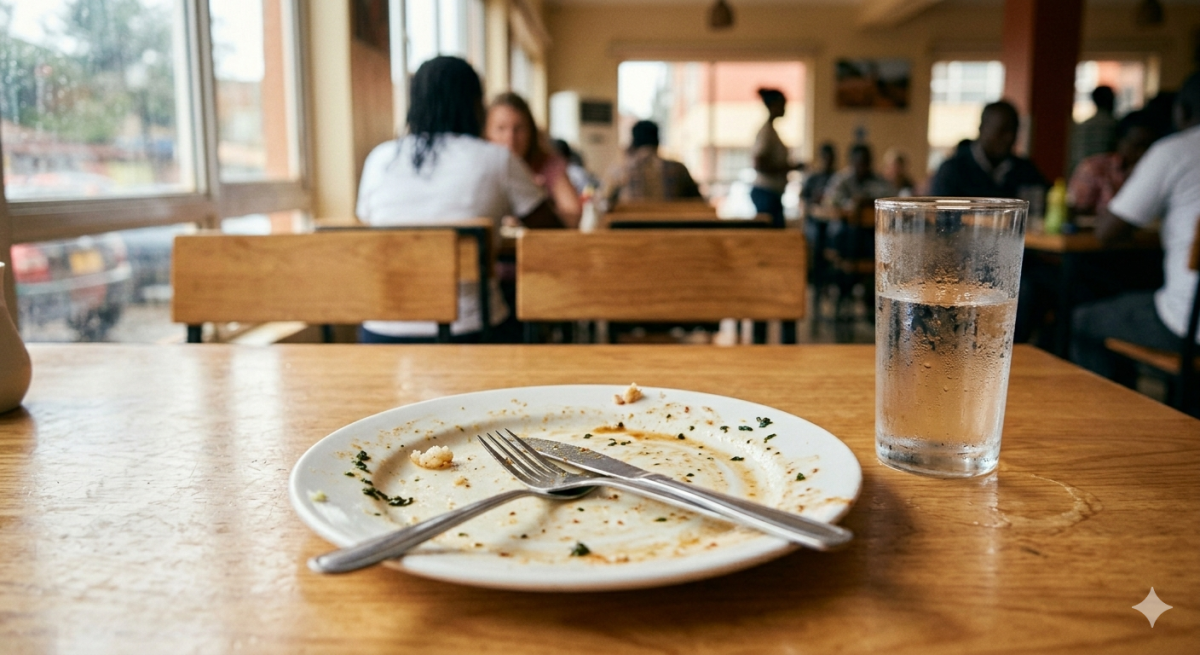
However, experts are clear that for most healthy people, drinking cold water after a meal is not dangerous. The issue is usually about comfort rather than harm. The body is designed to regulate internal temperature quickly, meaning the water will warm up soon after entering the stomach.
A better way to hydrate after eating
Rather than avoiding cold water completely, health professionals recommend paying attention to how your body feels.
Room-temperature or lukewarm water is often gentler on the digestive system and may support smoother digestion after heavy meals. It allows the stomach to continue processing food without sudden adjustments.
Nutrition guidance from the World Health Organization also emphasises steady hydration throughout the day instead of drinking large amounts all at once after eating.
If cold water after a hot meal leaves you feeling fine, there is little reason for concern. But if it often leads to bloating, discomfort, or heaviness, switching to mildly cool or room-temperature water could make a noticeable difference.