Advertisement
Why children often fall ill during the school term
07th May, 2026 02:38 PM
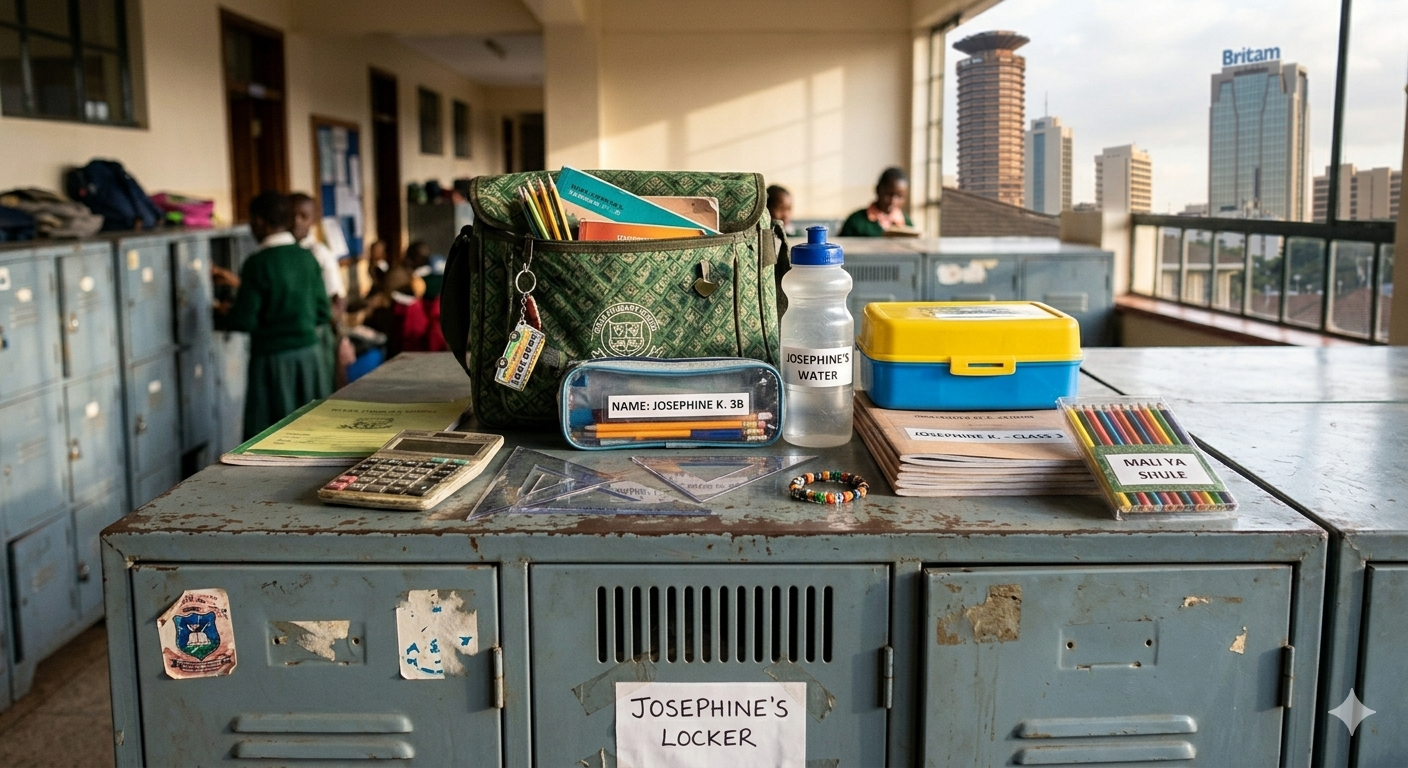
The school calendar begins with excitement. Fresh uniforms, sharpened pencils, and the promise of a new term often bring energy into many homes. But just a few weeks later, some parents find themselves making repeated trips to hospitals and pharmacies as their children battle flu, coughs, stomach infections or unexplained fatigue.
For many families, it becomes a frustrating cycle that repeats every term. While crowded classrooms and changing weather are often blamed, health experts say there are deeper reasons many parents fail to notice.
According to the World Health Organisation (WHO), children are more likely to catch infections in environments where there is close contact, especially in schools where germs spread easily through shared spaces and surfaces.
One major factor is weakened immunity caused by poor sleep routines. During school days, many children wake up very early and sleep late because of homework, screen time or long commutes. Lack of enough sleep affects the body’s ability to fight infections, making children more vulnerable to common illnesses spreading in school environments.
Nutrition also plays a bigger role than many people realise. Some children leave home without breakfast, while others rely heavily on processed snacks and sugary drinks during break time. Health specialists warn that diets lacking fruits, vegetables, proteins and enough water can weaken a child’s immune system over time. The Centres for Disease Control and Prevention (CDC)noted that balanced nutrition and proper hydration are important in supporting children’s immunity and growth.
Another overlooked issue is stress and anxiety. School pressure, bullying, academic expectations and adapting to new environments can silently affect children emotionally. In some cases, stress weakens the body and may lead to headaches, stomach problems or frequent illnesses that appear physical but are connected to emotional strain.
Hygiene habits in schools also contribute significantly. Children constantly share desks, books, washrooms and playground equipment. Younger learners, especially, may forget simple habits like washing hands before eating or after using the toilet. Germs spread quickly in crowded settings, particularly during cold seasons.

The UNICEF Parenting Health Advice encourages parents to teach children proper handwashing habits and healthy daily routines as a way of reducing infections both at home and in school.
Some parents also ignore the impact of carrying illnesses from home back to school and vice versa. If one family member is unwell, children can easily carry infections into classrooms, where close contact increases transmission among other learners.
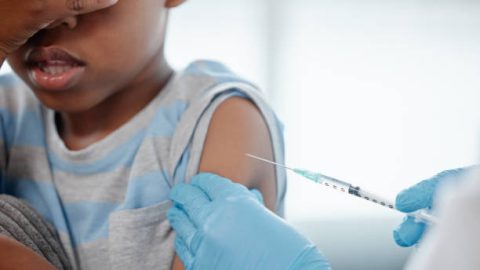
Medical experts further note that some parents focus only on treatment and not prevention. Regular medical check-ups, vaccinations and monitoring recurring symptoms can help identify underlying conditions such as allergies, asthma or nutritional deficiencies that may be causing repeated sickness.
Screen time has also become part of the problem. Many children spend hours on phones, tablets and televisions after school instead of engaging in physical activity or resting. Reduced exercise affects overall health and may lower resistance to infections.
Parents are now being encouraged to pay closer attention to their children’s routines rather than waiting until sickness becomes frequent. Small lifestyle changes such as ensuring enough sleep, balanced meals, proper hygiene and open communication about school experiences can make a big difference.
As schools continue to reopen every term, the focus should not only be on academic performance but also on protecting children’s overall well-being. Sometimes, the repeated illnesses are not simply “normal school sickness” but signs that a child’s daily lifestyle and environment need closer attention.