Advertisement
When AI becomes your emotional safe space: why people are getting attached to chatbots
14th August, 2026 07:07 AM

As chatbots become more conversational, people are increasingly turning to them for comfort, companionship and a place to share what they cannot tell others.
For some people, talking to artificial intelligence has become easier than talking to another person. A difficult day, relationship problem, loneliness or private thought can now be typed into a chat window and met with an instant response.
What begins as a simple conversation can gradually become more personal. People return to the same chatbot, share their worries, ask for reassurance and sometimes begin treating AI as a friend, confidant or romantic companion.

Why is AI so easy to talk to?
One reason is availability. A chatbot does not need to be called at the right time or worry about being disturbed. It can respond late at night, during a stressful moment or whenever someone simply needs to talk.
For people who fear judgement, AI can also feel like a safe space. They can discuss relationships, insecurities, family problems and other personal issues without worrying about another person reacting negatively. The technology is becoming increasingly conversational too. Research published this week found that general-purpose chatbots can actively shape relational conversations and initiate intimate exchanges, showing that emotionally engaging interactions are not limited to AI systems specifically marketed as companions.
When comfort becomes attachment
The growing trend raises a bigger question: when does using AI for comfort become emotional dependence?
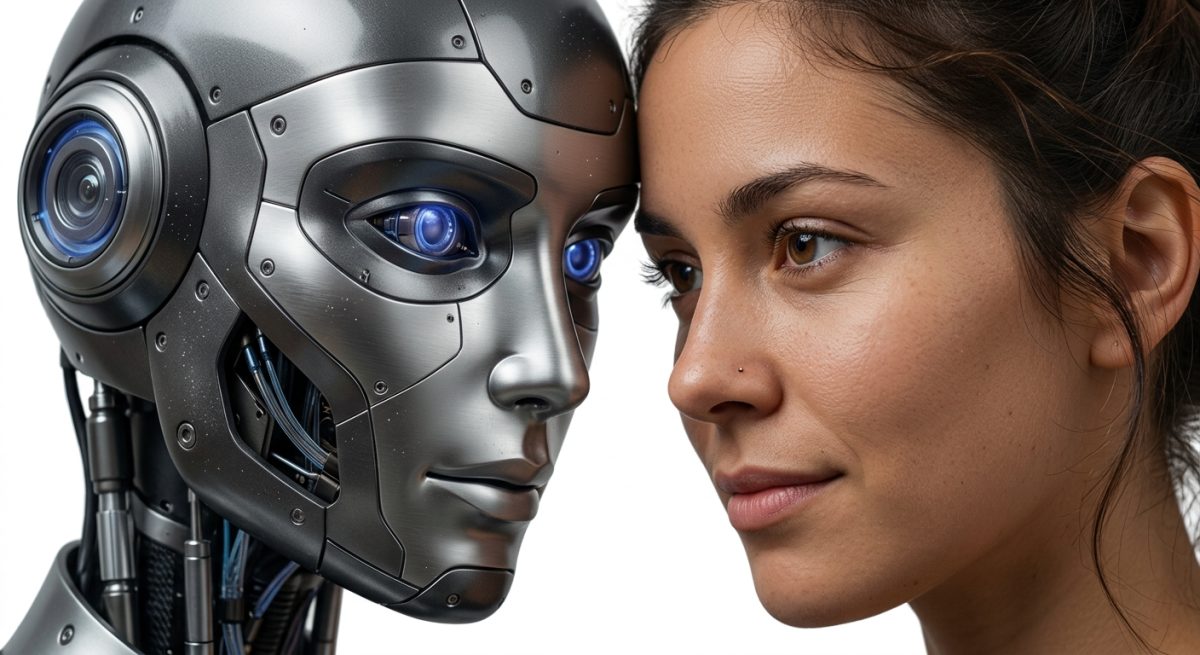
For some users, a chatbot may simply help organise their thoughts or provide temporary companionship. But repeated conversations can make the interaction feel familiar and personal.
The distinction is important because the emotions belong to the human user. AI can produce comforting words and simulate empathy, but it does not experience friendship, love or loneliness in the way people do.
A new kind of relationship
AI is no longer being used only to answer questions, write documents or create images. Increasingly, it is becoming somewhere people go when they want to talk.
That makes the trend about more than technology. It is also about loneliness, relationships and the growing need to feel heard.
As AI becomes more emotionally convincing, the question may no longer be whether people can become attached to machines.
The bigger question is whether AI will remain a tool that helps people navigate their emotions — or become the relationship they turn to instead of other people.