Advertisement
What staring at your phone in a dark room every night is doing to your brain
07th May, 2026 04:02 PM
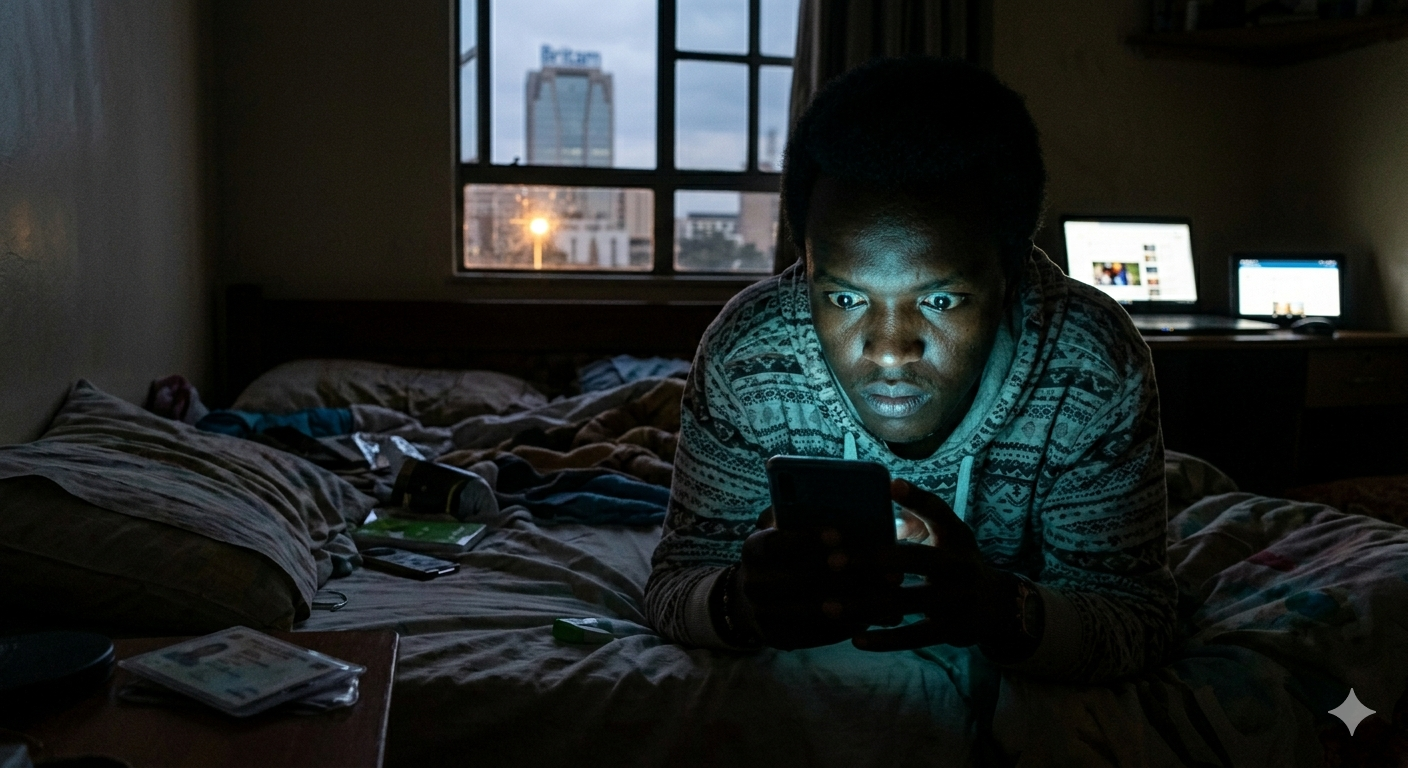
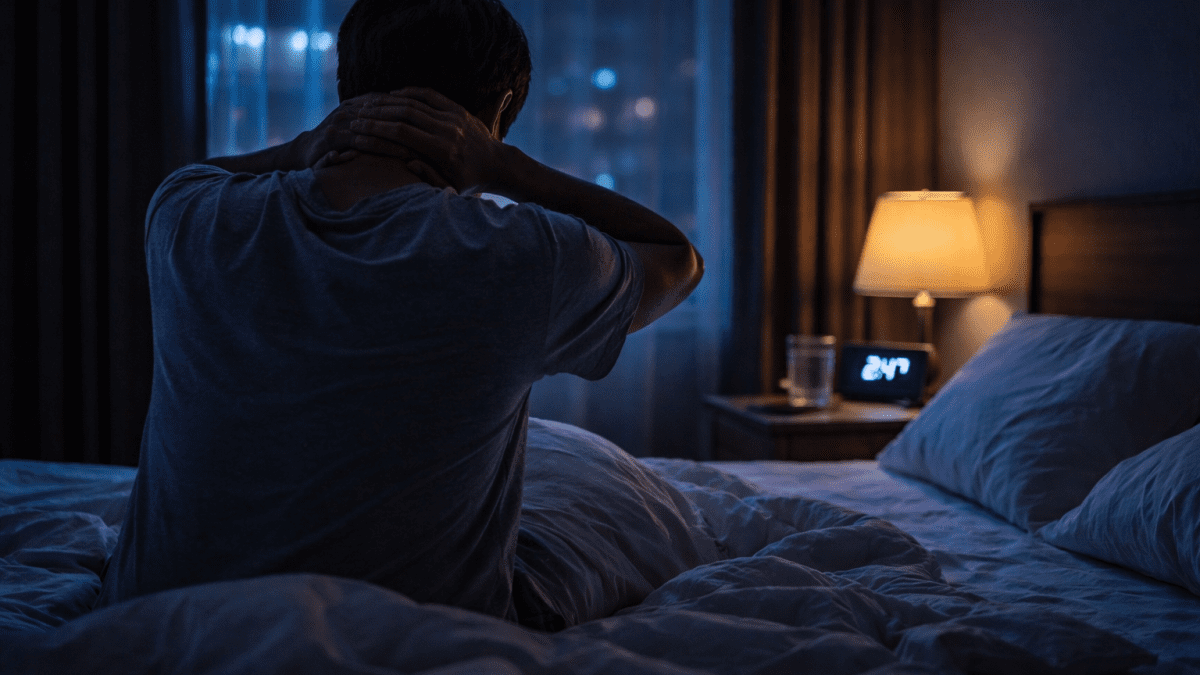
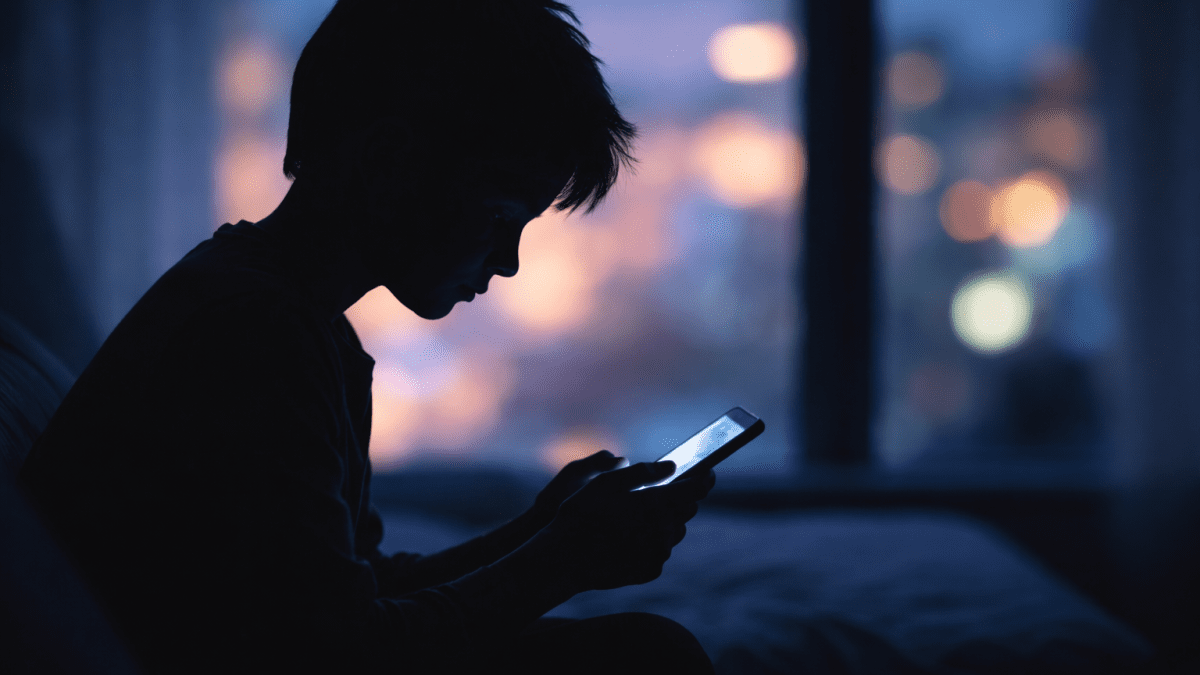
For many people, the day does not end until the phone screen finally goes dark. Long after the lights are switched off, countless eyes remain fixed on glowing screens while lying in bed. It may feel harmless, just a few videos, messages, or social media posts before sleep, but health experts say this nightly habit quietly affects the brain more than most people realize.
The human brain relies on darkness to prepare the body for sleep. Once the lights dim, the brain begins releasing melatonin, a hormone that signals the body that it is time to rest. However, the bright light from smartphones interferes with that process. Instead of slowing down, the brain remains alert, almost as if it is still daytime. According to the Cleveland Clinic, blue light from phones and other electronic devices can delay melatonin production and interfere with the body’s natural sleep cycle.
What many people mistake for “relaxing” before bed is often the opposite. Constant scrolling keeps the brain stimulated. Videos, notifications, and endless content force the mind to stay active when it should be winding down. This is why some people feel physically tired but mentally awake after spending too much time on their phones at night.
Sleep specialists say poor sleep caused by screen exposure can slowly affect concentration, mood, and memory. Healthline noted that interrupted sleep over time may increase stress levels, daytime fatigue, and difficulty focusing during the day. While many people may still fall asleep after scrolling for an hour in the dark, the quality of that sleep may be lower than expected.
Research by the Sleep Foundation shows that exposure to light during the night can reduce deep sleep and REM sleep, which are important for brain recovery, emotional balance, and memory processing. Without enough restorative sleep, the brain struggles to properly recharge, which can affect productivity and emotional well-being.
Beyond sleep itself, experts say the type of content consumed at night also matters. Watching stressful news, engaging in online arguments, or endlessly scrolling through social media can increase mental alertness and anxiety before bed. Instead of relaxing the mind, the brain stays active long after the phone is put away.
There is also growing concern about how attached many people have become to their phones at night. Some sleep with their devices beside their pillows and immediately check notifications whenever they wake up. According to sleep experts featured by Tom’s Guide, this creates a pattern where the brain begins associating the bed with stimulation rather than rest, making it harder to maintain healthy sleep habits.
Simple lifestyle changes can help reduce the impact. Experts recommend lowering screen brightness, using dark mode, and avoiding phones at least 30 minutes before sleeping. Keeping devices away from the bed and replacing late-night scrolling with calmer activities such as reading or listening to soft audio may also help the brain settle naturally.