Advertisement
Vegetable parts Kenyans throw away that are most nutritious
14th May, 2026 08:37 AM
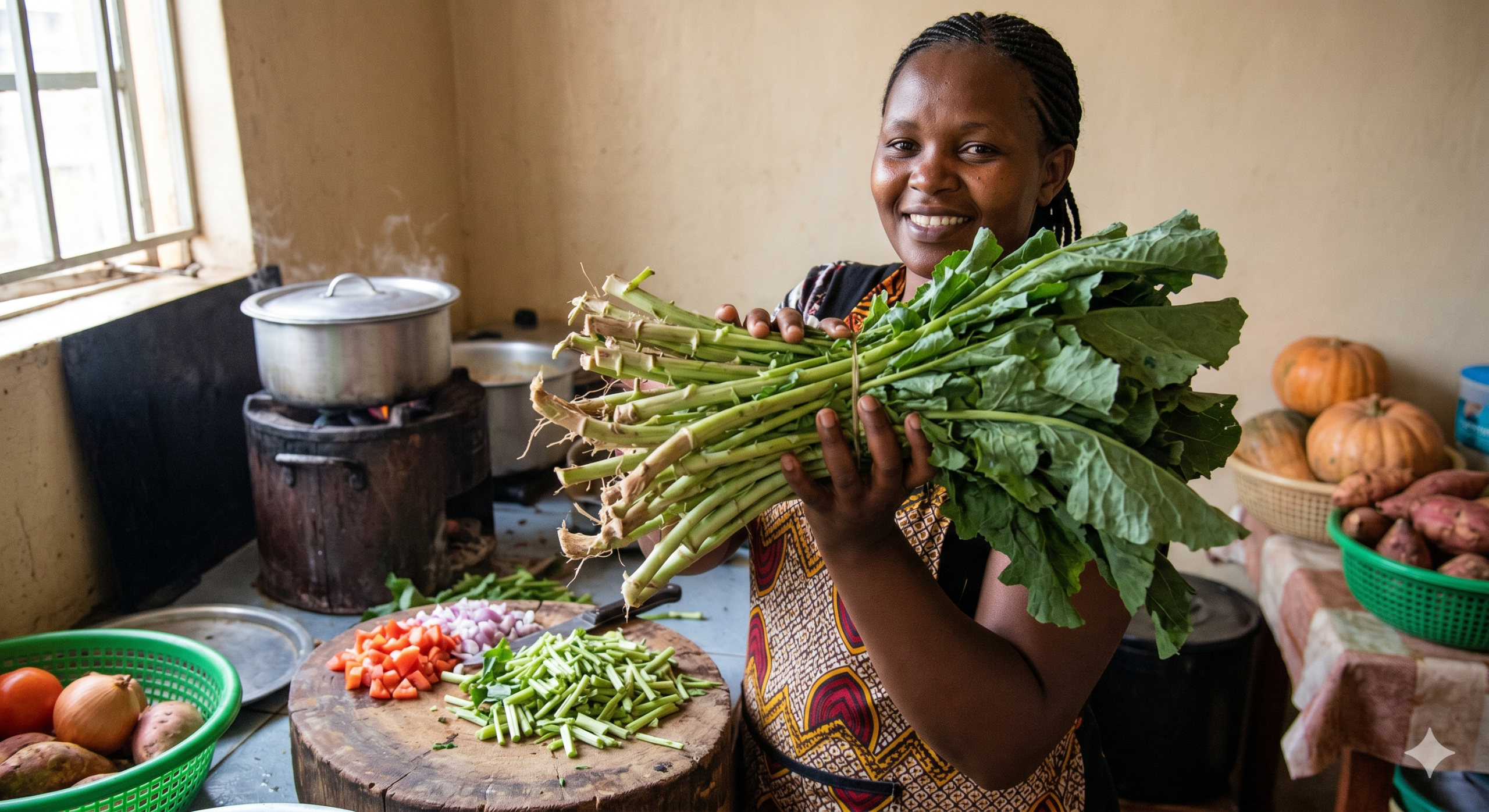
The next time you snap off the tough base of a sukuma stalk and drop it in the bin, consider this: you may be throwing away the most nutritious part of the entire vegetable.
Across Kenyan kitchens, a familiar routine plays out.
Sukuma wiki (kale) stems get snapped off and discarded. Pumpkin leaves go to the livestock or the compost heap. Sweet potato vines are uprooted and tossed aside.
Bean pods, once shelled, are binned without a second thought.
It is a habit born of texture preference and culinary tradition, not nutrition. And nutritionally speaking, it is a significant loss.
Science has been making the case for these discarded parts for years.
A 2024 review published in the Journal of Food Quality found that vegetable stems and outer leaves are “rich sources of protein, carbohydrates, dietary fibre, minerals, and vitamins” – a nutritional profile that rivals, and in some cases exceeds, the fleshy parts most people actually eat.
Take the humble pumpkin leaf. Known across much of the country simply as maboga.
A peer-reviewed study published in Molecules in 2022 found that African pumpkin leaves contain “higher levels of vitamins, minerals, and antioxidants” than conventional leafy vegetables, including spinach, kale, and broccoli. Yet in most households, only the fruit makes it to the pot.
The scraps worth saving
Sukuma stems are fibrous, yes, but they are also packed with calcium and dietary fibre.
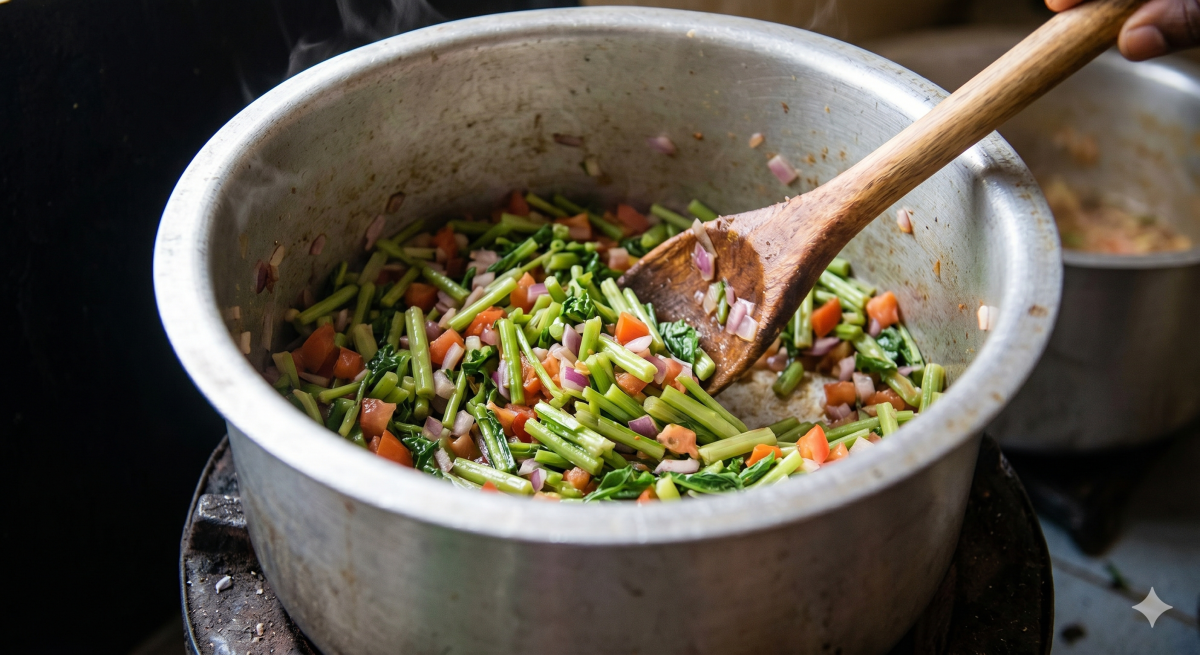
The key is cooking time – give them a few extra minutes in the pan before the leaves go in. Chop them finely, fry with onion and tomato, and they soften into something hearty and deeply flavoured.
Sweet potato vines – the long, leafy shoots that trail from sweet potato plants, are eaten regularly across parts of western Kenya and much of East Africa, but remain underused in urban households.
Research published in the International Journal of Food Science & Technology (2024) confirmed that sweet potato leaves and vines are rich in vitamins A, C and K, iron, calcium, and a wide range of phytochemicals that support immune function.
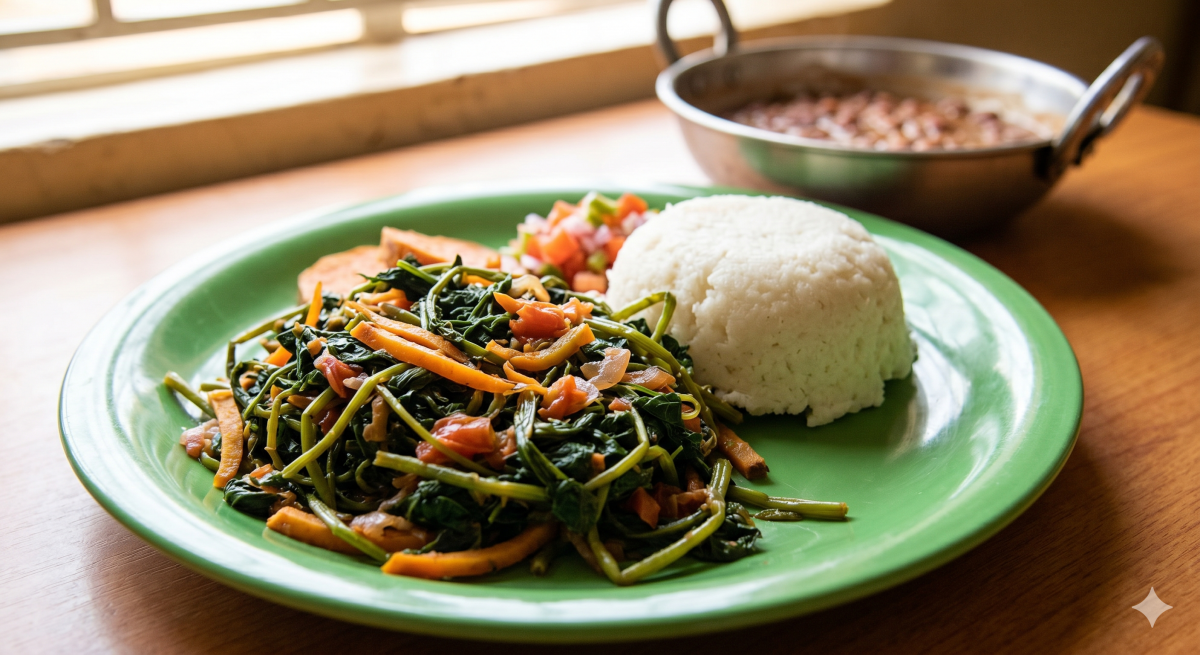
They cook quickly, taste mild, and work beautifully stir-fried with garlic and a little salt.
Bean pods, specifically the tender young pods of climbing beans, eaten whole before they fully mature, are among the most nutrient-dense foods you can put on a plate: high in fibre, folate, and plant-based protein.
Older pods, once shelled, still have value; the pod wall, finely sliced, adds body and nutrition to any stew.
Simple, cheap, and already in your kitchen
What makes this conversation particularly relevant for the average Kenyan household is cost.
These parts cost nothing; they are already sitting on your chopping board. No extra trip to the market, no additional spend. At a time when food prices in Nairobi continue to climb, the nutrition sitting in your bin is worth a second look.