World Rhino Day 2026: 7 Kenyan parks where you can see rhinos up close
By William Muthama, September 22, 2026Kenya is marking World Rhino Day 2026 with one of Africa’s notable rhino conservation success stories, as the country’s rhino population continues to recover.
The rhino is one of Africa’s famed Big Five, alongside the lion, leopard, elephant and buffalo, and remains one of the most sought-after animals by safari visitors.
The national rhino population rose from 2,102 at the end of 2024 to 2,282 in 2025, an increase of 180 animals in a single year.
The population includes eastern black rhinos, southern white rhinos and the last two northern white rhinos on Earth.
Kenya’s conservation targets include reaching 1,450 rhinos by 2030 and growing the eastern black rhino population to 2,000 by 2037 as the world marks World Rhino Day on September 22.
For visitors hoping to see the animals, the most reliable sightings are often found in fenced sanctuaries and smaller, intensively protected parks rather than vast open wilderness.
Here are seven places to consider.
Nairobi National Park
Located just minutes from the capital, Nairobi National Park offers one of the easiest opportunities to see rhinos without travelling far from the city.
Both black and white rhinos can be found in the park, with some sightings offering the unusual backdrop of Nairobi’s skyline.
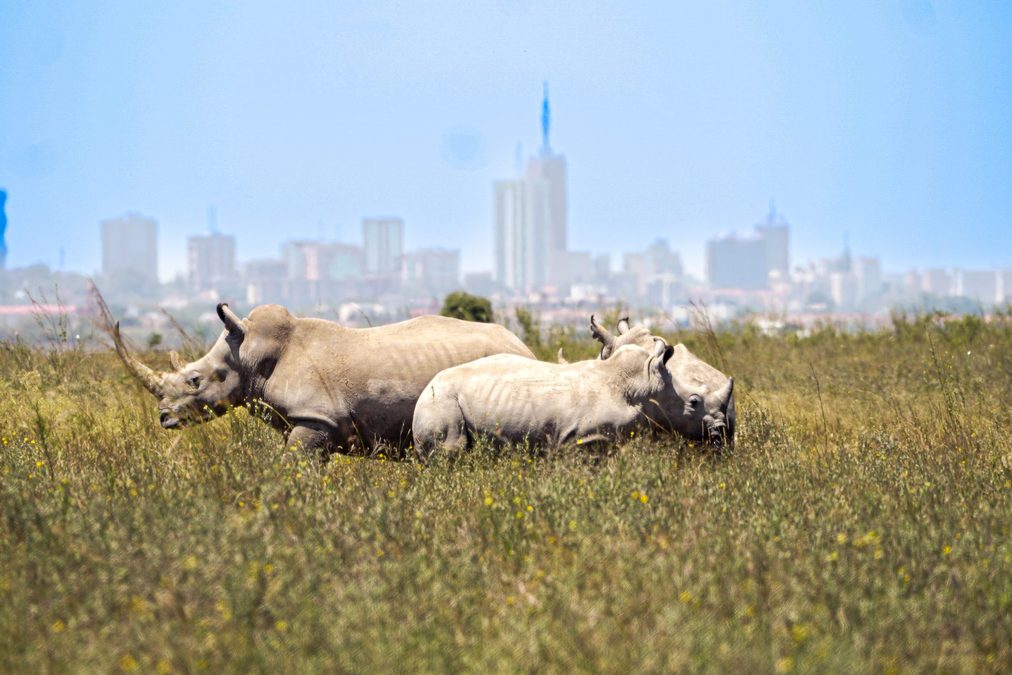
The park is particularly convenient for visitors with limited time, including those looking for a half-day safari or a short wildlife experience before a flight.
Lake Nakuru National Park
The 188-square-kilometre fenced park was established as a rhino sanctuary and remains one of Kenya’s popular destinations for rhino viewing.
White rhinos can often be seen grazing on the southern plains, while black rhinos tend to stay in thicker vegetation.
Visitors can also combine rhino viewing with sightings of flamingos, Rothschild’s giraffes and other wildlife against the backdrop of the Rift Valley.
Ol Pejeta Conservancy
Ol Pejeta Conservancy is among Kenya’s most recognised destinations for rhino conservation and viewing.
The conservancy is home to East Africa’s largest black rhino population alongside southern white rhinos.
It is also the only place where visitors can see Najin and Fatu, the world’s last two northern white rhinos, which are kept under round-the-clock protection.
Visitors can take part in dedicated rhino tracking experiences, while photography hides offer opportunities to observe the animals from close range.
The conservancy also recently mourned Baraka, its well-known blind black rhino, who died in August 2026.
Lewa Wildlife Conservancy
Lewa Wildlife Conservancy has played a major role in Kenya’s rhino recovery efforts and supports populations of both black and white rhinos.
The conservancy offers a more intimate wildlife experience, with activities including game drives, walking safaris and horseback excursions.
Its conservation model also incorporates surrounding communities, while experienced rangers monitor individual rhinos and protect them from poaching.
Maasai Mara National Reserve
The Maasai Mara is home to one of Kenya’s remaining indigenous populations of eastern black rhinos.
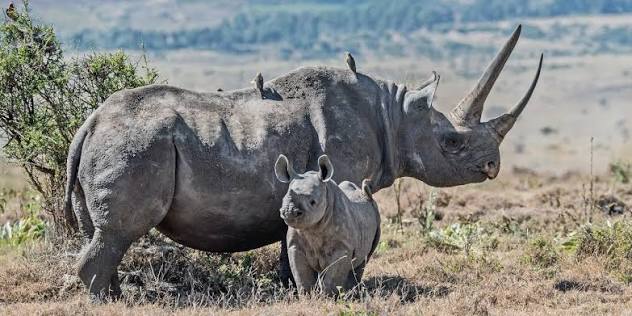
The 2025 Kenya National Wildlife Census recorded 54 rhinos in the Maasai Mara National Reserve and Mara Triangle. However, unlike smaller rhino sanctuaries, sightings can be difficult because the animals range across a large, unfenced ecosystem.
Meru National Park
Meru National Park offers a quieter alternative for visitors looking to see rhinos away from some of Kenya’s more heavily visited safari destinations.
A dedicated fenced rhino sanctuary sits within the wider wilderness park and is home to both black and white rhinos.
The park also offers a broader safari experience, with its landscapes and wildlife making it a natural choice for visitors seeking a more remote setting.
Tsavo West National Park
Tsavo West has expanded its rhino conservation efforts through the enlarged Tsavo West Rhino Sanctuary.
The historic Ngulia Rhino Sanctuary has been expanded into a 3,200-square-kilometre conservation landscape, creating one of the largest rhino protection areas in the world.
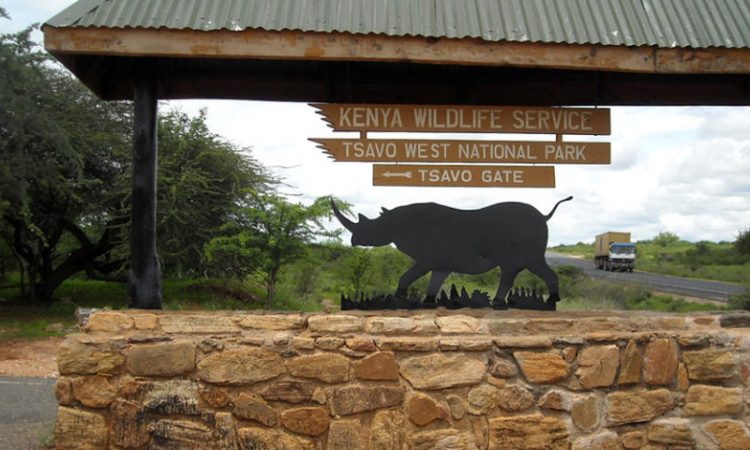
The expanded sanctuary was officially opened in December 2025 and supports a founder population of about 200 black rhinos drawn from the former fenced sanctuary and surrounding Intensive Protection Zone.
Because of the sanctuary’s size and thick vegetation, sightings may be less predictable than in smaller, fenced reserves.
Ruma National Park
Ruma National Park in Homa Bay County is another option for travellers willing to venture away from Kenya’s main safari circuit.
The western park is home to reintroduced black and white rhinos and also protects Kenya’s remaining wild roan antelope population.
Its quieter setting means visitors encounter fewer tourists compared with some of the country’s better-known wildlife destinations.
Most of these destinations offer game drives, while some also provide walking or rhino-tracking experiences under ranger supervision.