World Elephant Day: 4 mind-blowing facts about elephants
By Dan Kauna, August 12, 2026August 12, 2026 marks World Elephant Day, a day set aside to celebrate one of Africa’s most iconic animals. Across Kenya, from Amboseli and Tsavo to Samburu, these giant mammals remain a key part of the national heritage.
Beyond their impressive size, elephants have extraordinary physical and social abilities that help them survive in the wild. Here are four simple yet mind-blowing facts about how they live.
1. Elephants can smell water 12 kilometres away
Finding water during dry seasons in the savannah is tough, but elephants have a powerful advantage. According to the Kenya Wildlife Service, an elephant can smell water sources from up to 12 kilometres away.
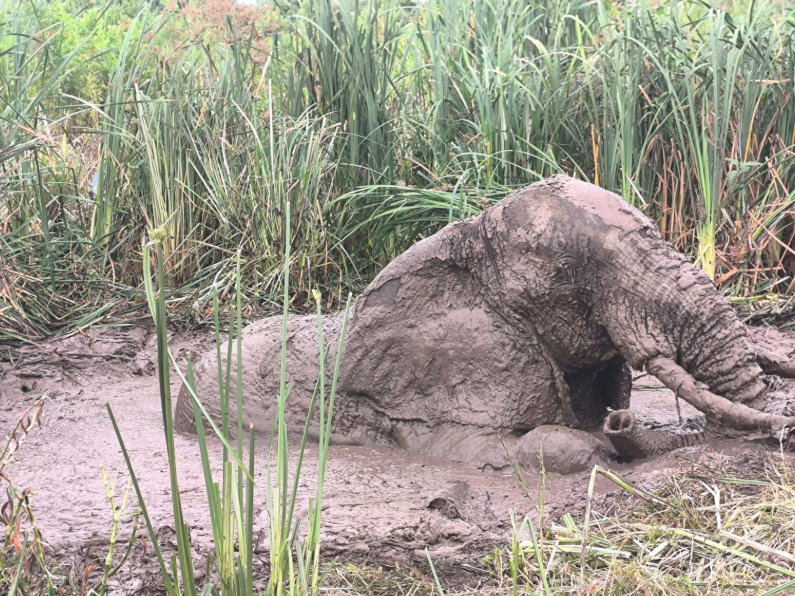
Their nasal cavity contains about 2,000 smell receptors, which is twice as many as a dog and five times as many as a human. This sharp sense of smell helps herds locate underground water streams during severe droughts.
2. Elephants give each other unique names
Elephants communicate using low rumbling sounds that travel over long distances. Research published in Nature Ecology & Evolution revealed that “wild African elephants address one another with individually specific calls, probably without relying on imitation of the receiver.”
This means elephants use specific vocal calls much like human names for family members, making them one of the few animal species known to do so.
3. They feel sound through their feet
Elephants do not rely only on their big ears to listen. They also pick up sound through the soles of their feet.
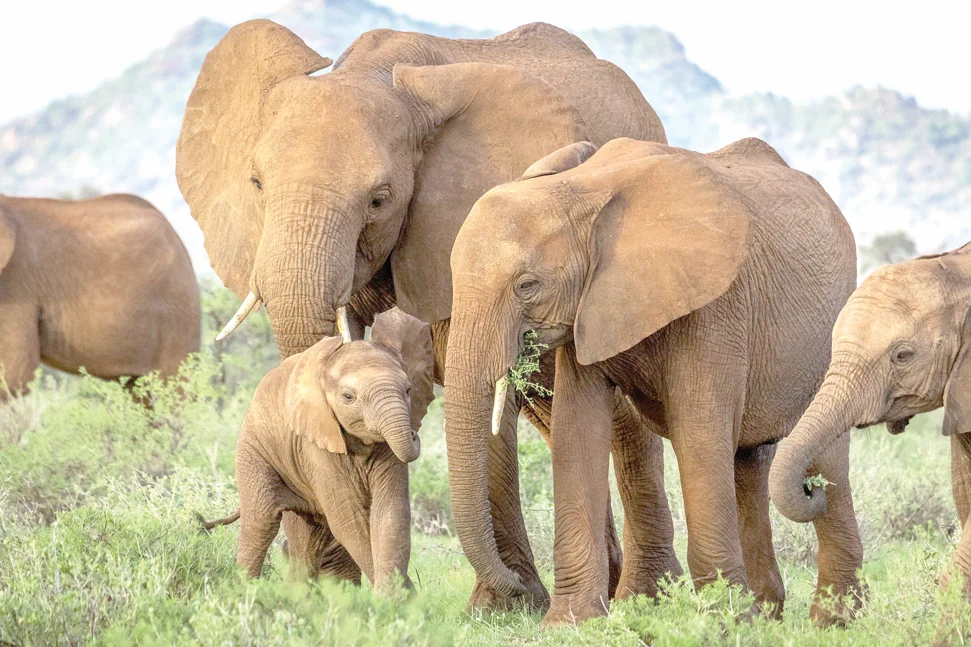
When an elephant calls or stomps, it creates low vibrations that travel through the soil. Special sensors in their foot pads detect these ground signals when they freeze and lean forward.
This ability allows herds to sense distant footsteps, approaching rainstorms, or danger from more than 30 kilometres away.
4. An elephant trunk has over 40,000 muscles
An elephant trunk has no bones or cartilage, yet it contains roughly 40,000 individual muscles. For comparison, the entire human body has just around 600 muscles.
This unique feature gives the trunk both massive power and gentle precision.
An elephant can easily lift a heavy log weighing over 200 kilograms, yet it can also pick up a single blade of grass without snapping it.