Who was Inkosi Albert Luthuli and why Nairobi named a major avenue after him?
By David Nthua, June 4, 2026Luthuli Avenue is one of the most active streets in Nairobi’s Central Business District, known today for its dense concentration of electronics shops, phone accessories, and home appliances.
Yet behind the commercial noise and constant bargaining lies a historical name tied to one of Africa’s most respected freedom fighters: Chief Albert John Luthuli.
This article explains who he was, why Nairobi honoured him, and how the street evolved into a modern electronics marketplace.
Who was Albert Luthuli
Albert John Luthuli was a South African teacher, traditional leader, and political activist who became one of the most important figures in the fight against apartheid.
He served as the president of the African National Congress (ANC) in the 1950s and was awarded the Nobel Peace Prize in 1960 for his commitment to non-violent resistance against racial oppression.
Luthuli’s leadership made him a symbol of dignity, justice, and African unity. Across the continent, his name was honoured in institutions, roads, and public spaces.
Why was Nairobi named after him?
After independence, Nairobi gradually replaced many colonial street names with those of African and Pan-African leaders. This was part of a broader effort to reflect African identity in public spaces.
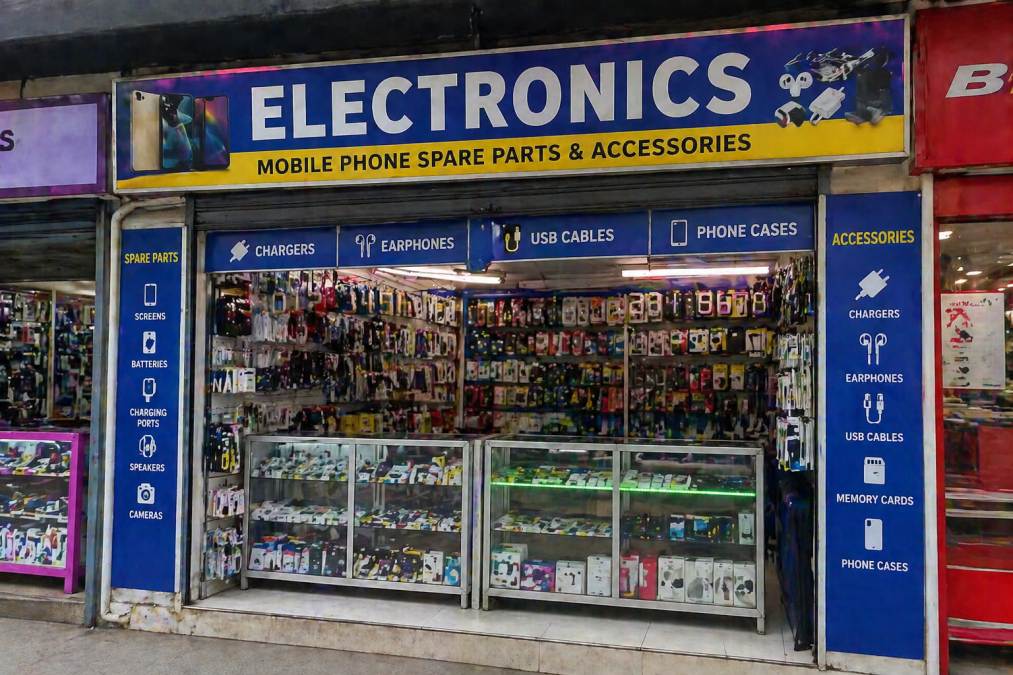
Luthuli Avenue was named to honour Albert Luthuli’s role in the wider liberation struggle on the continent.
His recognition was not limited to South Africa alone; he was seen as an African icon whose influence represented shared resistance against colonial rule.
Naming a CBD street after him was a symbolic act of solidarity and respect for Pan-African leadership.
How Luthuli Avenue became an electronics hub
Over time, Luthuli Avenue evolved far beyond its symbolic naming. Located in the heart of Nairobi’s CBD, it gradually became a natural centre for small-scale trade and retail commerce.
As Nairobi’s economy expanded, traders clustered along the street due to:
- High pedestrian traffic in the CBD
- Proximity to transport routes and bus termini
- Demand for affordable electronics and repairs
- Growth of informal and wholesale retail networks
By the 2000s, the street had already become widely known as a one-stop centre for electronics, with shops selling televisions, phones, speakers, cables, and accessories.
Why electronics dominate the street today
Electronics dominate Luthuli Avenue for practical economic reasons rather than planning.
First, electronics are high-demand, fast-moving goods in Nairobi’s urban lifestyle. Second, competition among traders encourages price variation, attracting bargain-seeking customers.
Third, repair services and spare parts naturally cluster around where sales happen, reinforcing the ecosystem.
This combination created a self-sustaining market where sellers, repair technicians, and wholesalers operate side by side.
However, the street also reflects the risks of informal electronics trade, including inconsistent pricing and varying product authenticity, which buyers often navigate carefully.
Luthuli Avenue today
Today, Luthuli Avenue is a blend of history and hustle. The name reflects a Nobel Peace Prize laureate and African liberation hero, while the street itself represents Nairobi’s fast-moving urban economy.
It remains one of the busiest electronics trading zones in Kenya, attracting buyers from across the city and beyond.
At the same time, its name quietly preserves the memory of Albert Luthuli’s legacy in the everyday life of Nairobi.
In that contrast lies its identity: a street where African history meets modern commerce.