What the Mount Kenya fire could mean for hiking and adventure tourism
By Katemarthason Okudo, September 7, 2026The fire currently burning on Mount Kenya is more than a conservation concern. It could also affect one of Kenya’s best-known destinations for hiking, climbing and outdoor adventure if the blaze continues to spread or damages key sections of the mountain.
Mount Kenya has for years attracted local and international visitors looking for challenging hikes, mountain climbing, camping and nature experiences. The mountain is also an important part of the tourism economy around the surrounding counties.
A fire in such an environment therefore creates concerns that go beyond the vegetation being lost.
Fire threatens a popular adventure destination
The current fire was first detected on Monday, September 1, in difficult-to-reach terrain, according to a situation report from the Mount Kenya Trust. Efforts to reach the affected area have been complicated by the mountain’s rugged landscape, with some teams forced to continue on foot after vehicles could no longer proceed.
By September 7, the fire had continued for six days, with different organisations and volunteers involved in efforts to contain it. Flames had affected vegetation beneath the higher sections of the mountain, an area used by hikers as they make their way towards the peaks.
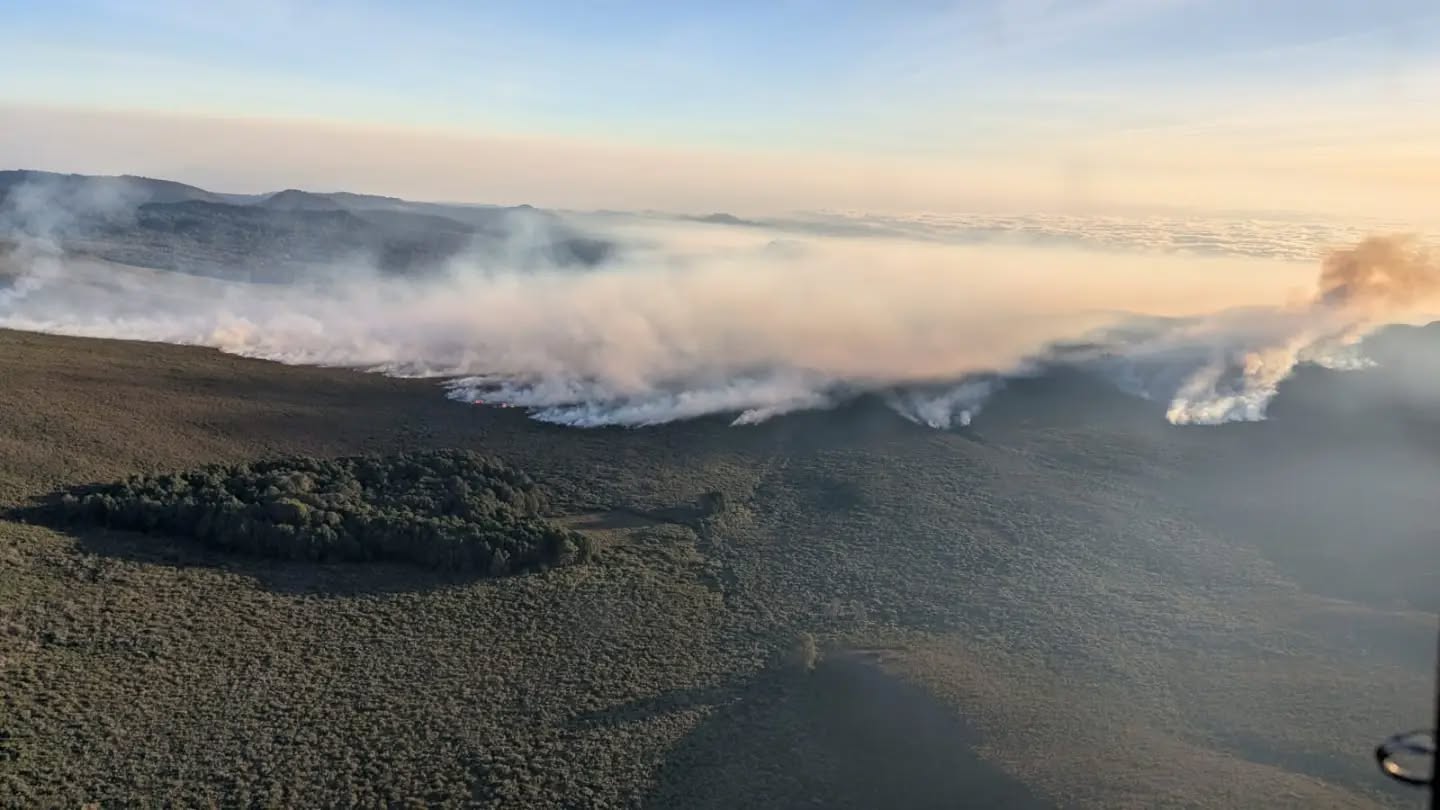
For hikers, the immediate concern is safety. Smoke, changing wind conditions, falling branches and the possibility of fire spreading can make some routes unsafe. Areas affected by flames may also require temporary restrictions while teams assess the damage.
This could mean that some hiking activities are delayed, rerouted or suspended until the affected sections are considered safe.
Possible impact on tourism businesses
Mount Kenya is an important attraction for adventure tourism. The Kenya Wildlife Service describes the mountain as Africa’s second-highest peak and highlights its trekking, climbing and outdoor experiences. Its peaks include Batian, Nelion and Point Lenana, which attract climbers and adventure seekers.
A prolonged fire could therefore affect businesses that depend on visitors travelling to the mountain.
Tour operators, guides, porters, accommodation facilities and transport providers all form part of the wider tourism chain surrounding hiking trips. When fewer visitors are willing or able to climb, these businesses can also feel the effect.
However, the impact will depend largely on how far the fire spreads and whether popular routes remain accessible.
The bigger concern is the mountain’s environment
The damage caused by a mountain fire is not limited to what can be seen from a distance. Vegetation provides habitat for wildlife, protects soils, and plays a role in the wider ecosystem.
Once burned areas begin recovering, the landscape may take time to return to its previous condition. This is particularly important on a mountain where different ecological zones change with altitude.
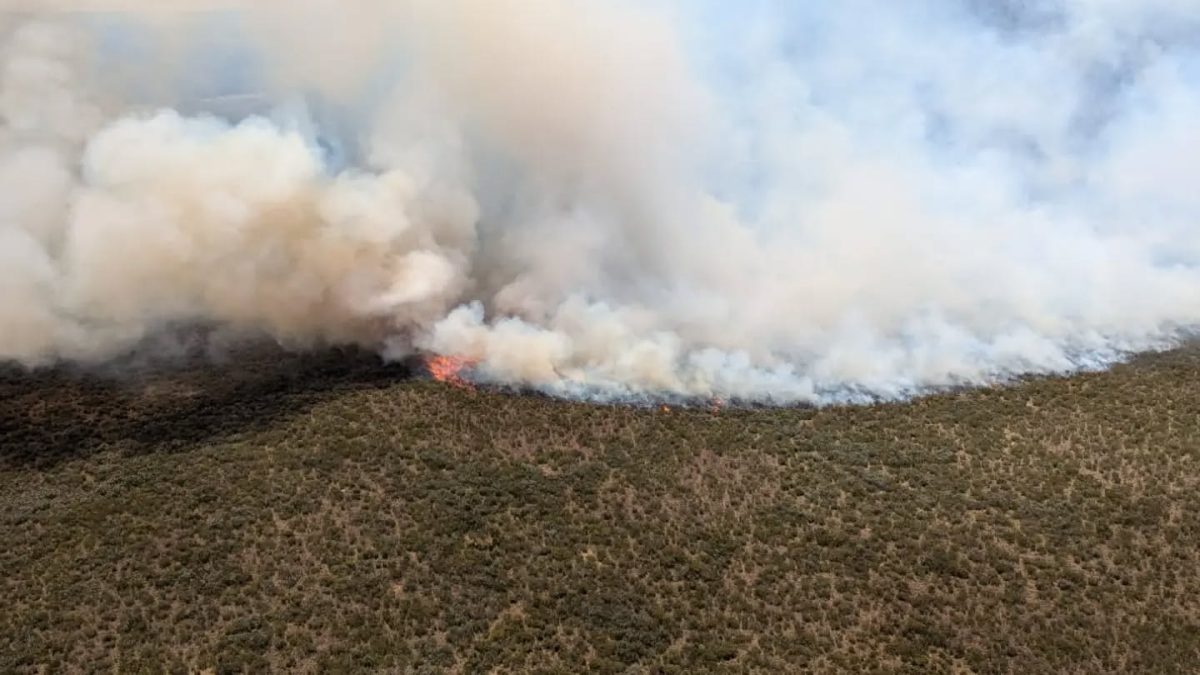
Mount Kenya’s appeal to visitors is closely linked to this natural environment. Hikers do not only come for the summit. They also experience forests, moorlands, wildlife and the changing landscape as they climb.
What happens after the fire?
The recovery period could become just as important as the firefighting operation.
Once the fire is contained, authorities and conservation organisations will need to establish the extent of the damage and determine which areas require protection or restoration.
For adventure tourism, this could also be an opportunity to strengthen fire prevention, early warning systems and visitor safety measures around the mountain.
The current situation is a reminder that Mount Kenya’s tourism appeal depends heavily on the health of its natural environment. Protecting the mountain is therefore not only about preserving a famous landscape but also safeguarding the hiking and adventure activities that have made it an important tourism destination.