Travel changes who you are, science says
By Dan Kauna, June 13, 2026Science is now confirming what many travellers have long suspected: genuine exposure to unfamiliar places and cultures does not simply refresh you. It rewires you.
Psychologists have spent the last two decades trying to understand exactly what happens inside the brain when a person steps outside their familiar world. The findings are striking.
Travel, particularly the kind that involves real immersion in a different culture, produces measurable changes in cognitive flexibility, creativity, empathy, and openness to new ideas. These are not temporary mood boosts. Rather, they are documented shifts in how the mind works.
What the research actually shows
A study published in the Journal of Personality and Social Psychology by researchers William Maddux and Adam Galinsky found a consistent link between time spent living and engaging deeply with foreign cultures and increased creative performance across multiple measures, from problem-solving to idea generation.
As Maddux put it: “Knowing that experiences abroad are critical for creative output makes study abroad programmes and job assignments in other countries that much more important, especially for people and companies that put a premium on creativity and innovation to stay competitive.”
The key, the researchers noted, was not passive tourism. Simply passing through a place without engaging with it produced little measurable change.

What mattered was active adaptation – learning why people do things differently, sitting with discomfort, and adjusting.
That process of stretching to understand a new cultural logic appears to train the brain to hold multiple perspectives at once, which is the very foundation of creative thinking.
The empathy effect is equally well-documented. A 2024 study published in the APA journal Emotion, drawing on seven diverse samples collected between 2020 and 2022, found that awe (the kind of overwhelming wonder triggered by encountering something vast and unfamiliar) consistently increased empathy across multiple measures.
Travel is one of the most reliable generators of awe available to ordinary people.
Why no other leisure activity quite replicates it
What makes travel psychologically distinctive is the specific combination of novelty and challenge it delivers simultaneously.
A new film or book offers novelty. A difficult project at work offers challenge. Travel offers both at once, in an environment where your usual coping shortcuts do not apply.
Your brain is forced to improvise, observe, and recalibrate repeatedly, across days.
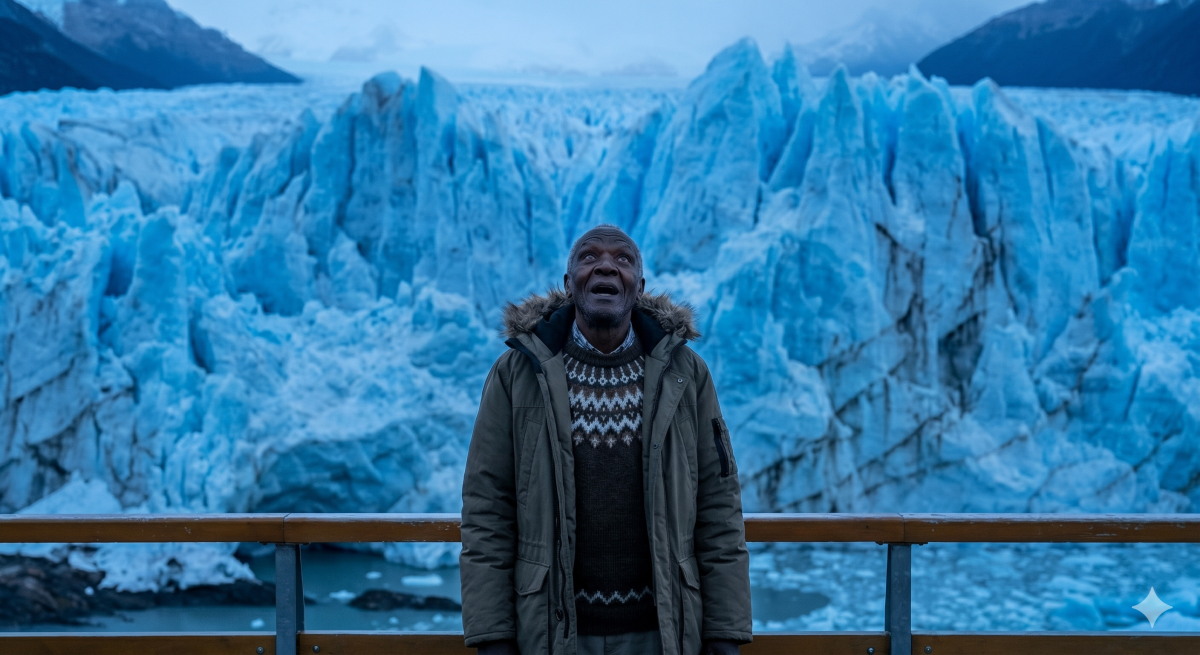
Neurologically, this kind of sustained engagement with the unfamiliar is linked to neuroplasticity: the brain’s ongoing capacity to form new connections. Researchers in cognitive psychology describe travel as one of the few leisure experiences that activates this process reliably and at scale.
The result, over time, is a measurably more open, flexible, and empathetic person. Not because travel is magical but because the science of how minds grow under challenge suggests that novelty, discomfort, and genuine human encounter are exactly the conditions the brain needs to change.