Advertisement
Why your body swells when you sit for too long and while travelling
05th May, 2026 02:15 PM
If you have ever travelled for hours or sat through a long work shift only to stand up and notice your feet or ankles feel tight, heavy, or visibly swollen, you are not alone. It’s a common experience that often worries many people, but doctors say it usually comes down to how blood and fluids move in the body when you stay still for too long.
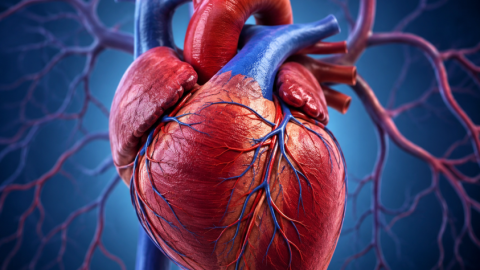
The condition is known as oedema, which simply means fluid builds up in body tissues, mostly in the lower legs. When you sit or stand for long periods, gravity causes blood to pool in the lower body. Normally, movement from your leg muscles helps push that blood back to the heart. But when you are inactive, that pumping system slows down. As a result, pressure builds in the veins, and fluid leaks into nearby tissues, causing swelling.
The World Health Organisation (WHO) warns that prolonged sitting is a growing health concern globally, linking it to poor circulation and other lifestyle diseases. In one of its public health notes, WHO stated that “physical inactivity increases the risk of non-communicable diseases and affects normal blood circulation in the body”.
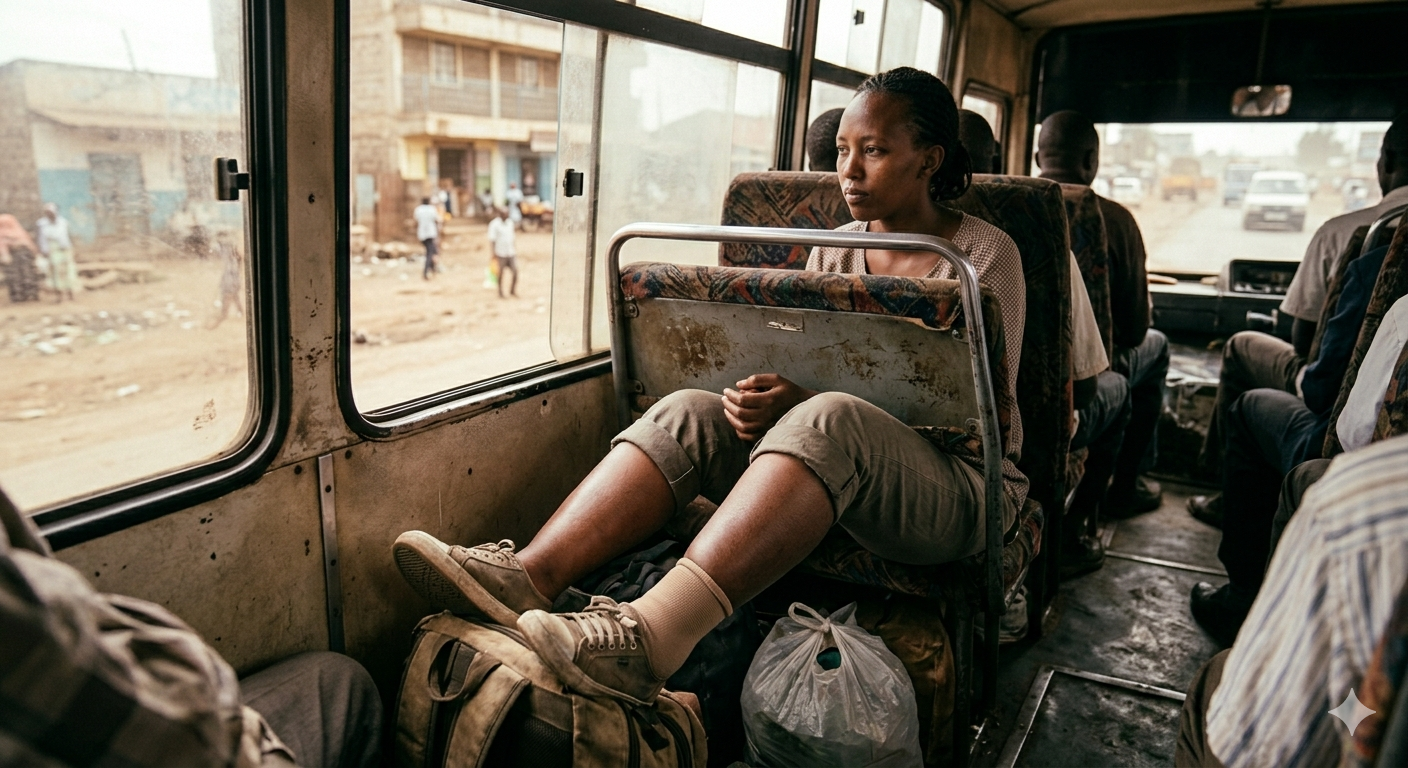
This is why office workers, truck drivers, students in long lectures, and passengers on long-distance buses are commonly affected. In Kenya, where many people travel for hours using buses and matatus, cases of temporary leg swelling after travel are frequently reported.
Health specialists also point out that dehydration, high salt intake, and tight seating can make the swelling worse. According to the Mayo Clinic, “oedema occurs when tiny blood vessels leak fluid into nearby tissues, often due to prolonged sitting or standing, high salt levels, or reduced circulation.”
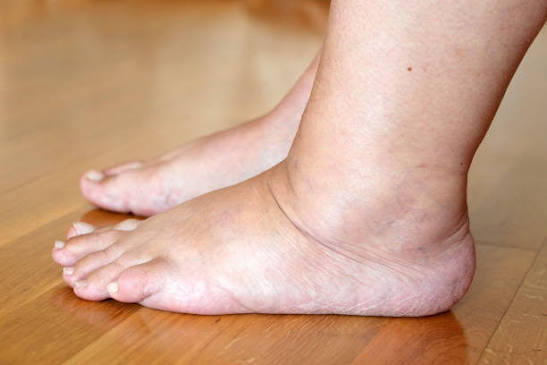
In most cases, the swelling is not dangerous and goes down after a short while once you start moving again. However, it can be uncomfortable and, if ignored over time, may signal poor circulation or an underlying health condition.
A physiotherapist also explained it simply: “The body is designed to move. When you sit for too long, the muscles in your legs are not active enough to help push blood back to the heart. That is when fluid begins to settle in the lower limbs.”
The good news is that small changes can help prevent the problem. Experts recommend standing up or stretching every 30 to 60 minutes, especially during long trips or desk work. Simple leg exercises like ankle rotations or walking a few steps can improve blood flow.
Drinking enough water also helps the body regulate fluids better. Reducing salty foods can prevent excess fluid retention. For frequent travellers, compression socks and slightly elevated leg positions when resting can also reduce swelling.
While occasional swelling is normal and usually harmless, medical attention is needed if it becomes painful, persistent, or is accompanied by redness and warmth, as this could signal a more serious condition.