‘Leisure sickness’ – what holiday time does to adults who never learned to rest
By Dan Kauna, July 9, 2026As schools prepare to close for the August holiday break, children are counting down the days.
But for many working adults, the thought of unstructured free time brings a strange feeling of unease rather than relief.
When sitting still causes guilt, or when physical illness strikes the moment work stops, the experience is surprisingly common.
Understanding leisure sickness
This inability to unwind is a real psychological pattern known as leisure sickness.
Dutch psychologist Ad Vingerhoets coined the term to describe individuals who develop physical symptoms like headaches, fatigue, or flu-like signals during weekends and vacations. It usually affects people who tie their personal value entirely to their career.
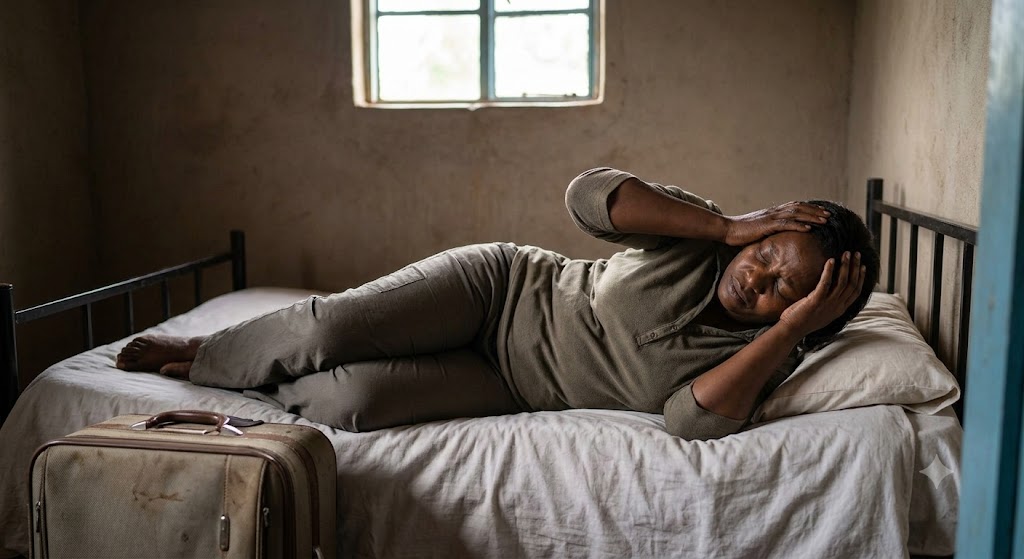
In a study published in the journal Psychotherapy and Psychosomatics, researchers found that the main risk factors include “the inability to adapt to the nonworking situation, a high need for achievement, and a high sense of responsibility with respect to work.”
For the everyday person running a side hustle alongside a demanding job to clear monthly bills, stopping feels dangerous. When the mind is conditioned to equate rest with laziness or lost revenue, free time feels like a threat rather than a reward.
Breaking the work cycle
Biologically, chronic work stress keeps adrenaline levels high to sustain a frantic schedule. When a person suddenly stops working on Friday evening or at the start of a holiday, these hormone levels drop rapidly.
This quick shift can temporarily lower immune defences, making the body vulnerable to minor bugs and sudden exhaustion.
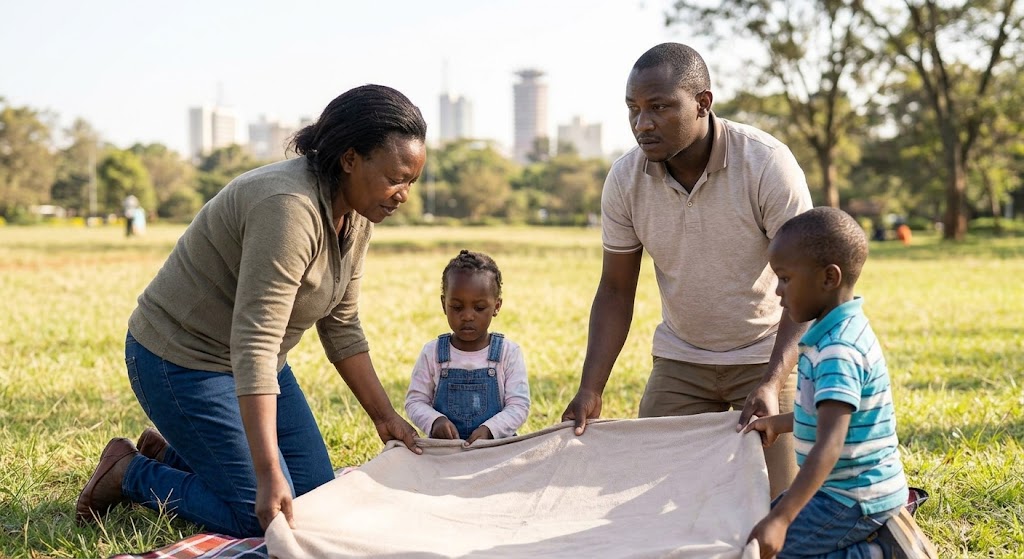
Overcoming this downtime anxiety requires a practical approach. Mental health professionals suggest avoiding a direct jump from a high-pressure office environment into total inactivity.
Instead, planning a few light, structured activities with family during the first few days of the school break helps ease the transition.
Learning how to rest is essential for long-term health.
As families plan around the school closure before the next term begins, balancing daily labour with deliberate relaxation is a skill every adult needs to practise.