How to save for a holiday without derailing your other financial goals
By Dan Kauna, June 11, 2026You have bills, rent, maybe a chama contribution, and somewhere at the back of your mind, a trip you keep promising yourself. The problem isn’t the wanting. It’s figuring out how to save for a holiday without raiding your emergency fund or skipping your investment contributions.
The good news is this is a planning problem, not an income problem.
Ring-fence it from the start
The first move is to treat your travel savings as a separate pot of money, not a vague line at the bottom of your budget. Open a dedicated savings account or a fixed-term wallet on a platform that allows goal-based saving.
Give it a name if the platform allows it. This sounds small, but the psychology behind it is solid.
A 2024 study published in Frontiers in Behavioral Economics, which tracked the real saving behaviour of over 800 people, found that “savings goals might alleviate the problem of self-control by making savings less accessible and thus less tempting for immediate consumption.”
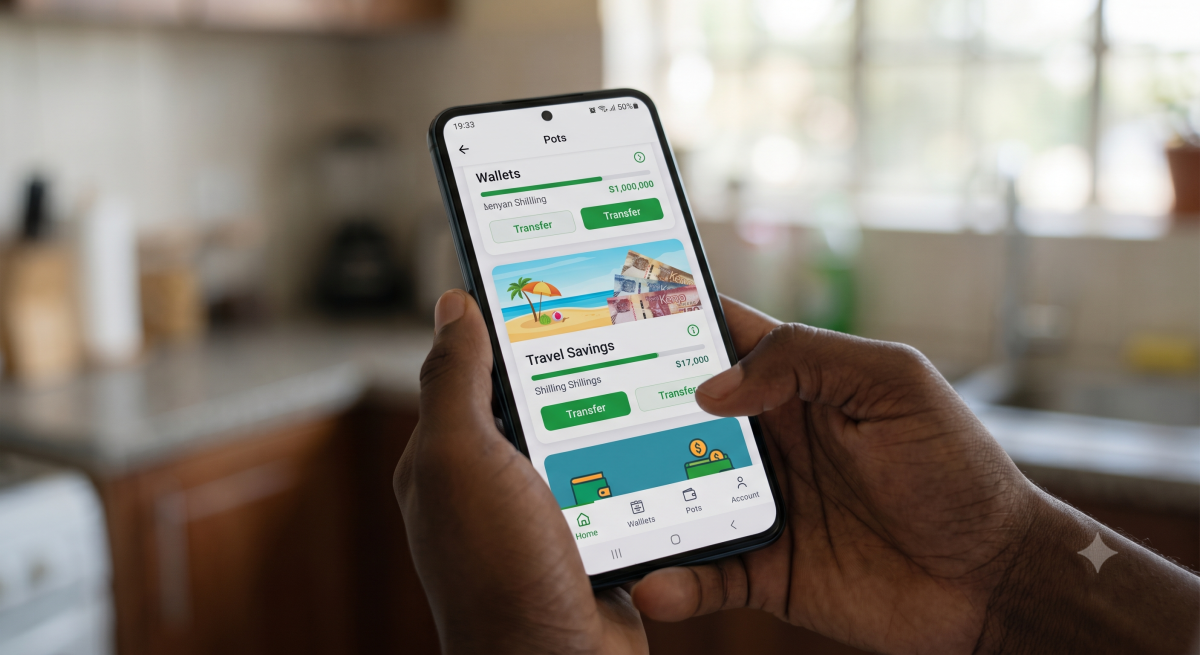
In simple terms, when money has a named purpose sitting in a separate place, you are far less likely to touch it.
Decide on a target figure first. Add up your flights, accommodation, transport, food, and spending money, then divide by the number of months you have before your intended travel date.
That figure is your monthly transfer. Automate it on payday so it moves before you see it.
Make it work with your other goals, not against them
Here is where most people get stuck: they treat the holiday fund as competition with their other financial goals. It does not have to be.
The key is proportional allocation. If your net income allows for discretionary saving, split that portion across goals, not on the biggest one until the others are paused.
A rough guide used by financial planners: essentials take roughly 50 per cent of net income, long-term savings and debt repayment take around 20 per cent, and the remaining 30 per cent covers lifestyle costs, which is where your travel savings sit.
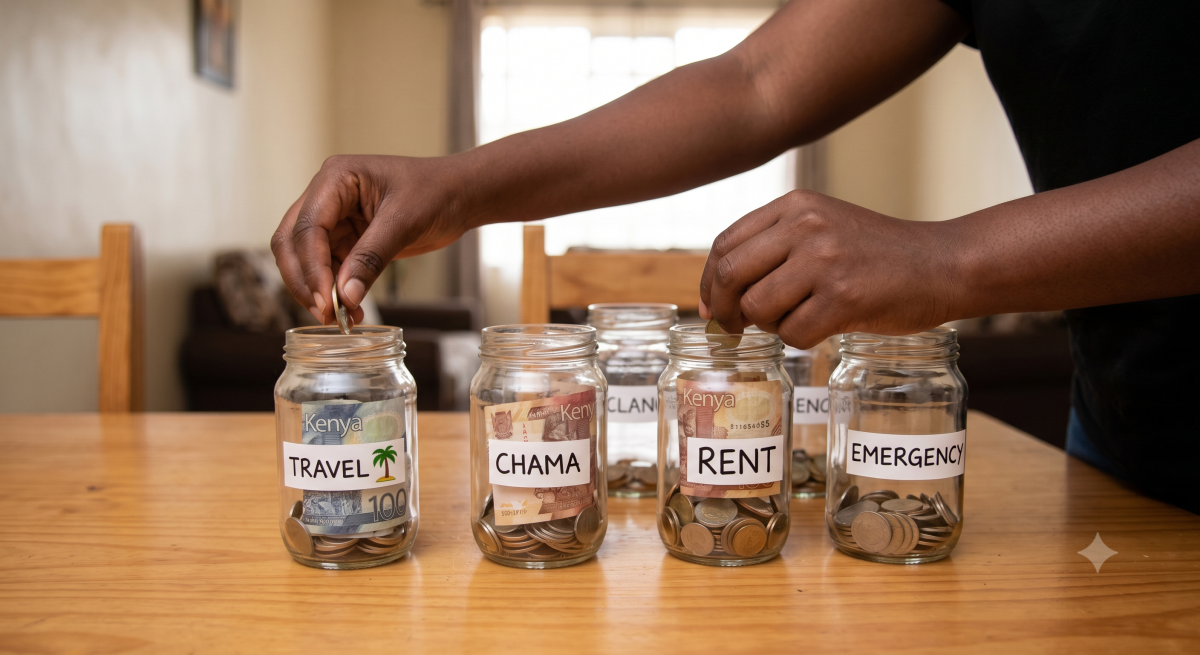
If 30 per cent feels too wide, ring-fence even Sh2,000 to Sh3,000 a month specifically for travel. Over ten months, that is Sh20,000 to Sh30,000 without touching a single emergency fund.
Travel within the region is often overlooked. Uganda, Rwanda, Tanzania, and Zanzibar are within reach on a mid-range budget.
A return Nairobi-Entebbe ticket has regularly come in under Sh15,000 when booked well in advance through budget carriers.
Plan the trip around the budget, not the other way round
Once your savings target is set, plan the trip to fit the money rather than adjusting the money to fit a dream itinerary. Book flights three to four months early.
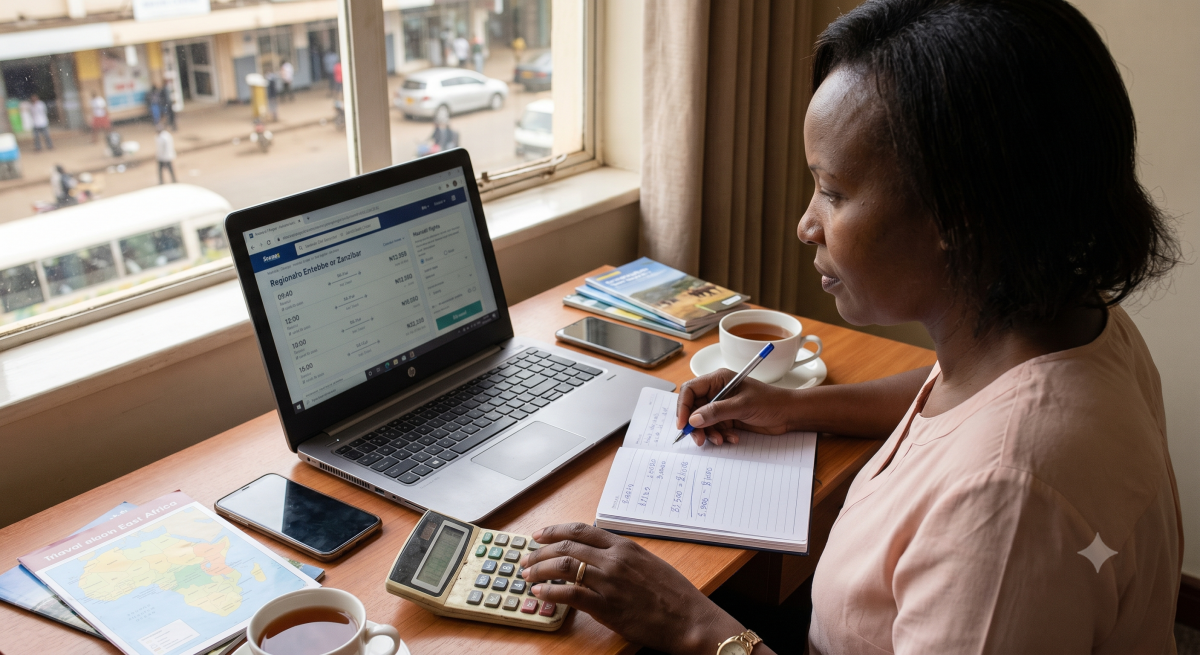
Travel mid-week where possible. Accommodation platforms regularly have early-bird discounts that can cut costs by 20–30 per cent.
The point is to make the trip real without paying for it in financial stress after you land.