Advertisement
How JKIA workers’ strike affects flights and passengers
31st August, 2026 03:54 PM
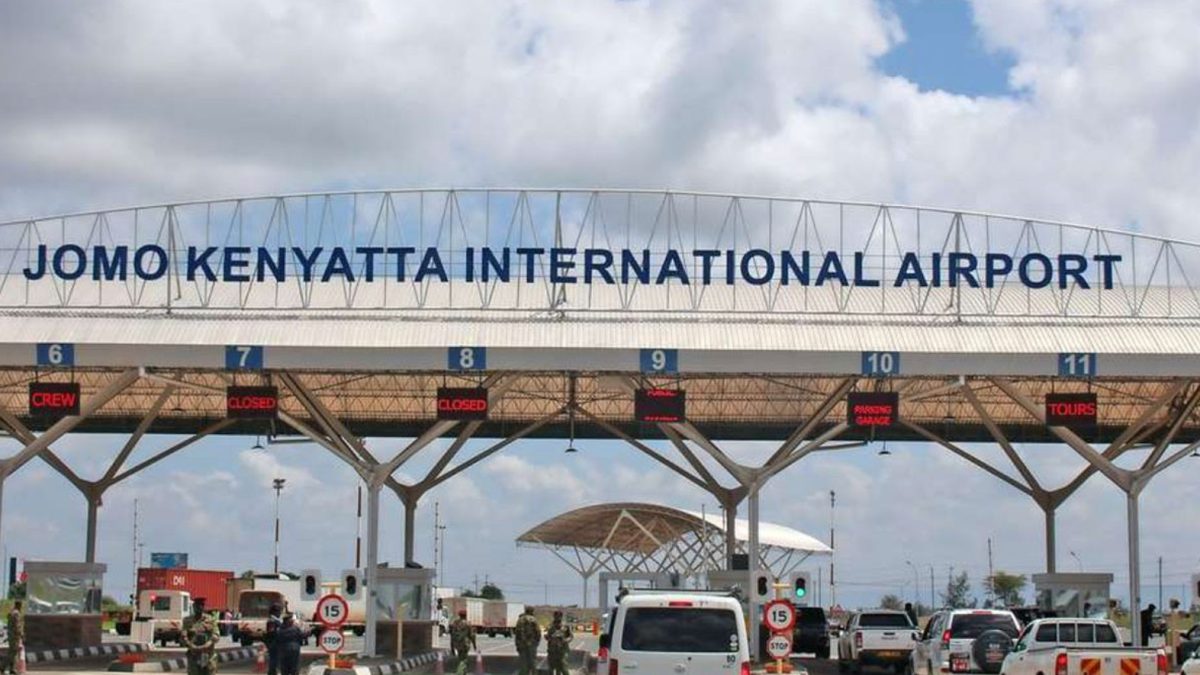
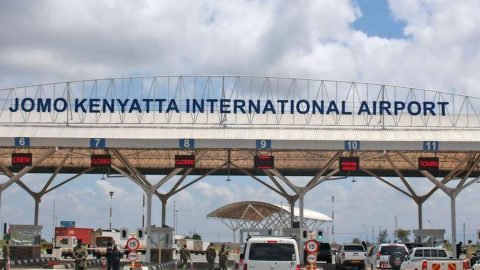
By Monday, August 31, thousands of passengers are still stuck at Jomo Kenyatta International Airport (JKIA), some spending the night on terminal benches and floors.
What began as a go-slow on August 30 has grown into a strike by aviation workers that has stranded travellers, piled up flight backlogs and left many facing costs they did not plan for.
Backlogs, delays and long queues
The strike has slowed check-in, security and air traffic control, building a backlog that has pushed some delays past six hours.
Kenya Airways reported average delays of two to three hours on Sunday, rising beyond six hours by Monday, and has had to cancel and reschedule several flights to manage the growing backlog.
Departure halls remain packed, with long queues at check-in counters, security points and rebooking desks.
Passengers connecting through Nairobi, a key transit hub linking East Africa to Europe, the Middle East and Asia, have reported missed onward flights and disrupted travel plans.
The cost to travellers
Stranded passengers are losing more than time.
Some airlines have arranged hotel accommodation and ground transport for travellers stuck overnight, though the response has been uneven, and not every stranded passenger has automatically received a room.
Kenya Airways has waived rebooking penalties for affected customers, but travellers still face extra costs such as meals, local transport, and, for those on tight schedules, missed onward bookings and connecting transport at their destinations.
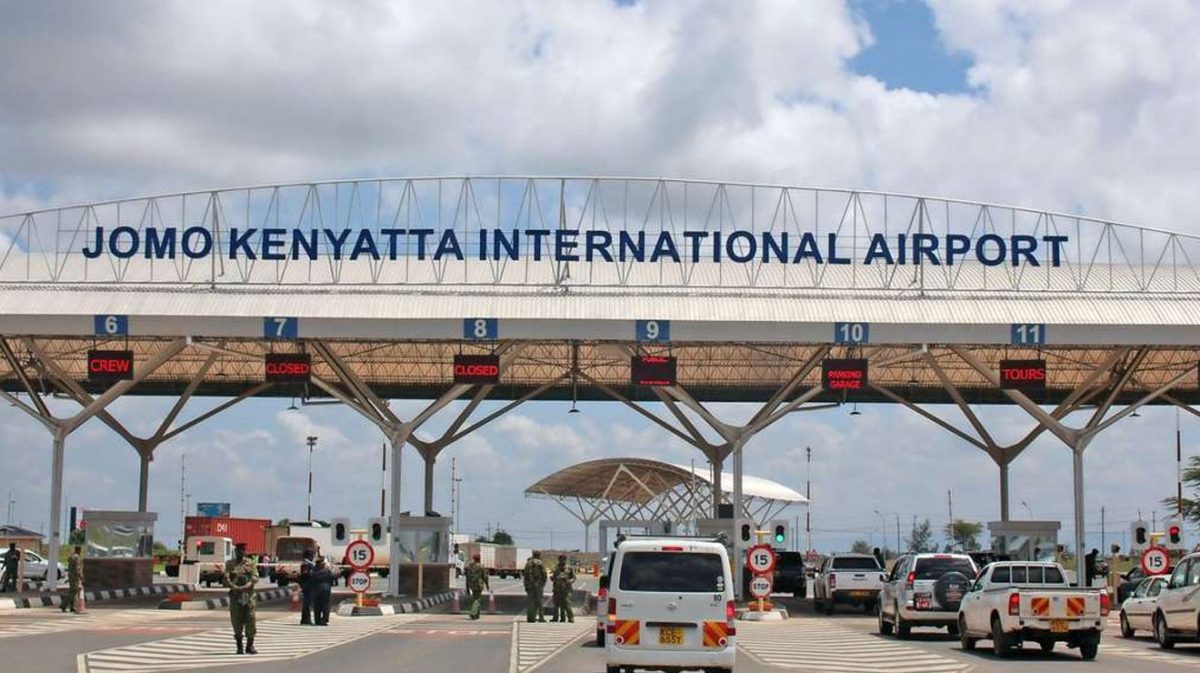
Research points to the wider cost hidden in these delays.
A peer-reviewed study published in Transportation Research Part D found that air traffic control strikes “significantly decrease the horizontal trajectory efficiency of operated flights,” a knock-on effect that adds cost and time for airlines and passengers alike, well beyond the hours lost at the gate.
Passengers miss flights, airlines lose money.
The Kenya Airports Authority (KAA) has advised passengers to confirm flight status with their airline before heading to JKIA and to keep contact details updated for real-time alerts.
No timeline for resolving the dispute has been announced.
Passengers with upcoming flights through JKIA should factor in extra time and stay in close contact with their airlines.