Fewer than 500 left: 5 facts about Kenya’s rare ‘four-eyed’ Hirola antelopes
By Dan Kauna, August 12, 2026When naming Kenya’s wildlife, most people easily point to lions, elephants, rhinos, or common antelopes like impalas and gazelles. However, the Kenya Wildlife Service (KWS) wants citizens to learn about a much rarer creature living in the country’s northern region.
Marking World Hirola Day on August 12, 2026, KWS spotlighted this unique animal to create awareness about its survival.
Here are five shocking facts you should know about the Hirola.
1. It looks like it has four eyes
The animal is widely known as the “four-eyed antelope” because of the distinctive markings beneath its eyes.
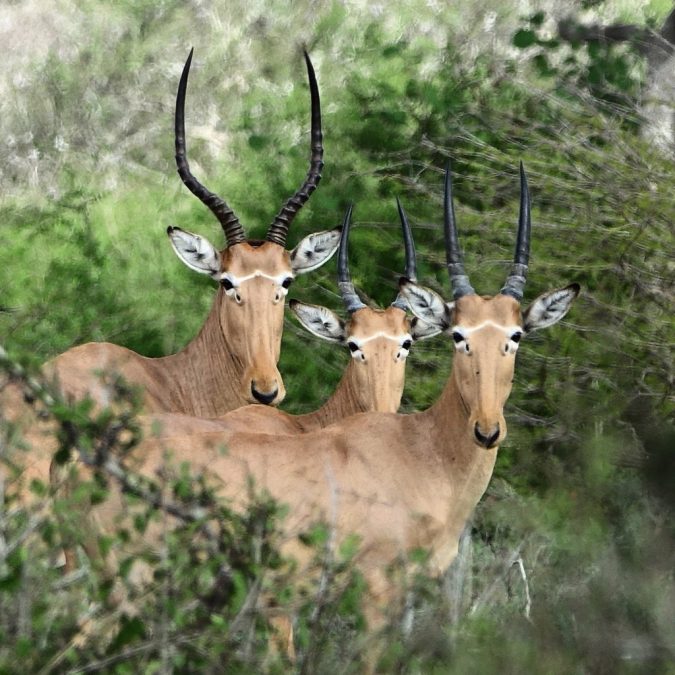
These dark markings are actually enlarged scent glands located right under its eyes, which give the visual illusion that the animal has a second pair of eyes.
2. It lives only in Kenya and Somalia
According to KWS, the Hirola is endemic to Kenya and Somalia, where it inhabits “dry grasslands, open savanna and shrubland.”
Research published in Conservation Biology notes that the species is now “restricted to less than 5 per cent of its historical geographic range” along the border, living mostly in Garissa and Tana River counties.
3. It is the last surviving species in its genus
This animal holds massive biological importance. KWS explained that the Hirola is “the only surviving species in its genus.”
That means if this single species disappears, an entire evolutionary line that has existed for millions of years will be lost forever.
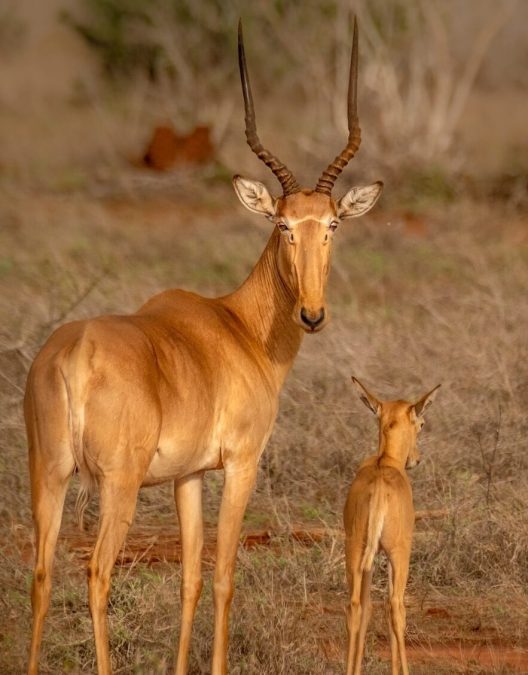
Peer-reviewed research in the Journal of Applied Ecology warned that “the extinction of hirola would be the first of a mammalian genus on the African continent in modern history.”
4. Fewer than 500 remain in the wild
The species is fighting a tough battle for survival. KWS confirmed that the Hirola is “Critically Endangered, with fewer than 500 estimated to remain in the wild.”
Persistent drought in the northern region, loss of grass cover, and competition with domestic livestock for pasture have severely affected its numbers over the years.
5. You can help save it using eCitizen
Saving this rare animal requires direct support from the public. KWS urged citizens to “commit to protecting one of the world’s rarest antelopes and the ecosystems it depends on” by supporting ongoing conservation efforts.
Kenyans who wish to contribute can make donations through the official government portal at kwspay.ecitizen.go.ke/donate to help fund field protection and habitat preservation for the species.