Advertisement
Utumishi Girls’ Academy CCTV horror: Why cameras matter in schools and dormitories
01st June, 2026 09:42 AM
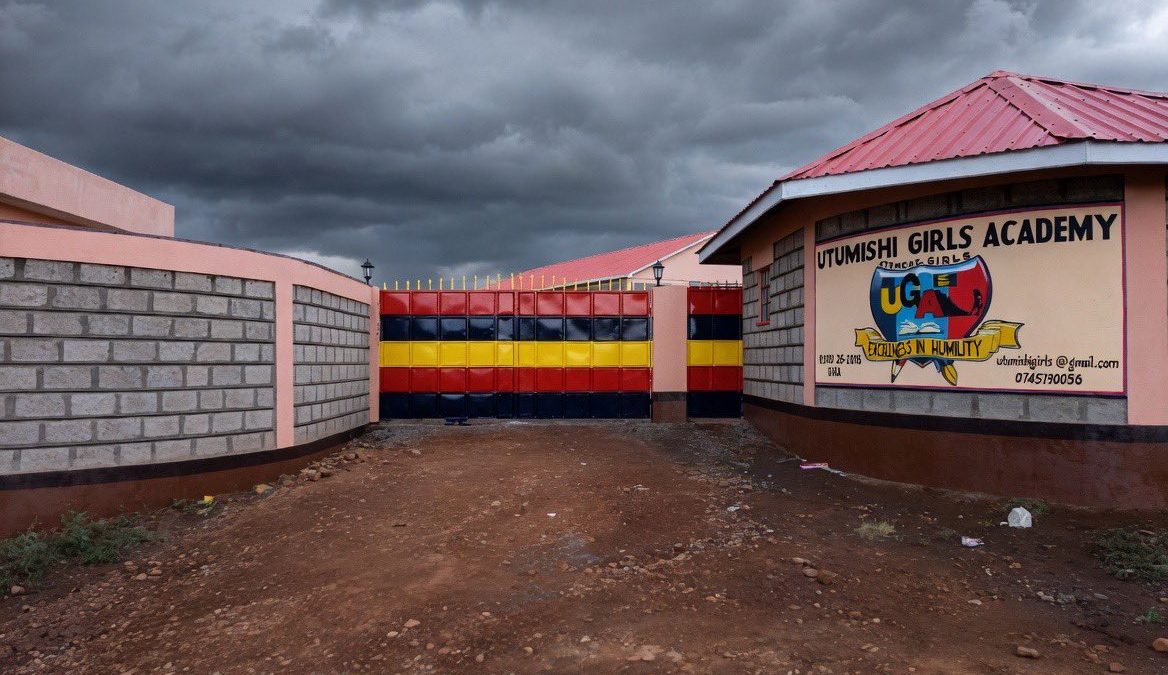
The recent tragedy at Utumishi Girls High School has once again brought school safety into focus. The emergence of CCTV footage from the deadly fire at Utumishi Girls Academy has opened an entirely new and uncomfortable national conversation, one that goes far beyond the horrific loss of 16 young lives.
As investigations continue and details surrounding the dormitory fire emerge, many parents, teachers, and education stakeholders are asking what more can be done to protect learners in boarding schools.
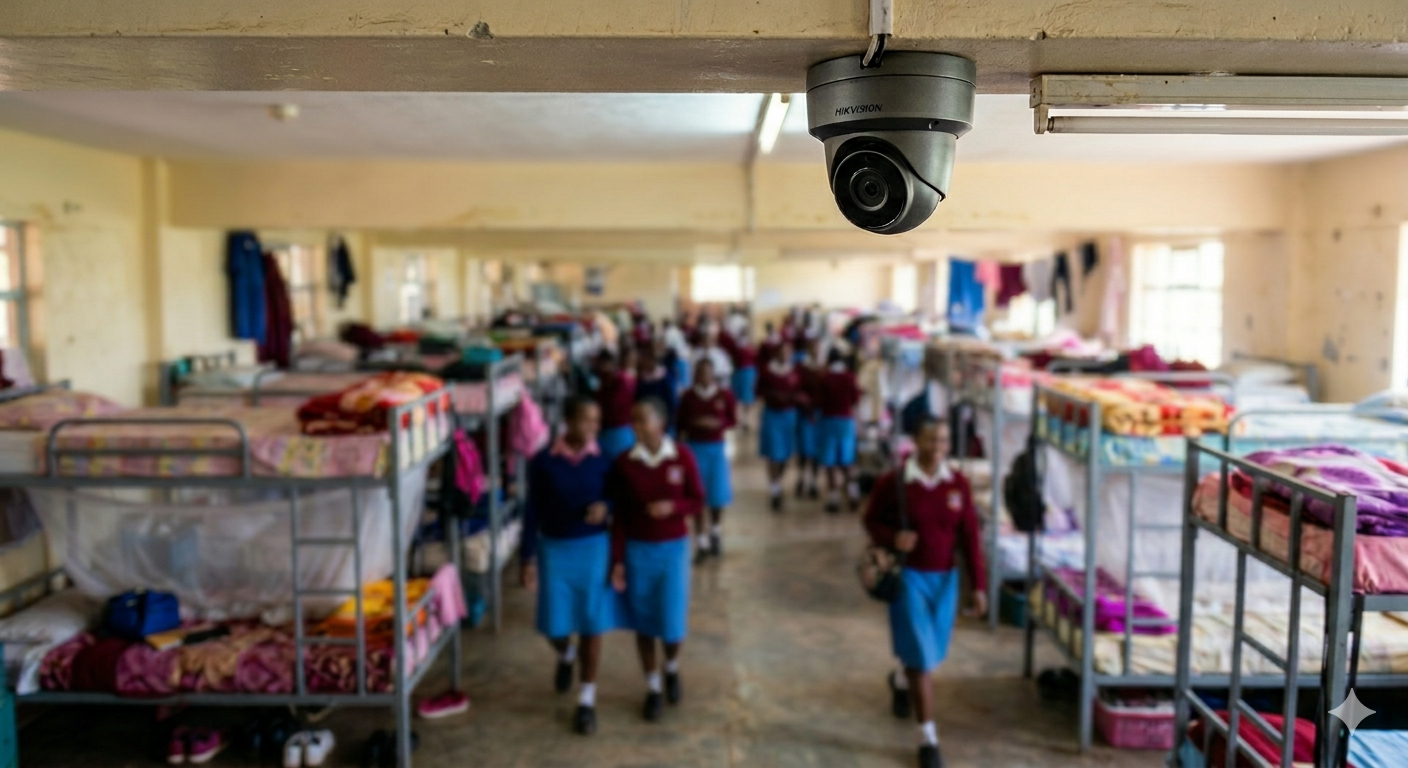
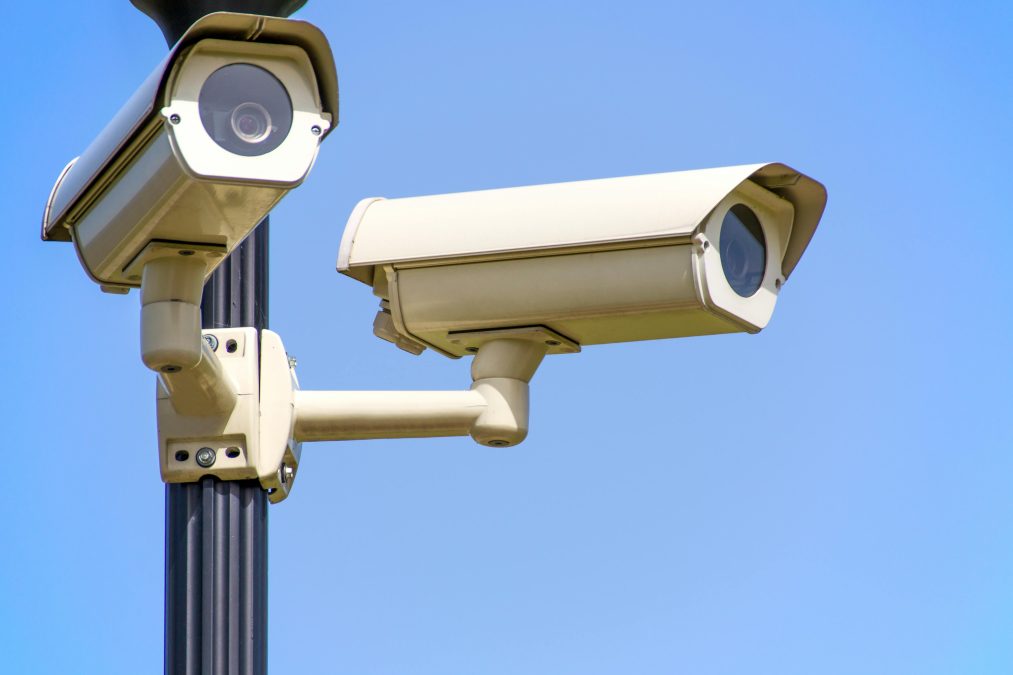
One issue that has gained attention is the role of Closed-Circuit Television (CCTV) cameras in school compounds, particularly around dormitories and other critical areas. While CCTV cameras cannot prevent every incident, they can provide valuable information that helps schools respond quickly and improve safety measures.
Providing clear evidence during investigations
When emergencies occur, confusion and conflicting accounts can make it difficult to establish what happened. CCTV footage can provide a clear timeline of events, helping investigators determine the cause of an incident and identify areas that require improvement.
In situations involving fires, theft, vandalism, or unauthorised access, recorded footage can offer crucial evidence that may otherwise be unavailable.
As security experts often note, “Facts captured on camera can help investigators understand events more accurately and support informed decision-making.”

Enhancing security around dormitories
Dormitories are among the most sensitive areas in boarding schools because they accommodate students for long hours, including at night. CCTV cameras installed in corridors, entrances, and surrounding outdoor spaces can help monitor movement without compromising students’ privacy.
Properly positioned cameras can help school administrators identify security gaps, monitor access points, and detect unusual activities around dormitory buildings. This can be especially important during emergencies when quick information is needed.
The presence of surveillance systems may also discourage acts of vandalism, bullying, and unauthorised entry into restricted areas.
Supporting faster emergency response
One of the biggest benefits of CCTV systems is the ability to provide real-time information during emergencies. Security personnel and school administrators can monitor situations as they develop and coordinate responses more effectively.
For example, if smoke is detected near a building, surveillance footage can help determine the affected area and guide emergency teams to the scene more quickly
Schools can also use CCTV recordings as learning tools when reviewing safety procedures. By studying incidents, administrators can strengthen emergency preparedness plans and identify areas where additional training may be needed.
A tool, not a complete solution
Despite their benefits, CCTV cameras should not be viewed as a standalone solution. Effective school safety requires a combination of measures, including regular fire safety inspections, functioning fire extinguishers, emergency exits, trained staff, student awareness programmes, and adherence to safety regulations.
Experts emphasise that technology works best when combined with strong safety policies and a culture of vigilance within schools.
As conversations continue following the Utumishi Girls incident, the discussion around CCTV cameras highlights the importance of preparedness, accountability, and timely response. While cameras may not stop every emergency, they can provide valuable information that helps schools protect learners and improve safety standards for the future.