Advertisement
How lipa mdogo mdogo systems work to ensure no cheats
30th May, 2026 04:05 PM
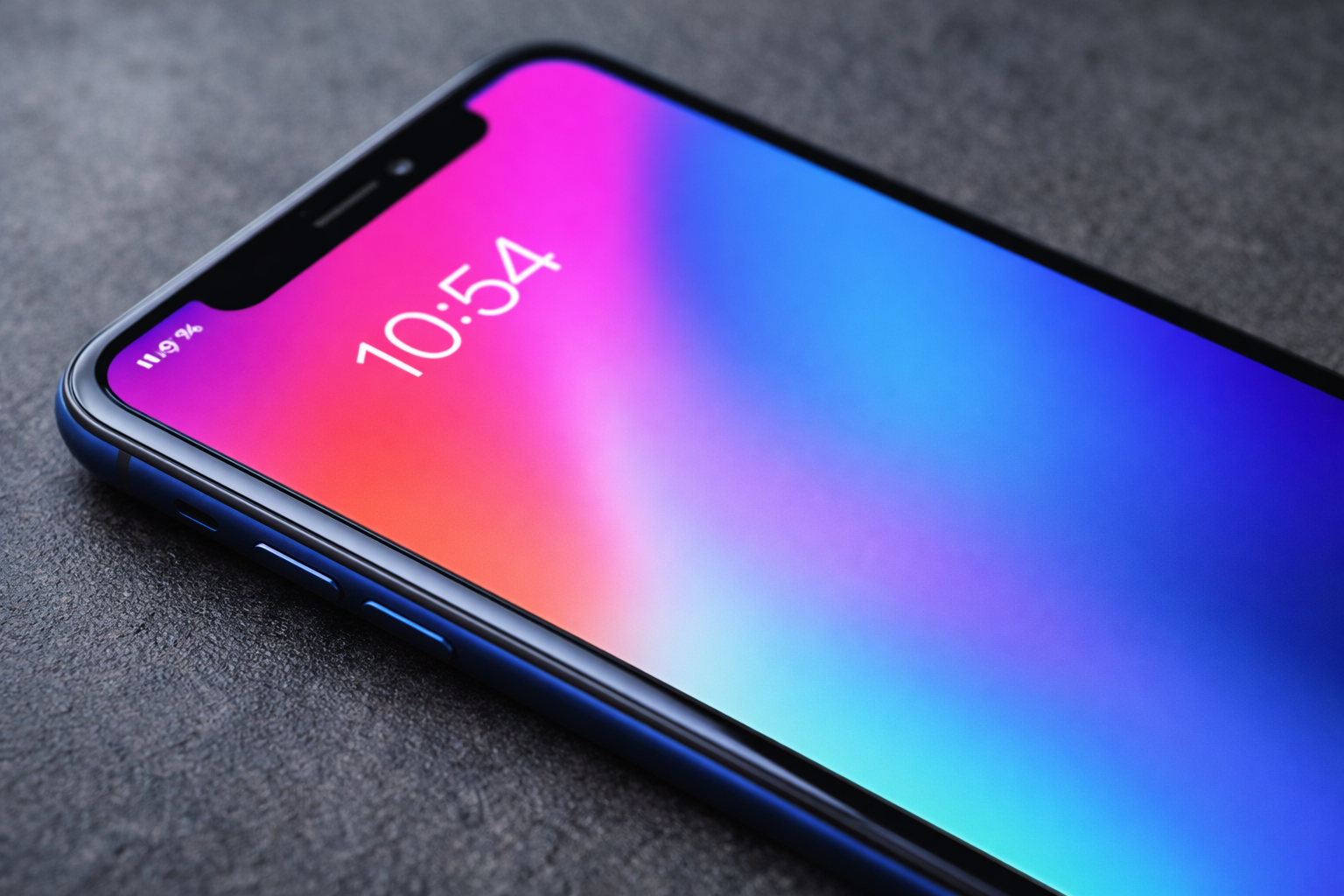
Kenyans, just like their colleagues in other countries, are into instalment-based payment methods when buying items like TVs, phones, laptops, cars, etc.
This model is commonly known as hire purchase or device financing, and in Kenya, one of the most popular examples is the lipa mdogo mdogo programme.
It allows customers to take a smartphone home and pay gradually through daily, weekly, or monthly instalments while continuing to use the device.
The system is built not only around affordability, but also around strict digital controls that ensure repayment compliance and prevent fraud or misuse.
What lipa mdogo mdogo is
Lipa mdogo mdogo is a financing system in which a customer pays a deposit for a smartphone and pays the remaining balance in small instalments over time.
The service is designed to help customers transition to 4G smartphones without paying the full price upfront.
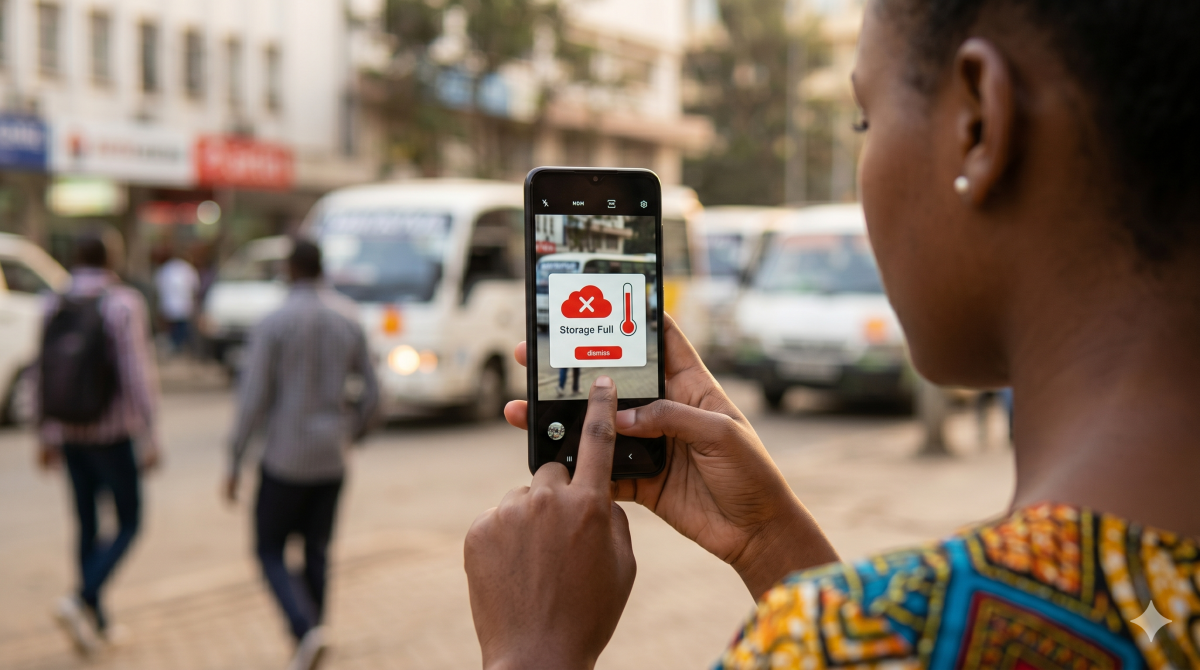
Once approved, the customer signs a credit agreement, and the device is activated under controlled software conditions.
How instalment financing works globally
The same principle is used in many countries, though under different names:
- United States and Europe: “Carrier financing” or “device plans”
- India: “Easy EMI smartphone plans”
- Africa: “Pay-as-you-go” or “hire purchase devices”
Across these systems, the core idea is the same: the device is sold on credit, and the network operator or financing company retains technical control over the handset until full payment is completed.
The role of device locking technology
The key feature that makes systems like lipa mdogo mdogo secure is device-level locking software.
When a phone is issued under financing, it is pre-installed with a management system that is linked to the financing account. This software can restrict core functions if payments are not made.
This means the phone remains physically with the user, but its usability can be restricted until payment is resumed.
How IMEI tracking is used
Every mobile device has a unique identifier called the IMEI (International Mobile Equipment Identity).
This number acts like a digital fingerprint for the phone. In financing systems:
- The IMEI is registered at the point of sale
- It is linked to the customer’s repayment account
- It is stored in the operator’s device management database
If a device is reported stolen or defaulted on, the IMEI can be flagged and used to restrict network access.
This ensures the device cannot simply be resold or reactivated freely on the same network.

Why the MAC address matters less in financing
A MAC address identifies a device’s network hardware, mainly for Wi-Fi connections. While it can be used for tracking in some systems, it is not the primary tool for enforcement of instalments.
Financing systems rely more heavily on:
- IMEI locking (for mobile network control)
- Device management software (for phone functionality control)
- Account-based authentication systems
MAC address randomisation is mainly a privacy feature and is not a reliable enforcement tool in payment systems.
Embedded software and “non-removable” controls
Most instalment phones come with embedded system software that cannot be easily removed by the user.
This software:
- Periodically checks payment status
- Connects the device to a central server
- Updates restrictions automatically if payments are missed
If the system detects non-payment, it can:
- Limit calling or SMS functions
- Block certain apps or full device access
- Display repayment prompts
- Eventually, fully lock the device until arrears are cleared
This is what makes “cheating the system” extremely difficult without altering core firmware, which is illegal and typically voids warranties.
Why is the system hard to cheat
These systems are designed with multiple layers of protection:
1. Network-level control
The telecom operator controls SIM access and can restrict service using IMEI-based blocking.
2. Device-level software control
Pre-installed firmware ensures the phone checks payment status regularly.
3. Account linkage
The device is tied to the customer’s national ID, phone number, and payment profile.
4. Remote enforcement
Even if a SIM card is changed, the device can still communicate its status once it connects to the network.
Together, these layers make it difficult to bypass repayment obligations.